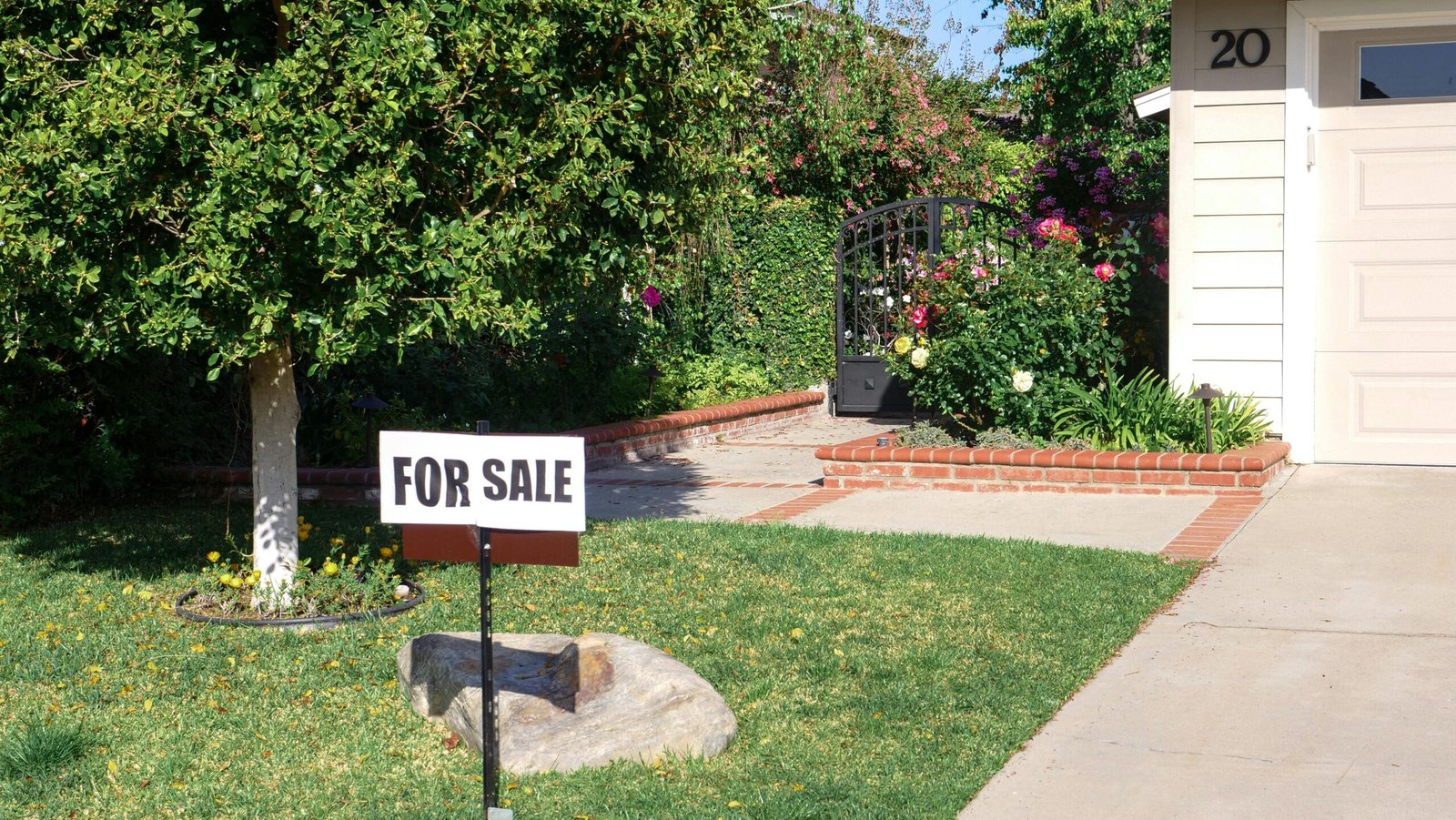
Buying a repossessed property in the UK can be an excellent opportunity to purchase a home below market value. These properties are sold by mortgage lenders after homeowners fail to keep up with repayments. While repossessed homes can offer strong financial benefits, they also come with legal, financial, and condition-related risks. Understanding the full buying process is essential to avoid costly mistakes. This guide explains everything before purchasing a property, while also highlighting how the Rent Guarantee Scheme solutions can help investors.
What Is a Repossessed Property?
A repossessed property is a home taken back by a mortgage lender when the owner fails to keep up with mortgage payments. Repossession usually occurs only after the lender has tried all other repayment solutions with the borrower. It is a last resort to recover money owed rather than a choice made lightly. The process ensures the lender can protect their financial interest while giving the borrower a chance to avoid repossession.
Once repossessed, the lender’s main goal is to recover the outstanding mortgage debt quickly. They are not looking to make a profit but to minimize losses from unpaid loans. Because of this, these properties are often priced competitively to attract buyers quickly, and many investors rely on professional Letting Agency Services to handle tenant management, compliance, and ongoing property care. Sales usually happen through estate agents or public auctions to speed up the process.
How the Repossession Process Works?
Repossession is a serious step taken when mortgage payments are not met. It is designed to recover the lender’s money while following legal procedures. Understanding each stage can help borrowers take timely action to protect their home.
Notice of Default
The process begins when a borrower falls behind on mortgage payments. The lender issues a Notice of Default outlining the arrears and giving the borrower time to resolve the issue.
This stage is the final opportunity for homeowners to negotiate repayment plans and avoid repossession.
Notice of Possession
If arrears remain unresolved, lenders issue a Notice of Possession. This confirms the lender’s intention to repossess the property if payments are not brought up to date. At this critical stage, borrowers and investors should seek urgent legal or financial advice, while landlords can also explore Rental Income Guarantee options to protect cash flow and ensure stable returns even during periods of uncertainty, as repossession becomes highly likely.
Court Order for Repossession
When borrowers fail to vacate the property, lenders apply for a court repossession order.
Courts review whether correct procedures were followed and may allow final repayment arrangements. If approved, the order legally allows the lender to take control of the property.
Physical Repossession
Bailiffs take possession of the property, change locks, and secure it. The lender becomes responsible for basic maintenance until the property is sold. This final stage concludes the repossession process and allows the property to be marketed or auctioned.
How Lenders Sell Repossessed Properties?
Lenders have a legal duty to achieve the best reasonable price for repossessed properties.
They cannot sell homes at unfairly low prices just to speed up the sale.Properties must be openly marketed, and higher offers considered before contracts are exchanged. This ensures fairness for both the borrower and the lender while maximizing recovery of the debt.
Most repossessed properties are sold through estate agents and listed on major property portals. Descriptions often include terms like “sold as seen” or “vacant possession” to inform buyers. Some properties, especially those needing major renovation, are sold at auction for fast completion. Auctions usually attract investors and cash buyers who must complete purchases quickly, often within 28 days.
Where to Find Repossessed Properties?
Finding repossessed properties requires research and quick action.
Knowing the right sources can give buyers an advantage in a competitive market.
- Websites like Rightmove and Zoopla regularly list repossessed homes.
- Look for phrases indicating lender sales or refurbishment needs.
- Setting up alerts helps buyers act quickly when opportunities appear.
- Auction houses such as SDL Auctions and Allsop frequently sell repossessed properties.
- Catalogues include guide prices and legal packs.
- Early preparation is essential due to tight completion timelines.
- Building relationships with local estate agents can provide early access to repossessed properties before public listings.
- Agents prefer buyers who can proceed quickly and confidently.
- Regular communication can help secure opportunities before other buyers.
Advantages of Buying a Repossessed Property
Buying a repossessed property can be a smart way to get value for money. These homes often offer opportunities not available in the regular market.
Below-Market Pricing
Repossessed homes are often priced lower than similar properties, allowing buyers to gain instant equity. Lower prices reduce borrowing needs and provide some protection against market fluctuations. This makes it easier for first-time buyers or investors to enter the property market.
No Property Chain
Repossessed properties are usually chain-free, which reduces delays and uncertainty. Transactions can be faster and more predictable compared to traditional sales. This helps buyers plan moves and finances with greater confidence.
Value-Add Opportunities
Many repossessed homes require renovation or refurbishment. Buyers with renovation experience can increase the property’s value significantly. This is ideal for investors or those looking to customize their home.
Risks and Disadvantages to Consider
Despite the advantages, repossessed properties come with risks that buyers should know.
Being aware of these pitfalls can help avoid costly mistakes.
Sold “As Seen”
Properties are sold “as seen,” so buyers accept all defects present at purchase. Full surveys are essential to avoid unexpected repair costs. Ignoring this can lead to significant unplanned expenses.
Poor Property Condition
Vacant homes may have dampness, vandalism, or neglected maintenance issues. Utilities may be disconnected, affecting mortgage approval and living readiness. Buyers should budget for immediate repairs and reconnections.
Missing Documentation
Planning permissions, building certificates, or guarantees may be absent. Indemnity insurance might be required to cover legal gaps.Proper due diligence is crucial to avoid complications later.
Gazumping Risk
Lenders can accept higher offers until the exchange of contracts. This means buyers may lose deals even at a late stage. Being prepared and acting quickly is essential in competitive markets.
Buying Process Step by Step
Purchasing a repossessed property requires careful planning and quick action. Understanding each step can help buyers avoid mistakes and complete the purchase smoothly.
Viewing and Surveys
Inspect the property thoroughly to check for defects or damage. Estimate repair costs accurately before making any offers.
Making an Offer
Base your offer on local market values, factoring in renovation and risk costs. Act quickly to secure the property, but remain disciplined in your bidding.
Legal Due Diligence
Use solicitors experienced in repossession purchases to handle legal checks.T hey can manage missing documents and other legal risks efficiently.
Exchange and Completion
Repossession purchases often require completion within 28 days. Ensure all finance is arranged and ready before the exchange to avoid delays.
Final Tips for Buyers Getting a Repossessed Property
Buying a repossessed property can be a great opportunity, but it comes with challenges. Being well-prepared and careful can save you time, money, and stress. Here are some essential tips to help you navigate the process successfully.
- Research the local property market thoroughly before making any decisions. Knowing current prices and trends helps you spot bargains and avoid overpaying.
- Always commission a full survey to uncover hidden defects or structural issues. This ensures you make informed choices and avoid unexpected repair costs.
- Budget extra funds for hidden repairs or renovations that may not be immediately obvious.
- Move quickly when you find a suitable property, but remain objective and avoid emotional decisions.
- Use professionals experienced in repossession sales, including solicitors, surveyors, and estate agents.
Frequently Asked Questions
What does it mean when assets are repossessed?
Repossessed assets are items taken back by a lender because the borrower failed to meet payment obligations. This can include homes, cars, or other financed goods and is a legal way for lenders to recover debt.
Is it possible to remove a repo?
A repossession cannot simply be removed from your account at will. It typically remains on your credit record for a set period, usually six years in the UK. In some cases, you might negotiate with the lender if the debt is settled quickly. However, the repossession itself will still appear on your credit history.
How long does a repo stay on your account?
Repossessions usually stay on your credit report for up to six years from the date of default. They continue to impact your credit score during this period, affecting your borrowing ability. Even after the debt is repaid, the record of repossession remains visible. Lenders may consider it when evaluating future loan or mortgage applications.
Can a repo be deleted?
A repossession cannot generally be deleted if it is accurate and legally recorded. Credit reporting agencies are required to keep a truthful record of defaults and repossessions. It may only be removed if it is found to be incorrect or unfairly reported.
Should I pay off a repossession?
Paying off a repossession can reduce the remaining debt and interest owed. It also demonstrates responsibility to lenders and may improve future borrowing prospects. However, paying it off does not automatically remove it from your credit report.
What happens when you avoid repo?
Avoiding a repossession does not prevent the lender from taking legal action. Ignoring the debt may result in court proceedings and additional fees. The lender can still repossess the asset and sell it to recover the outstanding balance.
What are the negative effects of a repo?
A repossession significantly lowers your credit score, making future borrowing harder. It can also lead to increased interest rates and difficulty securing loans or mortgages. Additionally, repossession can cause financial and emotional stress. It may limit options for renting, buying, or obtaining insurance in the future.
What are the stages of repossession?
Repossession usually begins with missed payments and a Notice of Default from the lender. The borrower may have a chance to arrange repayment or negotiate before further action. If arrears continue, a Notice of Possession and then a court order may follow.
Final Thoughts
Buying a repossessed property can offer great value and quick opportunities, but it comes with risks like repairs, legal issues, and missing documents.Careful research, surveys, and professional guidance are essential to make informed decisions and secure a property safely.With the right preparation, you can turn a repossessed property into a smart investment or your ideal home.