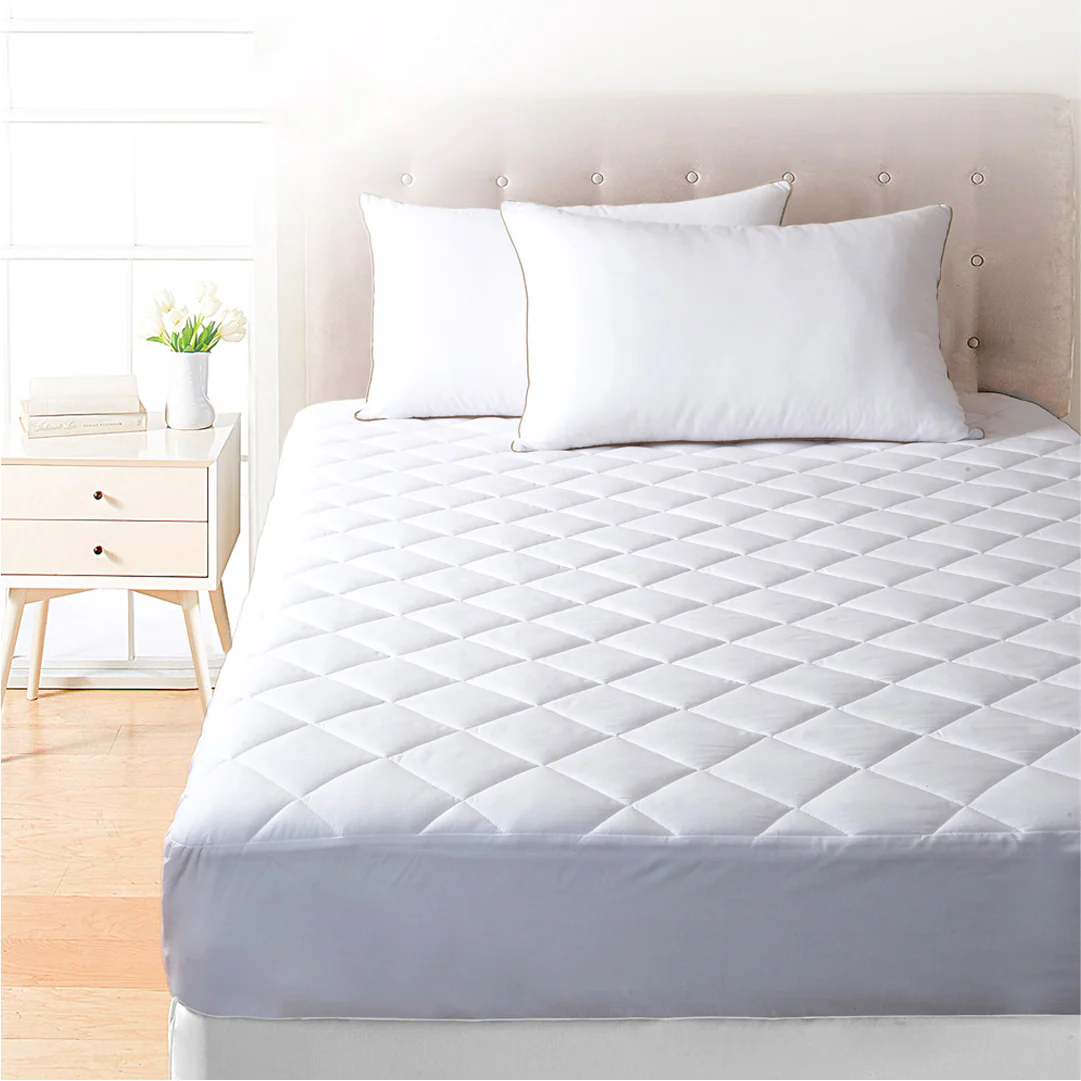
Finding the perfect mattress is a critical step in ensuring a good night’s rest. With the vast array of options available today, making an informed decision can become overwhelming. As a buyer, understanding the key factors to consider can help in the process when you decide to buy mattress.
Understanding Your Sleep Needs
Before selecting a mattress, it is important to assess your specific sleep needs. Consider aspects such as your preferred sleep position, any chronic back or joint pain, and your partner’s needs if sharing a bed. This will help narrow down your choices to mattresses that cater to your unique requirements.
The Importance of Mattress Types
Mattress types are a crucial consideration in the buying process. They come in various forms, such as innerspring, memory foam, latex, and hybrid. Each type has distinctive features that affect comfort and support levels. Memory foam, for instance, offers excellent contouring and pressure relief, while innerspring mattresses are known for their support and breathability.
Firmness Level and Personal Comfort
Firmness is another critical factor determining the suitability of a mattress. The right firmness should offer a balance of comfort and support, preventing pain in sensitive areas while ensuring that the spine remains aligned. It is crucial to consider personal comfort preferences when evaluating firmness levels.
Temperature Regulation
Many people tend to overheat during the night, which can disrupt sleep. Mattresses with good temperature-regulating properties can help maintain a comfortable body temperature throughout the night. Latex and hybrid mattresses often feature materials and designs that facilitate airflow and heat dissipation.
Consideration of Sleeping Positions
Your sleeping position can significantly influence the choice of mattress. Side sleepers typically require a softer mattress to accommodate the hips and shoulders, while back and stomach sleepers often benefit from a firmer surface that supports spinal alignment.
Size Matters
Choosing the right size of mattress is another aspect that should not be overlooked. Consider the dimensions of your bedroom, personal space requirements, and whether the bed will need to accommodate more than one sleeper. Sizes typically range from single to king, each offering different benefits depending on personal circumstances.
Testing Out the Mattress
Whenever possible, testing a mattress before purchase can be extremely beneficial. Many retailers offer in-store trials or risk-free return policies that allow you to sample the mattress at home over a period, ensuring it meets your expectations.
Evaluating Lifespan and Durability
Investing in a mattress that offers longevity and durability is essential. High-quality materials often translate into a longer lifespan for the mattress, meaning better value for your money. It is important to research and read reviews on the long-term satisfaction of any mattress types being considered.
Budget Considerations
While it is tempting to opt for a cheaper mattress, finding a balance between quality and price should be a priority. An investment in a high-quality mattress often results in a better night’s sleep and representation of value over time.
Allergy-friendly Options
For those with allergies, selecting a hypoallergenic mattress can make a significant difference. Materials that resist dust mites and other allergens, such as latex or certain foams, can help provide a healthier sleep environment.
Importance of Warranty and Return Policies
A mattress is a significant purchase, and understanding the warranty and return policy is vital. These policies can provide peace of mind and protection against defects or comfort issues that may arise after purchase.
Impact of Brand Reputation
Brand reputation can often provide insight into the quality and reliability of the mattresses being considered. Researching customer experiences and reviews can aid in identifying trustworthy brands in the market.
Exploring Eco-friendly Options
Many consumers are increasingly considering the environmental impact of their purchases. Eco-friendly mattresses often use sustainable materials and production processes, appealing to those looking to minimise their carbon footprint.
Time to Transition
Once the perfect mattress is selected, time should be allowed for transition. It may take a few weeks for the body to adjust to a new mattress, so patience is important while acclimating to the new sleeping surface.
Conclusion
Selecting the perfect mattress involves consideration of numerous factors, each playing a role in achieving a restful night’s sleep. By prioritising individual needs, budget, and quality, consumers can make informed decisions, ensuring long-term satisfaction from their choice.