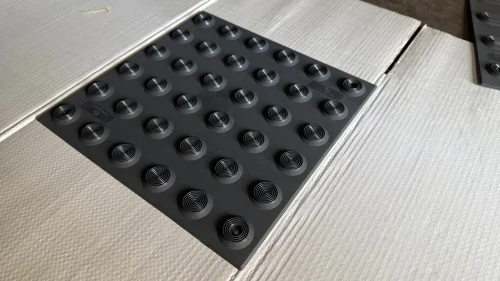
The importance of tactiles in urban planning and architecture is becoming increasingly recognised for facilitating accessibility and enhancing safety for visually impaired individuals. These tactile indicators, which can be found in public spaces such as train stations, shopping centres, and sidewalks, play a crucial role in guiding and alerting pedestrians to various features within their environment. As society progresses towards inclusivity, the implementation of high-quality tactiles becomes essential.
Understanding Tactile Indicators
Tactile indicators are raised surface features installed on walking surfaces to convey information to visually impaired pedestrians about their surroundings. These are typically composed of truncated domes or bars that can be felt underfoot or with a cane. Tactiles serve two primary functions: warning tactile indicators and directional tactile indicators. Warning tactiles alert users to potential hazards such as platform edges at train stations or upcoming intersections. Directional tactiles, on the other hand, guide visually impaired individuals along a safe path of travel.
Material Considerations
High-quality tactiles are constructed using a variety of materials, including rubber, ceramic, stainless steel, and polyurethane. Each material presents its unique benefits and challenges. Rubber tactiles, for instance, offer excellent slip resistance and are often considered a cost-effective solution for installations. Ceramic tactiles are highly durable and visually distinctive, making them attractive for urban design. Stainless steel tactiles are both aesthetically pleasing and highly resistant to wear, making them suitable for heavily trafficked areas. Polyurethane tactiles are valued for their flexibility and weather resistance, ensuring longevity in outdoor settings.
Standards and Compliance
Compliance with local and international standards is imperative for the effectiveness of tactile indicators. In Australia, the Disability Discrimination Act 1992 mandates accessibility requirements, and AS/NZS 1428.4.1:2009 is the standard governing tactile ground surface indicators. This standard outlines specifications pertaining to the design, installation, and necessary maintenance of tactiles to ensure they meet accessibility objectives. Failure to comply with these standards not only poses a safety risk but could also result in legal ramifications for organisations.
Installation Best Practices
Proper installation of tactiles is critical to their functionality. Factors such as appropriate placement, adequate contrast, and secure fixing must be considered. Tactile indicators should be strategically placed to provide maximum utility without obstructing pedestrian flow. They must also exhibit sufficient contrast against the surrounding walking surface to be easily distinguishable by individuals with low vision. The method of fixing, whether adhesive or mechanical, should ensure that the tactiles remain secure and effective over time.
The Role of Tactiles in Modern Infrastructure
As urban environments continue to evolve, the integration of tactile indicators into infrastructure is essential for promoting accessibility and safety. Modern architecture increasingly incorporates tactiles into design visions, ensuring that all individuals, regardless of visual ability, can navigate spaces independently and safely. By adopting high-quality tactiles, urban planners can address both the practical and aesthetic aspects of their projects.
Challenges in Implementation
Despite their benefits, the implementation of tactiles is not without challenges. Budget constraints often pose significant hurdles, particularly for public projects. Additionally, ensuring alignment with existing infrastructure and addressing potential disruption during installation further complicate the process. Nonetheless, these obstacles should not deter the commitment to a more inclusive environment. With thorough planning and strategic resource allocation, these challenges can be overcome.
Benefits Beyond Accessibility
While the primary function of tactile indicators is to aid visually impaired individuals, they also offer a range of additional benefits. Tactiles contribute to overall pedestrian safety by enhancing environmental awareness for all users. They serve as a visual cue for cognitive mapping, helping even those without visual impairments to navigate complex environments. Furthermore, tactiles demonstrate a commitment to social responsibility and inclusivity, showcasing a progressive stance in community planning.
Technological Advances in Tactiles
Advancements in technology have led to innovative developments in the field of tactile indicators. Smart tactiles equipped with sensors or integrated with mobile applications are emerging, offering real-time feedback to users. These technologies have the potential to significantly enhance the navigational experience for visually impaired individuals, providing new opportunities for autonomy and independence.
Future Trends in Tactile Development
The future of tactile indicators is likely to see continued advancements, influenced by both technological innovation and evolving societal needs. There is potential for enhanced customisation with regards to material, design, and functionality, enabling tactiles to better serve diverse user groups. Additionally, as awareness and regulatory requirements around accessibility continue to increase, the demand for high-quality tactiles is expected to grow.
Sustainability Considerations
The environmental impact of materials used in tactile production is increasingly becoming a focus area. Manufacturers are exploring sustainable materials and production processes to minimize ecological footprints. This approach not only aligns with broader environmental goals but also resonates with consumers who are becoming more environmentally conscious.
Conclusion
The adoption of high-quality tactiles is imperative for creating a safer, more accessible world. These indicators are vital for enhancing mobility and independence among visually impaired individuals, ensuring that cities and public spaces are inclusive and equitable. As technology continues to innovate and awareness grows, the role of tactiles in urban planning will only become more significant, shaping the future of accessible infrastructure.
Safety and accessibility should always go hand in hand. By prioritising high-quality tactile installations, planners and designers can significantly contribute to public welfare and inclusivity, reaching beyond compliance to embrace proactive engagement with all audiences.