Sending money internationally used to mean waiting at a bank, paying fees at currency exchange services, waiting who-knows-how-long for the money to arrive, and relying on a paper receipt as proof of payment. People and businesses have also had to support loved ones abroad or pay overseas suppliers using methods that have not changed in banking for a hundred years.
The use of payment apps and mobile wallets means that cross-border payments have now entered a new era of speed, simplicity, transparency, and access. In both the vibrant streets of Nairobi and the corporate towers of New York, innovative digital payment solutions are opening new avenues to facilitate global commerce.
Cross-Border Payment Apps Digital Transformation
Before analyzing the digital transformation of cross-border payments using a payment app and mobile wallets, it’s important to understand the traditional payment channels and their limitations.
- Slow Delivery Times
One of the most significant and most recent changes to borderless payment is the ease of most of the process involved. Unlike the old ways of making cross-border payments that involved lengthy, time-consuming processes, closing a cross payment in today’s world takes significantly less time.
- Intuitive User Interfaces
The design of apps enables users to complete cross-border payment processes quickly, and the modern payment apps offer the most user-friendly interfaces.
- Limited Transparency
Users may not know details like how much money was taken out from their account, or how much money will be received on the other end, making budgeting more difficult.
- Limited Availability
In parts of the world, especially the rural parts, developing countries, there is no access to a bank branch or international money transfer services, which increases the gap in financial accessibility.
All this was a gold mine to digital innovators, specifically mobile payment apps which transformed the way cross-border payments are made.
How Mobile Wallets and Payment Apps Innovate Cross-Border Payments
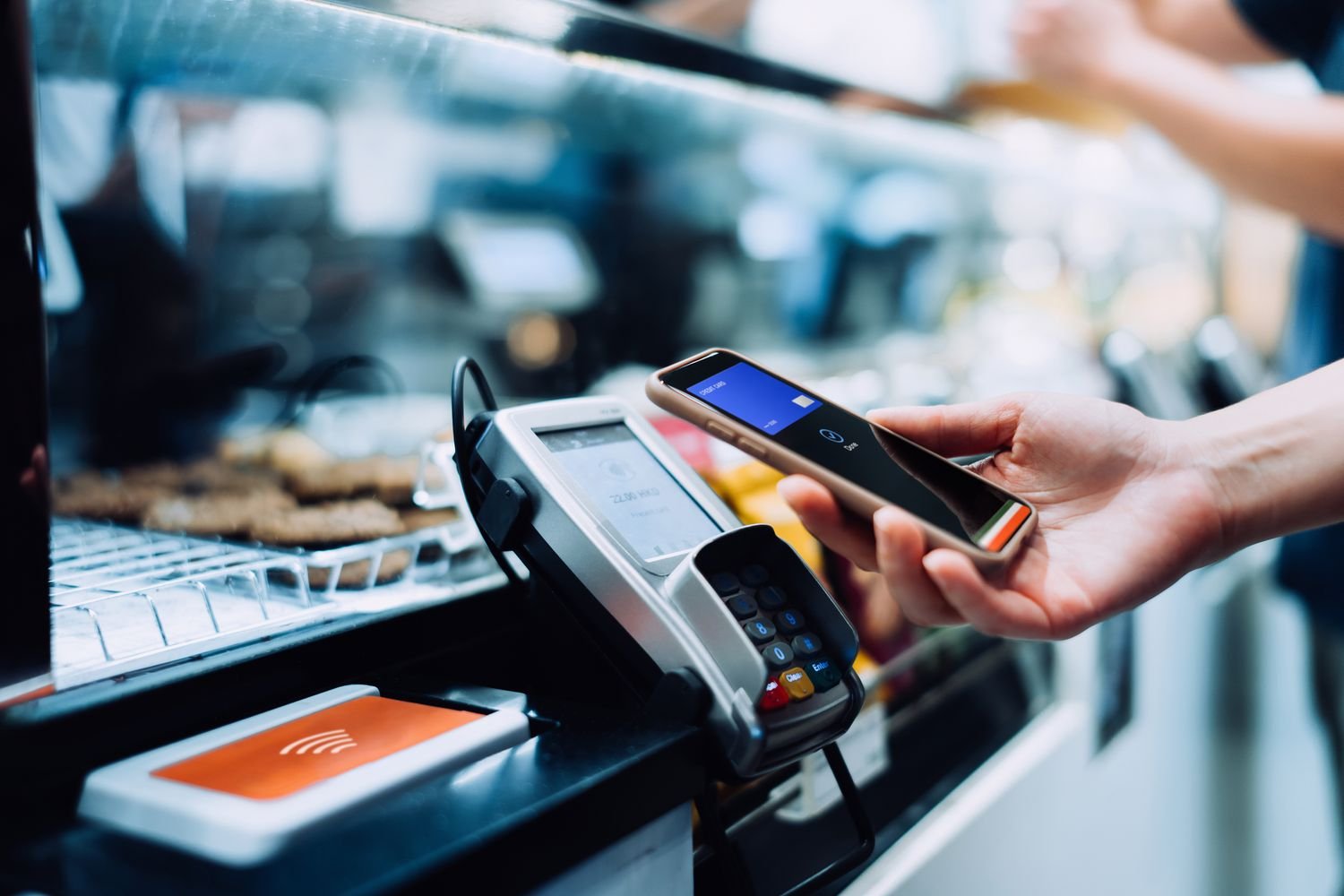
Mobile wallets and payment apps allow users to send, receive, keep, and spend money online in a secure way, and can be accessed on their smartphones. Over the past 10 years, use of mobile wallets and payment apps have increased in areas where access to banking services is limited.
Here’s how they are changing the way we pay internationally:
- Instant and Borderless Payment
Mobile wallets and payment apps can complete transfers in a matter of minutes, unlike wire transfers which can take several days. Users of PayPal Xoom and Wise (previously TransferWise) are able to send payments to the mobile wallet and bank account of the recipient, which is faster than the traditional way.
For expats sending remittances home, such as paying family bills in the Philippines, or sponsoring a sibling’s education in Mexico, that immediacy matters, as recipients do not have to wait days to access the money.
- Lower Costs with Transparency in Pricing
Mobile wallets payment apps tend to have lower fees and more competitive exchange rates:
– Wise offers transparent, pre-verified fees and mid-market exchange rates.
– Revolut allows international transfers in different currencies for free on weekdays without any covert exchange rate change.
When pricing is transparent, other businesses and individuals can predict their transfer costs better.
- Many Benefits Increased Usability and Accessibility
Mobile wallets and payment apps remove the geographical barriers to sending money. Any user in Kenya, India, Brazil, etc, can send money as long as they have a smartphone with an internet connection. M-Pesa in East Africa is an example of a payment app that has given millions, in those sub-Saharan regions that have been excluded from the banking system, the ability to send and receive money.
- No Wait to Send Payments
Mobile payment apps simplify sending money by eliminating the need for long queues and paper forms. to send money, users do not have to wait in long queues to complete transactions, and can do everything electronically. With just a few taps, users can enter the destination, amount, an proposed recipient.
Some wallets have enhanced the process by using QR codes and by converting contact lists into rapid recipient search tools.
- Payment Apps Are More Safe Than Carrying Cash
Payment apps have several built-in security measures as part of their design. Payment apps use encryption, multi-factor authentication, and biometric authentication. Payment apps will be secure than carrying cash and will be more secure than informal money transfers.
Payment Apps Have Real Life Uses
Payment apps have changed how cross-border payments work today. Below are some of the best examples.
M-Pesa
M-Pesa started as a cellular money transfer service in Kenya but has since partnered with other companies to do international money transfers. Now, money can be sent from Europe to Kenya, and the recipients can easily access the funds in their M-Pesa accounts.
Wise
With borderless banking permanently changed the banking world. Wise has live mid-market rates desk, which has offered freelance and corporate clients predictable cost payments, unlike banks.
Paypal/Xoom
Paypal has a sister service called Xoom, which allows users to transfer money from their bank accounts to other bank accounts, to mobile wallets, or to cash. A lot of Mexicans and Filipinos have Xoom as their primary payment service to send money to their families because of how fast money can be sent and received.
Revolut and N26 (Europe)
The N26 and Revolut neobanks use mobile wallets and international money transfer features. Their apps let users send money to overseas accounts and let users store, convert, and transfer money in multiple currencies. These banks attract remote works, professionals, and frequent travelers. Mobile payment apps are becoming the preferred way to send money internationally.
Security and Compliance: Choosing the Right Payment App
As convenient as mobile wallets are, care must be taken to choose a payment app that has secure cross-border payment features.
- Look for Licenses and Regulations
Licensed and regulated payment apps are more secure as regulatory bodies (FinCEN in the U.S, FCA in the U.K, and the central banks in other countries and etc) are accountable to the people and are bound to ensure that consumer funds are lost.
- Look for Payment Apps that use Bio-Metrics and Security Audits
Secure payment apps use Bio-metrics, Security Audits, End-To-End encryption, and Multi Factor Authentication. These features keep unauthorized access and lost funds.###
- Assess Fee Structures and Exchange Rates
The lowest fee payment apps offer the worst exchange rates. Before transferring, always check all fees, including margin rates on currency conversions.
- Know How the Recipient Can Access the Funds
Understand how the recipients can access money. Some payment apps allow the recipients to access the funds on the app immediately, and some only allow this after they link their bank account or partner cash-out sites.
- Analyze the Reviews
Reliability, support responsiveness, and overall satisfaction can be gauged through user reviews and community feedback.
Fintech Evolving and Its Wider Effects
Mobile payment apps are a tiny component of the rapidly evolving global payment ecosystem and the wider fintech revolution:
Integration of Blockchain and Cryptocurrency
Fintech apps now offer blockchain-based transactions. This reduces reliance on correspondent banking and nearly instant settlements at a lower cost. For example, Ripple’s enterprise solutions focus on bank liquidity and cross-border settlements using digital assets.
Use of Open Banking APIs
Fintech innovation through open banking APIs allows direct integration of banks, resulting in automated and streamlined processes. This seamless integration is highly beneficial for businesses with global supply chains.
Financial Inclusion
Payment apps provide previously unbanked populations access to previously unbanked populations. Funds can be sent and received. Cross-border payments can be made. Goods can be paid for. Participation in the global economy becomes possible.
Business Use Cases
Small and medium enterprises (SMEs) can now pay international suppliers and contractors in a cost-effective manner. Without needing to pay through bank channels, services like Payoneer and Square provide mobile wallet facilities designed for businesses. These services are excellent for cross-border invoicing, and payroll business transactions.
Looking Ahead: The Future of Cross-Border Payments
Fintech mobile wallet solutions increasingly shift the focus to mobile wallet linked payment systems. The future holds:
– Speedier payment settlement
– Transparent and predictable fees
– Financial services availability to all (in class, geography, and inclusion)
– Blockchain and digital currencies
– Country and service provider cross-border payment systems
For expats, global workers, businesses, and consumers, mobile payment apps are a means to access financial services quickly and securely.
Cross-border global digital services payment systems are rapidly developing. The future of these systems will be designed with speed, security, simplicity, and all access in mind.