Why saving videos on iPhone is not obvious
Watching a video on X is effortless. Saving it is not.
Unlike photos, there is no built-in download button for most public posts. Many users assume they need a third-party app from the App Store, but that is not always necessary.
If the post is public, the process can be handled directly in Safari. No separate installation. No extra permissions.
That is why searches like “download twitter video iphone” and “how to download video from twitter iphone” keep showing up. People want a straightforward method that works with the device they already have.
Step-by-step: download Twitter video on iPhone
Here is the practical workflow most users follow:
- Open X and find the public video post
- Tap the share button and copy the link
- Open Safari
- Visit sssx.io
- Paste the link into the input field
- Wait for available video qualities to appear
- Select the resolution
- Save the file to your device
This is essentially how you download X video on iPhone without installing any additional apps.
The video is delivered in MP4 format, which works natively on iOS.
Where the video goes after downloading
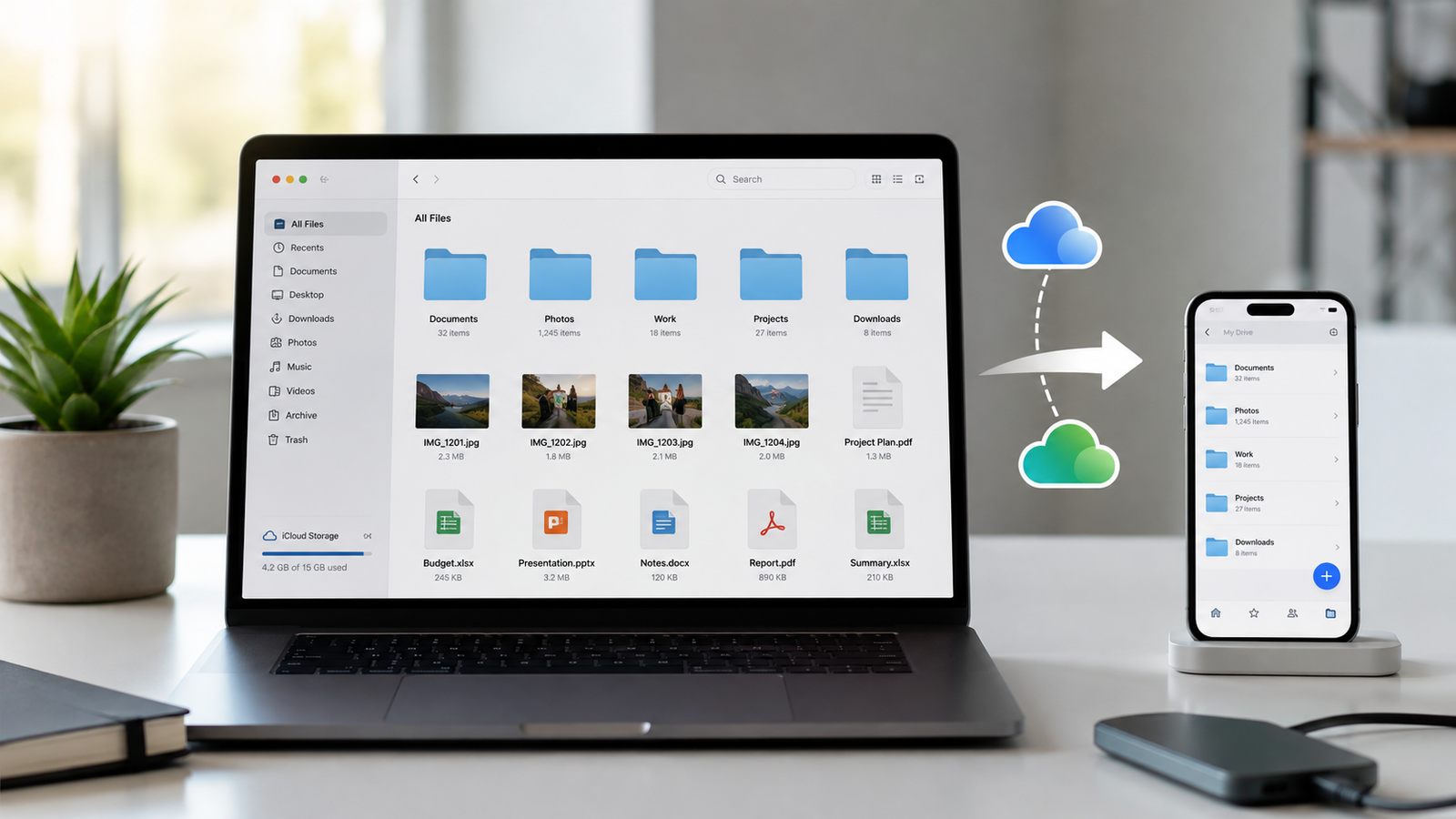
After saving the file, iPhone typically stores it in the Files app. From there, you can:
- Move it to the Photos app
- Share it via AirDrop
- Upload it to iCloud Drive
- Keep it locally for offline viewing
Many users prefer creating a separate folder for saved clips, especially if they regularly archive public content.
Below is a quick overview of storage behavior:
| Location | What Happens |
| Files App | Default save location after download |
| Photos App | Manual move required if you want it in Camera Roll |
| iCloud Drive | Optional cloud backup if enabled |
| Local Storage | Accessible offline anytime |
Why people search for a Twitter video downloader for iPhone
There are practical reasons behind queries like “twitter video downloader iphone” or “save twitter video iphone”.
Some creators download public videos to study structure and pacing. They pause at specific timestamps and observe editing choices.
Others simply want offline access during travel or unstable network conditions.
There are also cases where users archive public posts for documentation or reference. In these situations, using a browser-based method avoids adding extra apps to the device.
Common issues and how to handle them
Sometimes downloads do not work on the first attempt. Here are the most frequent reasons:
- The post is private or restricted
- The link was copied incorrectly
- The video quality is limited by the original upload
- Safari download settings are restricted
If a file does not appear, check that the post is publicly accessible. Private accounts cannot be processed.
Also remember that video quality depends entirely on the source. If the original upload was compressed, the downloaded file will reflect that.
When saving a video actually makes sense
Downloading a Twitter video on iPhone is not something most users do every day. But when the need appears, it is usually practical.
Maybe the post contains an interview you want to rewatch during a flight. Maybe it is a tutorial that could disappear from the timeline. Sometimes it is just a clip worth keeping.
As long as the post is public, the process remains simple. Copy the link, open Safari, paste it into the tool, choose the quality, and save the file. No extra software required.
The important part is understanding that the quality and availability depend on the original upload. The tool simply retrieves what is already publicly accessible.
For many users, that level of simplicity is enough. A short workflow that ends with a playable MP4 stored directly on the device fits naturally into how iPhone users already browse and manage files.