Understanding IVR Technology
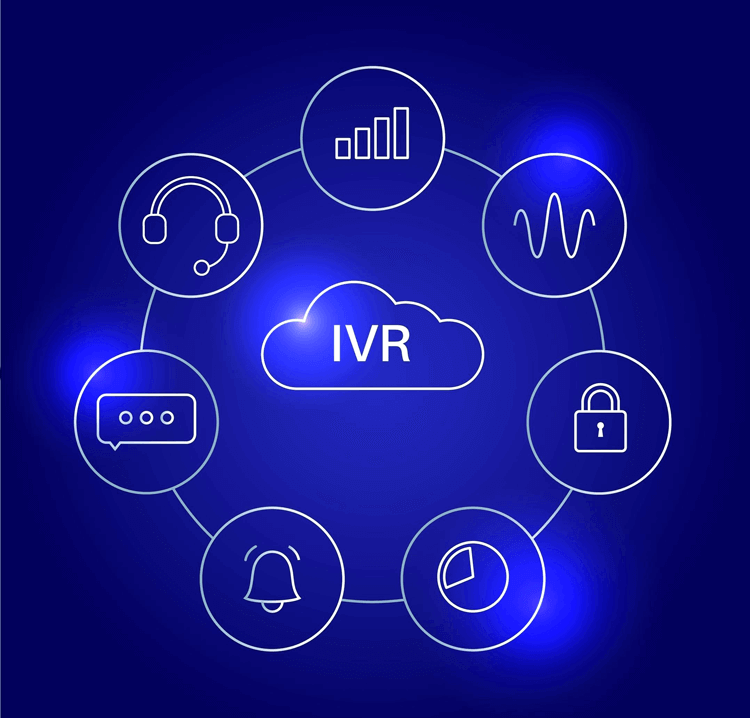
If you’ve ever called a company and heard a voice saying, “Press 1 for sales, press 2 for support,” you’ve already interacted with Interactive Voice Response (IVR). It’s essentially a technology that allows businesses to interact with customers through automated voice menus and keypad inputs. But here’s the twist, modern IVR systems are far more intelligent than those robotic systems we used to hate. Today’s IVR can recognize voice commands, analyze customer intent, and even predict what you need before you say it.
Think of IVR as the digital receptionist of your business. Instead of hiring multiple agents just to answer calls and route them, IVR handles the first layer of communication efficiently. It ensures that customers are directed to the right department without unnecessary delays. This is especially important in industries where customer calls can spike suddenly, like e-commerce, telecom, or banking.
How IVR Works in Modern Systems
Modern IVR systems don’t just rely on simple touch-tone inputs. They are powered by advanced technologies like speech recognition, artificial intelligence, and cloud computing. When a customer calls, the IVR system identifies their number, checks their history, and presents personalized options. For example, instead of generic menus, it might say, “Hi Bilal, press 1 to check your recent order.”
Behind the scenes, IVR integrates with databases and CRM systems, making it incredibly powerful. It’s not just about answering calls anymore—it’s about creating meaningful interactions. This evolution has transformed IVR from a basic routing tool into a strategic asset for improving customer service.
The Role of IVR in Customer Service
First Point of Contact
In customer service, first impressions matter—a lot. IVR acts as the first interaction point between a business and its customers. If designed properly, it sets the tone for the entire customer journey. A smooth, well-structured IVR system can instantly make customers feel valued and understood.
Imagine calling a company and being instantly guided to the right department without confusion. That’s the power of IVR. It eliminates the frustration of being transferred multiple times. Instead, it ensures that customers reach the right agent on the first try, improving satisfaction and reducing call handling time.
Reducing Customer Wait Times
Nobody likes waiting on hold, right? Long wait times are one of the biggest reasons customers get frustrated and abandon calls. IVR significantly reduces this issue by handling simple queries automatically. For example, checking account balances, order status, or appointment schedules can be done without involving a human agent.
By filtering out routine inquiries, IVR frees up human agents to focus on more complex issues. This not only improves efficiency but also enhances the quality of support provided. Customers get faster responses, and agents are less overwhelmed—it’s a win-win situation.
Benefits of IVR for Businesses
Cost Efficiency
Running a customer service team can be expensive. Hiring, training, and managing agents requires significant investment. IVR helps reduce these costs by automating repetitive tasks. Instead of needing a large team to handle basic queries, businesses can rely on IVR to do the heavy lifting.
This doesn’t mean replacing humans entirely—it means using them more strategically. Businesses can allocate their resources to areas that truly require human expertise, such as problem-solving and relationship building.
24/7 Customer Support
Customers today expect instant support, regardless of the time. IVR systems make it possible to offer 24/7 service without increasing operational costs. Whether it’s midnight or a public holiday, customers can still access essential services through IVR.
This round-the-clock availability builds trust and reliability. It shows customers that the business values their time and is always ready to help. In competitive markets, this can be a major differentiator.
IVR and Customer Experience
Personalization Through IVR
Modern customers don’t want generic experiences—they want personalized interactions. IVR systems can deliver exactly that by leveraging customer data. By integrating with CRM systems, IVR can greet customers by name, recall past interactions, and offer tailored solutions.
For example, if a customer recently placed an order, the IVR can prioritize options related to that order. This level of personalization makes the interaction feel more human, even though it’s automated.
Faster Query Resolution
Speed is everything in customer service. The faster you solve a problem, the happier your customer will be. IVR accelerates this process by directing customers to the right resources instantly.
Instead of navigating through multiple departments, customers can resolve their issues quickly. This reduces frustration and increases overall satisfaction. It’s like having a fast lane in a busy supermarket—everyone prefers it.
Integration with CRM Systems
What is CRM in Customer Service
Customer Relationship Management (CRM) is the backbone of modern customer service. It stores customer data, tracks interactions, and helps businesses understand customer behavior. Without CRM, providing personalized service becomes almost impossible.
CRM systems act as a central hub where all customer information is stored. This includes purchase history, support tickets, preferences, and more. It enables businesses to deliver consistent and informed support.
IVR + CRM Synergy
When IVR is integrated with CRM, the results are powerful. The IVR system can access customer data in real-time and provide context-aware responses. This means customers don’t have to repeat their information multiple times—a common frustration in traditional systems.
For instance, if a customer calls about a previous complaint, the IVR can automatically route them to the same agent or department. This continuity improves the overall experience and builds stronger customer relationships.
Importance of Omnichannel Solutions
What is Omnichannel Communication
Omnichannel communication means providing a seamless experience across multiple channels—phone, email, chat, social media, and more. Customers can switch between channels without losing context.
Think of it like watching a movie on different devices—you start on your phone, continue on your laptop, and finish on your TV. The experience remains consistent. That’s exactly what omnichannel customer service aims to achieve.
Why Businesses Need It Today
Today’s customers are everywhere. They might start a conversation on WhatsApp, continue it via email, and finish it with a phone call. If your system can’t handle this transition smoothly, you risk losing them.
An omnichannel approach ensures that all interactions are connected. It eliminates silos and provides a unified view of the customer journey. This leads to better decision-making and improved customer satisfaction.
IVR in Omnichannel Customer Service
Seamless Customer Journey
IVR plays a crucial role in omnichannel strategies by acting as a bridge between different communication channels. It ensures that voice interactions are integrated with other channels like chat and email.
For example, a customer can start a query online and continue it over a phone call without repeating details. IVR retrieves the existing information and maintains continuity.
Unified Customer Data
With IVR integrated into an omnichannel system, all customer data is centralized. This allows businesses to track interactions across channels and provide consistent support.
Unified data also enables better analytics. Businesses can identify patterns, predict customer needs, and improve their services accordingly.
Odigo and Smart Contact Center Solutions
Overview of Odigo Platform
Odigo is a powerful solution designed specifically for contact center management. It enables businesses to manage all customer interactions from a single interface. This unified approach simplifies operations and improves efficiency.
Instead of juggling multiple systems, businesses can handle calls, emails, chats, and social media interactions in one place. This not only saves time but also ensures consistency in customer service.
Key Features of Odigo
Odigo offers a range of features that enhance customer service:
| Feature | Description |
| Unified Interface | Manage all channels in one dashboard |
| AI Integration | Smart routing and automation |
| Real-Time Analytics | Monitor performance and customer behavior |
| Scalability | Adapt to growing business needs |
These features make Odigo a strong choice for businesses looking to improve their customer service through technology.
Challenges of Traditional IVR
Customer Frustration Issues
Let’s be honest—traditional IVR systems had a bad reputation. Long menus, confusing options, and robotic voices often frustrated customers. Many people preferred speaking directly to an agent rather than navigating through endless options.
This frustration often led to call abandonment and negative customer experiences. Businesses realized that something needed to change.
How Modern IVR Solves Them
Modern IVR systems address these issues by being more intuitive and user-friendly. They use natural language processing to understand customer queries and provide relevant responses.
Instead of forcing customers to follow rigid menus, modern IVR allows them to speak naturally. This makes interactions smoother and more efficient, significantly improving customer satisfaction.
Future of IVR in Customer Service
AI-Powered IVR Systems
The future of IVR lies in artificial intelligence. AI-powered IVR systems can analyze customer behavior, predict needs, and provide proactive support. They can even detect emotions and adjust responses accordingly.
This level of intelligence transforms IVR into a truly smart assistant. It’s no longer just a tool—it’s a strategic asset for enhancing customer experience.
Voice Assistants and Automation
Voice assistants like Siri and Alexa have already changed how we interact with technology. IVR systems are evolving in a similar direction. Customers can now have natural conversations with IVR systems, making the experience more engaging.
Automation will continue to play a key role in customer service. Businesses that embrace these advancements will stay ahead of the competition.
Conclusion
IVR is no longer just a call-routing tool—it’s a powerful component of modern customer service. When combined with CRM systems and omnichannel strategies, it transforms the way businesses interact with customers. It reduces costs, improves efficiency, and enhances customer satisfaction.
Solutions like Odigo take this a step further by offering a unified platform for managing all customer interactions. In today’s fast-paced digital world, businesses that invest in smart IVR and omnichannel solutions will not only survive but thrive.
FAQs
1. What is IVR in customer service?
IVR (Interactive Voice Response) is a technology that allows automated interaction with customers through voice or keypad inputs, helping route calls and resolve queries efficiently.
2. How does IVR improve customer satisfaction?
IVR reduces wait times, provides instant responses, and ensures customers reach the right department quickly, improving overall experience.
3. Can IVR work without CRM integration?
Yes, but integrating IVR with CRM significantly enhances personalization and efficiency by using customer data in real-time.
4. What is an omnichannel customer service solution?
It’s a system that integrates multiple communication channels into one seamless experience, allowing customers to switch channels without losing context.
5. Is IVR suitable for small businesses?
Absolutely. Modern cloud-based IVR systems are scalable and cost-effective, making them accessible for businesses of all sizes.