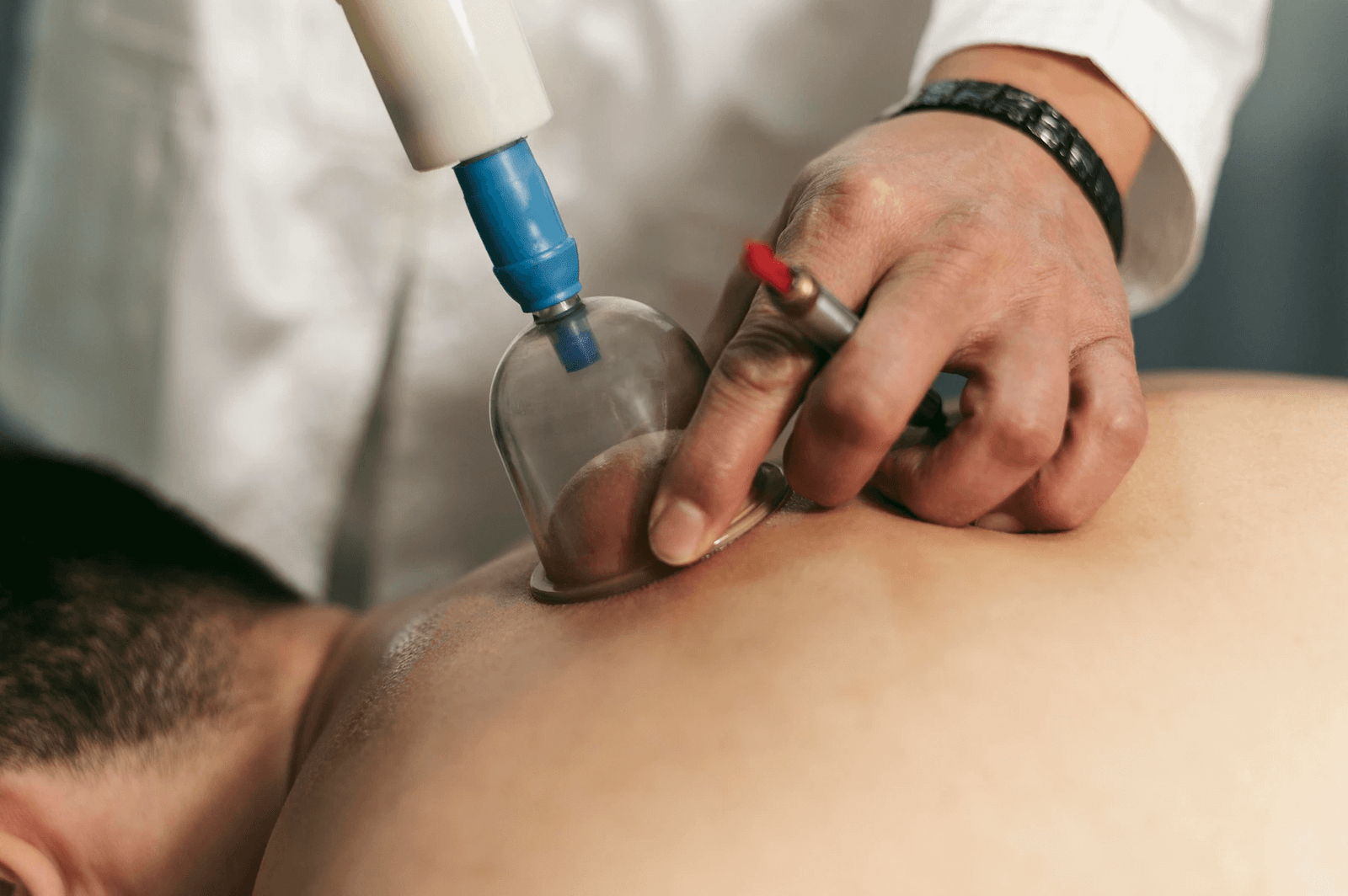
Hijama, a traditional therapeutic practice, has gained significant attention in contemporary health and wellness communities. As interest grows, many seek educational courses to learn its techniques and benefits. Sydney, known for its vibrant educational landscape, offers excellent opportunities for those keen to enrol in a Hijama course in Sydney. This guide provides a comprehensive look into what such a course entails.
What is Hijama?
Hijama, also known as cupping therapy, involves creating suction on the skin to promote healing and has been used for centuries in various cultures. It is believed to aid in detoxification, stimulate blood flow, and alleviate pain. Though rooted in ancient practices, modern-day Hijama continues to evolve, integrating traditional wisdom with contemporary techniques.
Why Opt for a Course in Hijama?
Enrolling in a Hijama course equips participants with the knowledge and skills to administer the therapy safely and effectively. These courses cater to beginners, those looking to expand their existing therapeutic practice, and individuals interested in exploring holistic health methods.
The Structure of a Typical Hijama Course
A typical Hijama course includes theoretical knowledge and hands-on training. Participants learn about the history and principles of Hijama, the anatomy involved, and various techniques used in cupping. Practical sessions allow them to apply these techniques under the supervision of experienced practitioners.
Key Components of the Hijama Curriculum
The curriculum usually covers the following areas:
1. Historical Context
Understanding the origins and historical significance of Hijama lays the foundation for comprehensive learning.
2. Anatomy and Physiology
This component helps learners understand the human body’s structure and how Hijama influences physical health.
3. Safety and Hygiene Practices
Ensuring safety and hygiene is a crucial aspect of the training, emphasising sterile equipment use and skin preparation.
4. Practical Application
During practical sessions, trainees have the opportunity to practice cupping techniques and gain confidence in their application.
Choosing the Right Hijama Course in Sydney
When selecting a Hijama course, consider the institution’s reputation, the qualifications of the instructors, and the comprehensiveness of the curriculum. Alchemist Remedial Clinic in Sydney is renowned for its extensive courses taught by experienced practitioners.
Benefits of Learning Hijama
Learning Hijama can enhance one’s therapeutic repertoire, providing new tools for improving patient wellness. Practitioners can help mitigate ailments such as migraines, muscular pain, and anxiety, thereby enriching their practice and better serving clients.
The Impact of Hijama on Wellbeing
Many individuals report a range of benefits from Hijama, such as improved circulation, enhanced immune function, and pain relief. It offers a holistic approach to health, addressing both physical and emotional well-being.
Continuing Education in Hijama
For those committed to mastering Hijama, ongoing education is critical. Participating in workshops and advanced courses ensures practitioners stay updated with the latest developments and techniques in the field.
Integrating Hijama Into Your Practice
Integrating Hijama into an existing health practice can be advantageous. It diversifies the services offered and attracts clients seeking holistic health solutions. Furthermore, it aligns with the growing trend towards natural and non-invasive therapeutics.
Future Prospects in Hijama Practice
The demand for skilled Hijama practitioners is on the rise as awareness and appreciation for alternative therapies grow. Those certified in Hijama have opportunities in wellness centres, spas, and private practices.
Conclusion
Pursuing a Hijama course in Sydney not only equips individuals with valuable therapeutic skills but also provides a path to a fulfilling career in holistic health. With the right training, practitioners can unlock the healing power of Hijama, contributing positively to the wellness of their clients and communities.