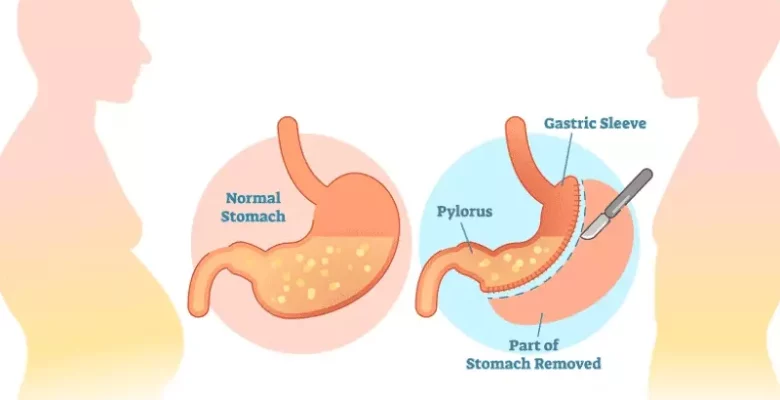
The prevalence of obesity in Australia has seen a significant rise, and with it, the demand for effective weight loss solutions has increased as well. One of the most impactful interventions available today is bariatric surgery in Sydney. This transformative procedure has proven effective in helping individuals achieve substantial and sustained weight loss. This article explores the various aspects of bariatric surgery, providing a comprehensive guide for those considering this life-changing journey.
What is Bariatric Surgery?
Bariatric surgery encompasses a range of surgical procedures aimed at facilitating weight loss by altering the digestive system. This is often the last resort for individuals who have attempted other weight loss methods without success. The surgery helps to limit the intake of food and the absorption of calories, leading to weight reduction and improved overall health.
Types of Bariatric Surgery
There are several types of bariatric surgery available in Sydney, each designed to meet different needs and medical conditions. The most common procedures include gastric bypass, sleeve gastrectomy, and adjustable gastric banding. Each procedure has its unique method and benefits, and the choice of surgery is tailored to an individual’s health profile and weight loss goals.
Gastric Bypass Surgery
This procedure, also known as Roux-en-Y gastric bypass, involves creating a small pouch at the top of the stomach and connecting it directly to the small intestine. This reduces the stomach size and bypasses a portion of the digestive tract, facilitating significant weight loss and improvement in obesity-related conditions.
Sleeve Gastrectomy
Sleeve gastrectomy involves removing a portion of the stomach, resulting in a sleeve or tube-like structure. This limits food intake and suppresses hunger, encouraging weight loss.
Adjustable Gastric Banding
This involves placing an adjustable band around the upper part of the stomach to create a small pouch. The band can be tightened or loosened over time to control the amount of food that can be consumed, leading to gradual weight loss.
The Benefits of Bariatric Surgery
Bariatric surgery not only aids in substantial weight loss but also contributes to overall health improvements. Patients often experience a reduction in obesity-related health conditions such as type 2 diabetes, hypertension, and sleep apnea. Furthermore, the surgery can lead to enhanced mobility, psychological well-being, and quality of life.
Preparing for Bariatric Surgery
Successful bariatric surgery requires thorough preparation. Prospective patients must undergo a series of medical evaluations, nutritional counselling, and psychological assessments to ensure they are suitable candidates for surgery. It is also essential to commit to lifestyle changes post-surgery, including dietary adjustments and regular physical activity.
The Surgical Process
The surgery typically involves a laparoscopic technique, where small incisions are made in the abdomen. This minimally invasive approach reduces recovery time and lowers the risk of complications. The duration of the surgery varies depending on the type of procedure chosen.
Post-Surgery Care and Recovery
Recovery from bariatric surgery involves gradual dietary progression and adherence to prescribed nutritional guidelines. Patients start with a liquid diet immediately post-surgery and slowly transition to solid foods as advised by their healthcare team. Regular follow-ups are crucial to monitor weight loss progress and address any concerns or complications.
Potential Risks and Considerations
As with any surgical procedure, bariatric surgery carries potential risks and complications. These may include infection, bleeding, and nutrient deficiencies. Therefore, it is vital for patients to work closely with their healthcare providers to mitigate these risks through regular monitoring and nutrient supplementation.
Finding the Right Specialist in Sydney
Choosing a qualified and experienced bariatric surgeon is crucial for a successful outcome. In Sydney, individuals can find top-tier specialists who offer comprehensive care, from initial consultation through post-operative support. It is important to research various options and seek recommendations to ensure optimal care.
Conclusion
For many individuals struggling with obesity, bariatric surgery in Sydney offers a pathway to improved health and renewed life quality. By understanding the surgical options, benefits, risks, and the importance of lifestyle changes, prospective patients can make informed decisions and embark on their journey towards better health with confidence.