Disclaimer: This article is for informational purposes only and is not a substitute for personalised medical advice. Always follow the guidance of your qualified surgeon or healthcare provider.
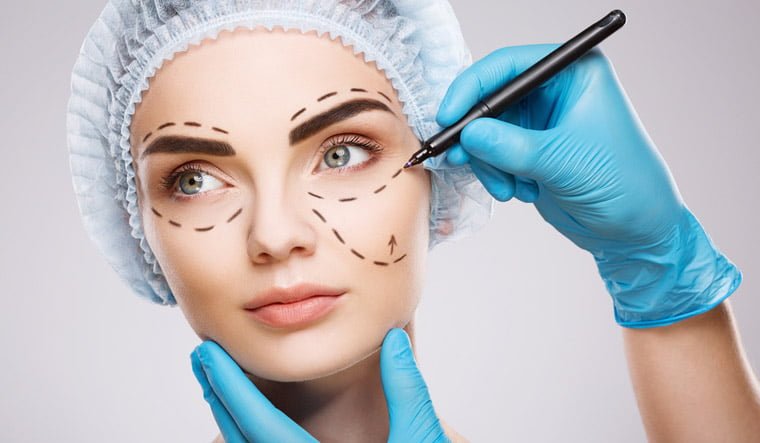
Undergoing a facelift is a significant decision that can bring about transformative results. While the surgical procedure itself is carefully planned and executed by a qualified professional, your recovery is equally important in achieving the best possible outcome. One of the most crucial aspects of post-operative care is rest. Understanding why rest matters and how to optimise it can support your recovery and contribute to a smoother healing process.
Why Rest Matters After Surgery
After a facelift, your body enters a natural healing mode. Surgery is a form of controlled trauma, and your tissues need time to repair. Adequate rest helps reduce the risk of complications, such as excessive swelling, bruising, or delayed wound healing. When you rest, your body can direct energy towards repairing tissues, supporting blood circulation, and reducing inflammation, all of which can support optimal healing outcomes.
Neglecting rest can place unnecessary strain on your body. Physical activity too soon after surgery may increase blood pressure or heart rate, which can, in turn, exacerbate swelling or affect wound healing. In some cases, insufficient rest can slow the overall recovery process.
Immediate Post-Operative Rest
In the first 48 to 72 hours following surgery, rest is particularly important. During this period, your body experiences peak inflammation, and your tissues are most vulnerable. You should plan to take time off work and limit physical exertion, allowing yourself to focus on recovery, in line with instructions from your registered facelift surgeon and medical team. Keeping your head elevated while resting or sleeping can help reduce swelling and support proper drainage of fluids.
During this stage, it is also important to avoid any strain on your facial muscles. Simple tasks like bending over, lifting heavy objects, or even vigorous talking can impact healing. Your surgeon may provide specific instructions on how to position yourself during sleep or rest periods to protect your incisions and support recovery.
The Role of Sleep in Healing
Quality sleep is a cornerstone of recovery. During deep sleep, your body produces growth hormones that aid tissue repair and regeneration. A consistent sleep routine, avoiding disruptions and prioritising sufficient nightly rest, can help your body heal more effectively after a facelift.
If you find it difficult to sleep comfortably due to swelling or discomfort, your surgeon may recommend supportive pillows or sleeping positions that minimise pressure on your face. Additionally, avoiding caffeine or stimulants in the evening can help improve sleep quality.
Gradual Return to Normal Activity
While rest is crucial, it is also important to understand that recovery is a gradual process. Most patients can slowly reintroduce light activity after the first week, provided their surgeon has confirmed it is safe. Gentle walking or mobility exercises can aid circulation without putting undue stress on healing tissues.
However, strenuous exercise, heavy lifting, and any activity that raises blood pressure significantly should be postponed until your surgeon advises otherwise. Returning to activity too quickly can affect recovery or increase swelling, so it’s important to follow professional guidance.
Mental Rest and Wellbeing
Rest is not solely physical. Recovering from surgery also involves mental and emotional recuperation. Facelift surgery can temporarily alter your appearance in ways that may feel unsettling, particularly during the first stages of healing when swelling and bruising are most apparent. Taking time to rest mentally, limiting exposure to stressors, and avoiding the temptation to scrutinise your appearance excessively can support a more positive recovery experience.
Maintaining communication with your surgeon or clinic is also part of effective recovery. Reporting any unusual symptoms promptly and attending follow-up appointments ensures that any issues are addressed early, which can protect both your physical and mental wellbeing.
Supporting Rest with Practical Measures
To maximise rest and healing, consider planning ahead before your surgery. Arrange for someone to assist with daily tasks, particularly in the first few days when mobility may be limited. Prepare your home environment with comfortable resting spaces, hydration, nutritious meals, and easy access to medications or prescribed treatments.
Avoid alcohol, smoking, or other substances that can interfere with healing. Nicotine and alcohol can reduce blood flow, increase the risk of complications, and delay tissue repair. Following your surgeon’s post-operative instructions carefully ensures that your rest is effective and supports the recovery process.
Conclusion
Rest is a fundamental component of recovery following a facelift. By prioritising both physical and mental rest, you provide your body with conditions that support effective healing, reduce the risk of complications, and contribute to the best possible outcome. This involves careful attention to sleep, gradual reintroduction of activity, and a supportive environment that encourages recovery.
Understanding the importance of rest helps you approach your facelift with realistic expectations and a clear plan for post-operative care. By respecting the healing process and giving your body the time it needs, you support recovery that is safe and harmonious.
Ultimately, following your surgeon’s advice and allowing yourself time to recover fully is key to supporting a safe, effective, and satisfying outcome. Always follow the instructions of your GMC-registered surgeon to ensure your recovery is safe and effective.