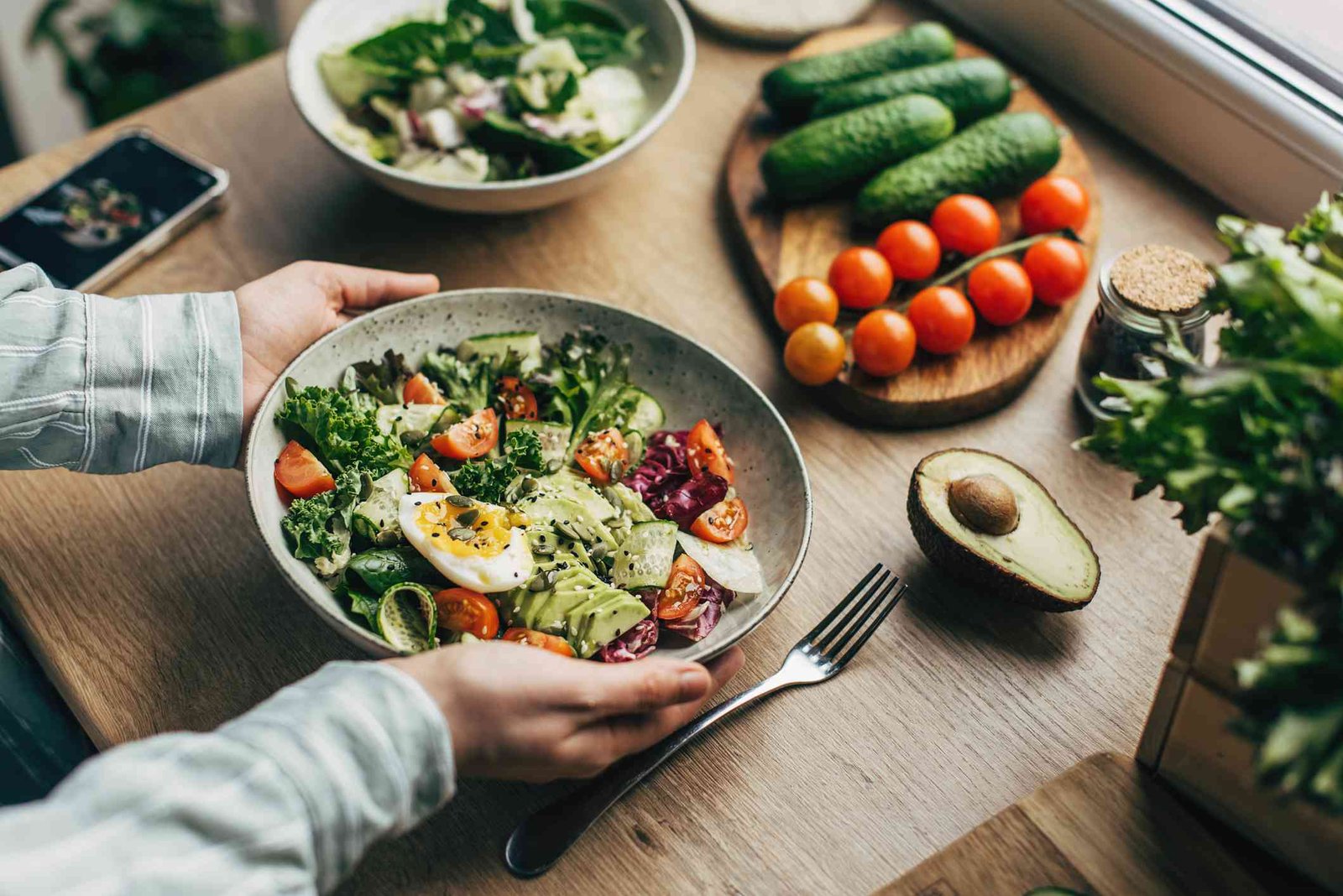
Weight loss is often a challenging journey, especially when trying to find the right balance between medication, nutrition, and lifestyle. Semaglutide, a medication increasingly used to support weight management, can be a helpful tool in achieving your goals. However, pairing Semaglutide with the right foods can enhance its effectiveness and help you maintain a healthier lifestyle. In this article, we’ll explore everyday foods that support your weight loss journey on Semaglutide and how to make smart choices without sacrificing taste.
Understanding Semaglutide and Its Role in Weight Loss
Semaglutide is a medication that works by mimicking a hormone in your body that helps regulate appetite and blood sugar levels. By reducing cravings and increasing satiety, it allows individuals to consume fewer calories naturally. While Semaglutide can significantly aid weight management, combining it with a nutrient-rich diet amplifies its benefits and ensures your body receives the vitamins, minerals, and energy it needs.
Eating the right foods can help stabilize blood sugar, reduce inflammation, and maintain muscle mass, key factors in sustainable weight loss. For guidance on specific meal choices, you can check out the best foods to eat on Semaglutide to make your weight loss journey more effective. It’s not just about cutting calories; it’s about choosing foods that nourish your body while supporting your weight loss goals.
Lean Proteins: The Building Blocks of a Healthy Diet
Protein is essential for weight loss because it helps maintain muscle mass, boosts metabolism, and keeps you feeling full longer. Including lean protein sources in your diet can be especially beneficial when taking Semaglutide. Here are some everyday protein options to consider:
- Chicken and Turkey: Skinless poultry is low in fat and high in protein, making it a staple for weight loss-friendly meals.
- Fish: Fatty fish such as salmon, mackerel, and sardines provide omega-3 fatty acids, which support heart health and reduce inflammation.
- Eggs: Versatile and nutrient-dense, eggs are an affordable way to get high-quality protein.
- Plant-Based Proteins: Lentils, chickpeas, tofu, and tempeh are excellent options for vegetarians or those looking to diversify their protein intake.
By incorporating these proteins into your meals, you not only stay full for longer but also help your body utilize Semaglutide more effectively.
Fiber-Rich Foods for Satiety and Digestion
Fiber is another critical component of a weight loss-friendly diet. It slows digestion, helps regulate blood sugar, and promotes a feeling of fullness. High-fiber foods are particularly useful for individuals on Semaglutide, as they complement the medication’s appetite-regulating effects. Some everyday fiber-rich foods include:
- Whole Grains: Brown rice, quinoa, oats, and whole-grain bread provide sustained energy and help control hunger.
- Vegetables: Leafy greens, broccoli, cauliflower, and Brussels sprouts are low in calories and packed with fiber and nutrients.
- Fruits: Apples, pears, berries, and oranges not only provide fiber but also supply essential vitamins and antioxidants.
- Legumes: Beans, lentils, and peas are high in fiber and protein, keeping you full and satisfied between meals.
A diet rich in fiber can reduce cravings and prevent overeating, making it a perfect complement to your Semaglutide regimen.
Healthy Fats: Fuel for Your Body
Contrary to common misconceptions, fats are an essential part of a balanced diet and can actually aid in weight loss when consumed wisely. Healthy fats provide long-lasting energy, support hormone function, and help your body absorb fat-soluble vitamins. Including these fats in your diet can make your meals more satisfying, which is especially helpful for those managing appetite with Semaglutide.
- Avocados: Packed with monounsaturated fats and fiber, avocados can help you feel full while supporting heart health.
- Nuts and Seeds: Almonds, walnuts, chia seeds, and flaxseeds are nutrient-dense and can be enjoyed as snacks or added to meals.
- Olive Oil: A staple of the Mediterranean diet, olive oil is excellent for cooking or as a salad dressing.
- Fatty Fish: As mentioned earlier, fish like salmon provides both protein and healthy fats, making it a double-benefit food.
Including moderate amounts of these healthy fats can make your meals more satisfying and prevent unnecessary snacking.
Low-Calorie, Nutrient-Dense Snacks
Snacking can be a challenge during a weight loss journey, but choosing low-calorie, nutrient-dense options can help you stay on track. Pairing these snacks with the appetite-regulating effects of Semaglutide can reduce the temptation for processed or high-sugar foods. Consider these options:
- Vegetable Sticks with Hummus: Crunchy, fiber-rich vegetables with a protein-rich dip can satisfy hunger between meals.
- Greek Yogurt with Berries: Offers protein, probiotics, and natural sweetness for a guilt-free treat.
- Air-Popped Popcorn: A high-fiber, low-calorie snack that is perfect for curbing cravings.
- Fruit Slices with Nut Butter: Combines fiber, protein, and healthy fats for a balanced mini-meal.
These snacks are easy to prepare, convenient, and work well with your overall diet plan.
Hydration: The Often Overlooked Factor
While food is essential, hydration plays a crucial role in weight management. Drinking water not only supports metabolism but can also help control hunger. Sometimes, thirst is mistaken for hunger, leading to unnecessary snacking. Aim to drink at least 8–10 cups of water daily, and consider including herbal teas or infused water for variety.
Meal Planning and Portion Control
Even with the right foods, portion control is key to maximizing weight loss on Semaglutide. Preparing meals in advance and using smaller plates can prevent overeating. Focus on balanced meals that include a combination of protein, fiber, and healthy fats to maintain energy levels and prevent cravings. Simple meal planning can make it easier to consistently include the best foods in your diet without feeling restricted.
For individuals looking to optimize their diet, checking resources that outline the best foods to eat on Semaglutide can provide additional guidance and inspiration for meal ideas.
Lifestyle Factors That Support Weight Loss
While diet is critical, combining the right foods with healthy lifestyle habits enhances weight loss results. Consider these tips:
- Regular Physical Activity: Even light exercise, like walking or yoga, can improve metabolism and support weight management.
- Sleep: Getting enough sleep is vital for hormone regulation, appetite control, and energy levels.
- Mindful Eating: Pay attention to hunger cues, eat slowly, and avoid distractions during meals.
- Stress Management: Chronic stress can increase cravings and overeating, so techniques like meditation or deep breathing are beneficial.
Integrating these habits alongside a nutrient-rich diet can accelerate results while improving overall well-being.
Final Thoughts
Embarking on a weight loss journey with Semaglutide can be highly effective, but pairing the medication with the right everyday foods ensures long-term success. Lean proteins, fiber-rich vegetables and fruits, healthy fats, and nutrient-dense snacks all contribute to appetite control, better digestion, and sustained energy levels.
By focusing on balanced, whole foods and incorporating these lifestyle habits, you can maximize the benefits of Semaglutide and enjoy a healthier, more sustainable approach to weight loss. For more detailed guidance and meal ideas, exploring resources that highlight the best foods to eat on Semaglutide can provide valuable insights and support along your journey.
Frequently Asked Questions (FAQs)
1. What are the best foods to eat while taking Semaglutide?
The best foods to eat on Semaglutide are nutrient-dense options like lean proteins, vegetables, whole grains, fruits, and healthy fats. These foods help you feel full longer, stabilize blood sugar, and complement the appetite-regulating effects of the medication.
2. Can I eat carbs while on Semaglutide?
Yes, you can eat carbohydrates, but focus on complex carbs like quinoa, brown rice, oats, and whole-grain bread. These provide sustained energy, fiber, and prevent sudden spikes in blood sugar, making them more suitable for weight loss compared to refined carbs.
3. How often should I eat when taking Semaglutide?
It’s recommended to follow regular meal patterns that suit your lifestyle. Many people benefit from three balanced meals and one to two healthy snacks per day. The key is to eat nutrient-rich foods that support satiety and energy levels throughout the day.
4. Are there any foods I should avoid on Semaglutide?
Highly processed foods, sugary drinks, and foods high in refined sugars or unhealthy fats can counteract the benefits of Semaglutide. Focus on whole, minimally processed foods to get the best results from your weight loss journey.
5. Where can I find more guidance on diet with Semaglutide?
For more detailed guidance, meal plans, and tips, you can explore resources that highlight the best foods to eat on Semaglutide, which provide practical suggestions to make your weight loss journey easier and more effective.