In today’s fast-paced digital environment, network efficiency is paramount. One essential technology in this realm is the media convertor. Media convertors play a crucial role in optimising data transfer and streamlining communications within different network infrastructures.
Understanding Media Convertors
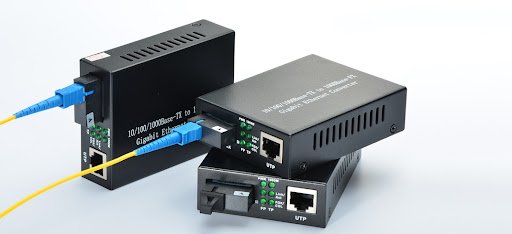
Media convertors are devices that facilitate the seamless transformation of communication signals, making them compatible with various physical media types. These devices are instrumental in bridging different types of network segments, thereby enhancing overall network performance.
Types of Media Convertors
There are several types of media convertors available, each designed to address specific networking needs. Primarily, they are categorised into copper-to-fibre, fibre-to-fibre, and multi-fibre to fibre convertors. Each plays a unique role in enhancing connectivity and maintaining data integrity across different network systems.
Copper-to-Fibre Media Convertors
These convertors serve as a bridge between copper and fibre networks. This type of media convertor is crucial for extending networks that traditionally relied on copper cabling. By converting electrical signals into light signals, they allow networks to leverage the benefits of fibre optics, such as extended range and increased bandwidth.
Fibre-to-Fibre Media Convertors
Fibre-to-fibre convertors are used to connect different types of fibre optic cables. They are particularly useful in scenarios where network upgrades necessitate transitioning from one fibre type to another, ensuring minimal disruption and continued operational efficiency.
Multi-Fibre to Fibre Media Convertors
These convertors are designed to manage multiple fibre optic connections simultaneously. This capability is especially important in large-scale network environments where managing multiple connections efficiently can significantly improve network performance.
Benefits of Using Advanced Media Convertors
The adoption of advanced media convertors comes with several benefits. Primarily, they enhance network flexibility and scalability. By accommodating diverse media types, these convertors allow networks to expand and adapt to evolving technology without significant infrastructure overhauls.
Improved Network Longevity
Media convertors also increase the longevity of existing network infrastructures. By enabling seamless integration between outdated and new technologies, media convertors help organisations protect and maximise their existing technology investments.
Cost Efficiency
Cost-effectiveness is another significant advantage of media convertors. By facilitating the use of existing cabling and hardware, convertors can substantially reduce the costs associated with setting up or upgrading network infrastructures.
Enhanced Data Security
Advanced media convertors often come equipped with features that enhance data security. By ensuring secure transmission between network segments, they help in maintaining data integrity and protecting sensitive information from potential cyber threats.
Industry Applications of Media Convertors
Media convertors are used across various industries to ensure efficient and reliable network performance. In telecommunications, they help in extending network links across vast distances, while in healthcare, they ensure the secure transmission of sensitive patient data.
In Telecommunications
Within the telecommunications sector, media convertors play a vital role in connecting different network segments, facilitating reliable communication over long distances, which is essential in our interconnected world.
In the Healthcare Sector
In healthcare, media convertors are critical in maintaining secure and efficient data communication. The ability to securely transmit sensitive patient information is of utmost importance, and media convertors provide a reliable medium for this purpose.
Conclusion
In conclusion, the implementation of advanced media convertors is crucial for enhancing network efficiency. These devices not only ensure compatibility between different media types but also bring numerous benefits such as cost savings, improved data security, and increased network longevity. As industries continue to evolve, the role of media convertors in supporting seamless and efficient communications becomes increasingly significant.