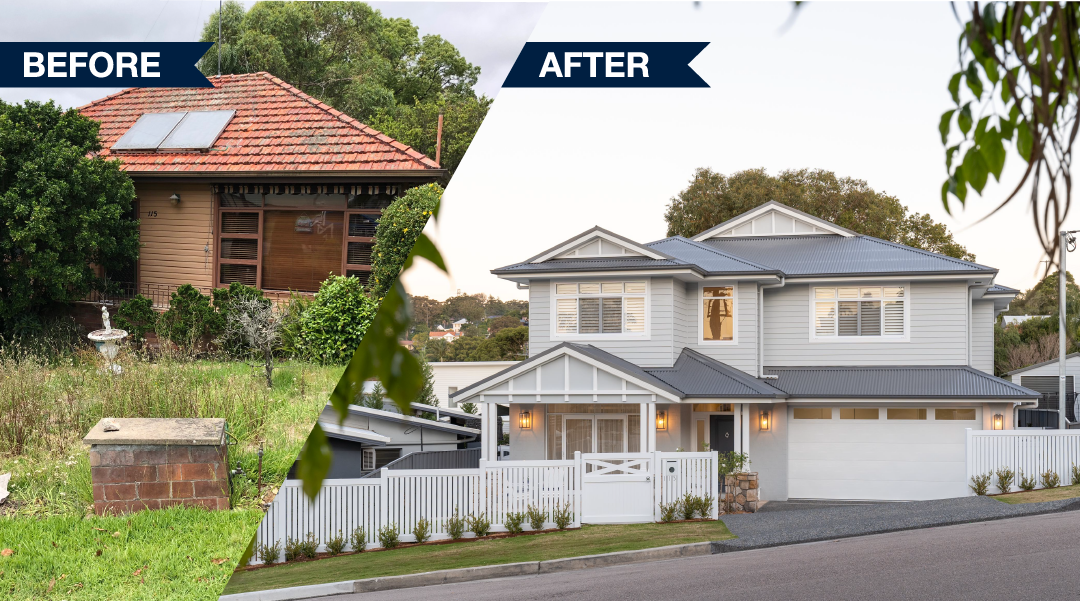
London clients often have the same question arising: do we improve what we have, or start again? The honest answer is that both routes can be right, but for different reasons. The fastest decisions come from mapping constraints early – planning risk, structural reality, programme, and what you are actually trying to change about the way the home works.
Start with what you cannot change
Before you compare budgets, check the factors that will steer the outcome regardless of taste.
Planning and neighbours are usually the first constraint. A rebuild may unlock a cleaner plan, but it can also trigger tighter scrutiny on massing, height, and impact on the street. In sensitive areas, keeping an existing envelope and improving it can be the more deliverable path. The second constraint is the site itself – access, party walls, and how you will build without making the programme unmanageable.
Then there is the existing structure. Some houses have strong bones and poor layouts. Others have compromised foundations, awkward levels, or layers of poor alterations that make every improvement expensive. Until you have a measured survey and a structural view, “renovation cost” is guesswork.
When renovation is the smarter move
Renovation makes sense when the existing building gives you value you cannot easily recreate: a good street presence, workable floor-to-floor heights, solid masonry, or character that adds long-term desirability. It is also the better option when planning risk is high and you need to protect programme certainty.
The best renovations are not cosmetic. They solve circulation, daylight, storage, and thermal comfort as one integrated project. That usually means reallocating space, improving connections to the garden, and upgrading fabric performance while keeping what matters intact. If you are heading down this route, treat early design as risk control, not decoration, and start with a clear brief and a realistic sequence. For an overview of what that process can look like, see house renovation.
When rebuild is the better decision
Rebuild tends to make sense when the existing home blocks the outcome: poor orientation, unusable geometry, chronic damp issues, or a structure that would cost more to fix than replace. A new build can deliver better spatial efficiency, simpler detailing, and stronger performance targets because the house is designed as one coherent system rather than a set of patches.
It can also be the right choice when you need a step-change in layout: deeper daylight, better ceiling lines, proper plant space, and a clean relationship between architecture and services. The caveat is that rebuilds concentrate risk upfront – planning, engineering, and cost certainty must be resolved early, or the project can drift.
A practical way to decide
Rather than debating ideology, test both options against the same criteria:
Firstly – consider an additional factor – disruption. Renovations can be phased, but they often bring unknowns once walls and floors are opened up. Rebuilds are more predictable during construction, yet they demand more decisions upfront. If you need to live in the property during works, that single constraint can shift the whole balance.
Then go through those questions:
- What is the planning pathway and where is the risk?
- What is the structural reality and what would you be inheriting?
- What is the target performance and how will you achieve it?
- What is the programme, including temporary works and logistics?
- What outcome matters most: space, light, longevity, or speed?
A quick feasibility stage can answer these questions without committing you to either direction. Once the constraints are visible, the “right” option usually becomes obvious, and the design process becomes calmer, faster, and more cost-controlled.