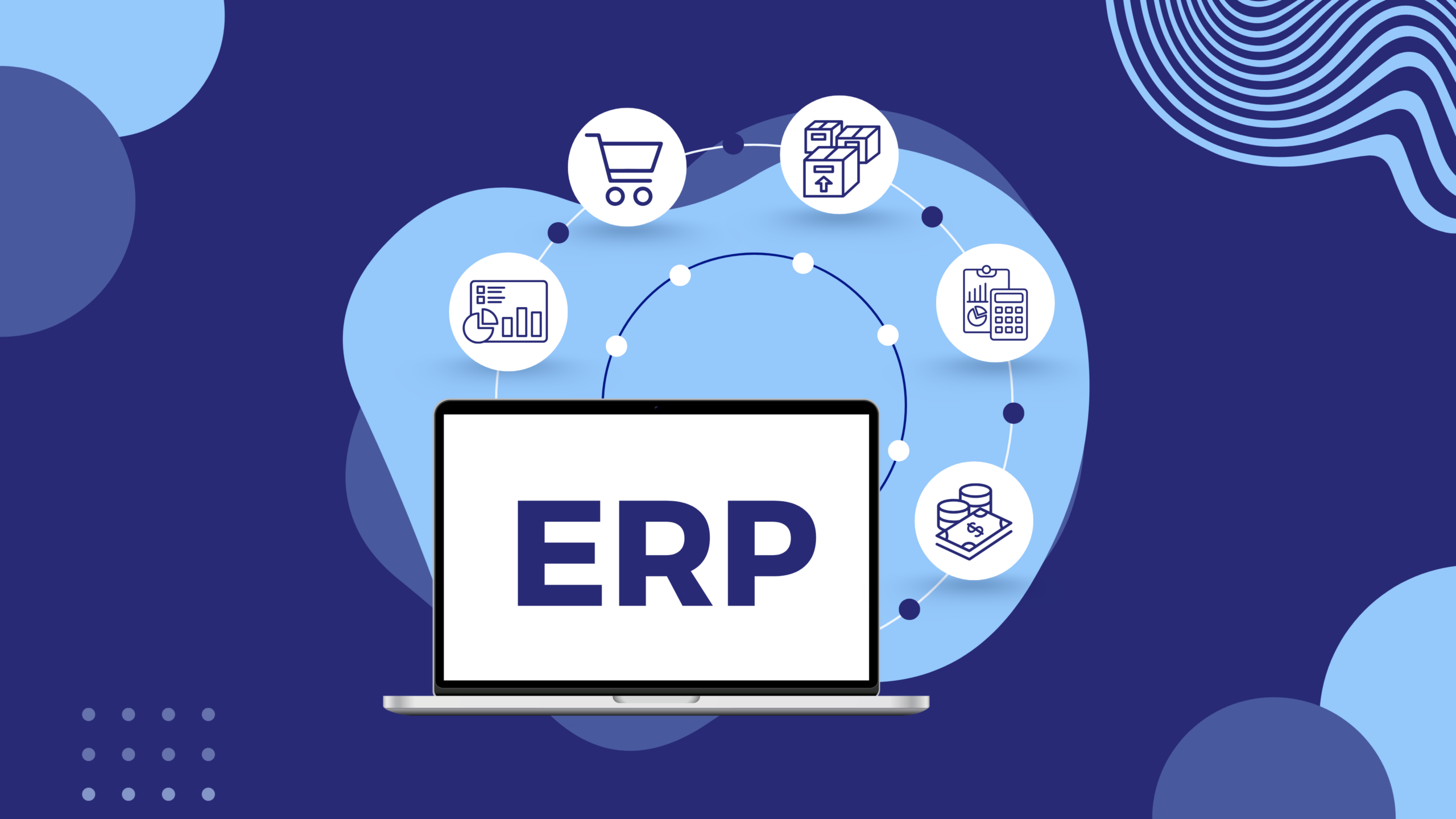
Integrating an ERP solution into business operations has become a pivotal decision for many organisations seeking to enhance efficiency. An Enterprise Resource Planning (ERP) system serves as a central hub that streamlines various business processes, aiding in the optimal allocation of resources and fostering data-driven decision-making.
Understanding ERP Solutions
An ERP system is a comprehensive software platform used for managing and integrating the key components of a business. An ERP software solution can integrate planning, purchasing inventory, sales, marketing, finance, human resources, and more. By utilising a single system for multiple business functions, companies can ensure a more cohesive operational flow and reduce overhead costs associated with managing disparate software systems.
Key Benefits of Implementing an ERP System
From improving collaboration to providing real-time data insights, the benefits of ERP systems are numerous. Enhanced collaboration within departments is one of the foremost benefits. This integration improves efficiency and facilitates communication across various departments, ensuring all stakeholders are aligned in their goals and operations.
Improved Data Analytics
Real-time data is a significant advantage when it comes to ERP systems. These solutions allow businesses to access up-to-date information, critical for timely and informed decision-making. Data analytics tools integrated within ERP systems can help in forecasting, budgeting, and planning, giving businesses a competitive edge.
Increased Productivity
By automating routine tasks and centralising information, ERP systems help minimise errors and reduce the time employees spend on mundane tasks. This automation allows the workforce to focus on more strategic initiatives, thus boosting productivity and contributing to business growth.
Impact on Supply Chain Management
ERP systems play a crucial role in streamlining supply chain operations. With real-time information and integrated logistics modules, businesses can reduce operational costs and respond swiftly to market demand fluctuations. The visibility provided by an ERP solution aids in better inventory management and optimising supply chain processes.
Scalability and Customisation
Scalability is a vital feature of modern ERP systems, allowing businesses to adapt the software to their changing needs. As businesses grow, their needs and processes evolve; scalable ERP solutions can expand accordingly without the need for significant changes or additional investments in new systems.
ERP systems are also highly customisable, enabling organisations to tailor the platform to meet specific operational requirements. This customisation ensures that the ERP system aligns with business objectives and industry standards.
Challenges in Implementing ERP Solutions
While the benefits are substantial, implementing an ERP system is not without challenges. Common challenges include high initial costs, longer implementation periods, and the need for thorough training programs to ensure that staff can utilise the system effectively.
Cost Considerations
The investment in ERP systems is significant. However, when the long-term savings and improvements in efficiency, productivity, and data accuracy are considered, the initial expenditure can often be justified. Planning and budgeting for this investment should factor in the potential return on investment over time.
Implementation Timeline
Deploying an ERP system requires careful planning and can take several months. It is vital for organisations to set realistic expectations and timelines to ensure smooth integration without disrupting ordinary business operations.
Training and Adoption
Training staff is a critical component of ERP implementation. Without proper training, the full potential of the system may not be realised. Comprehensive training programs can mitigate resistance and ease the transition into new operational models supported by the ERP system.
Conclusion
Implementing an ERP solution is a transformative move for businesses aiming to enhance operational efficiency and scalability. Despite initial challenges, the long-term benefits of improved collaboration, data analysis, and productivity make ERP systems a worthwhile investment. Companies seeking to remain competitive in their industry should consider the integration of an ERP system as a strategic priority.