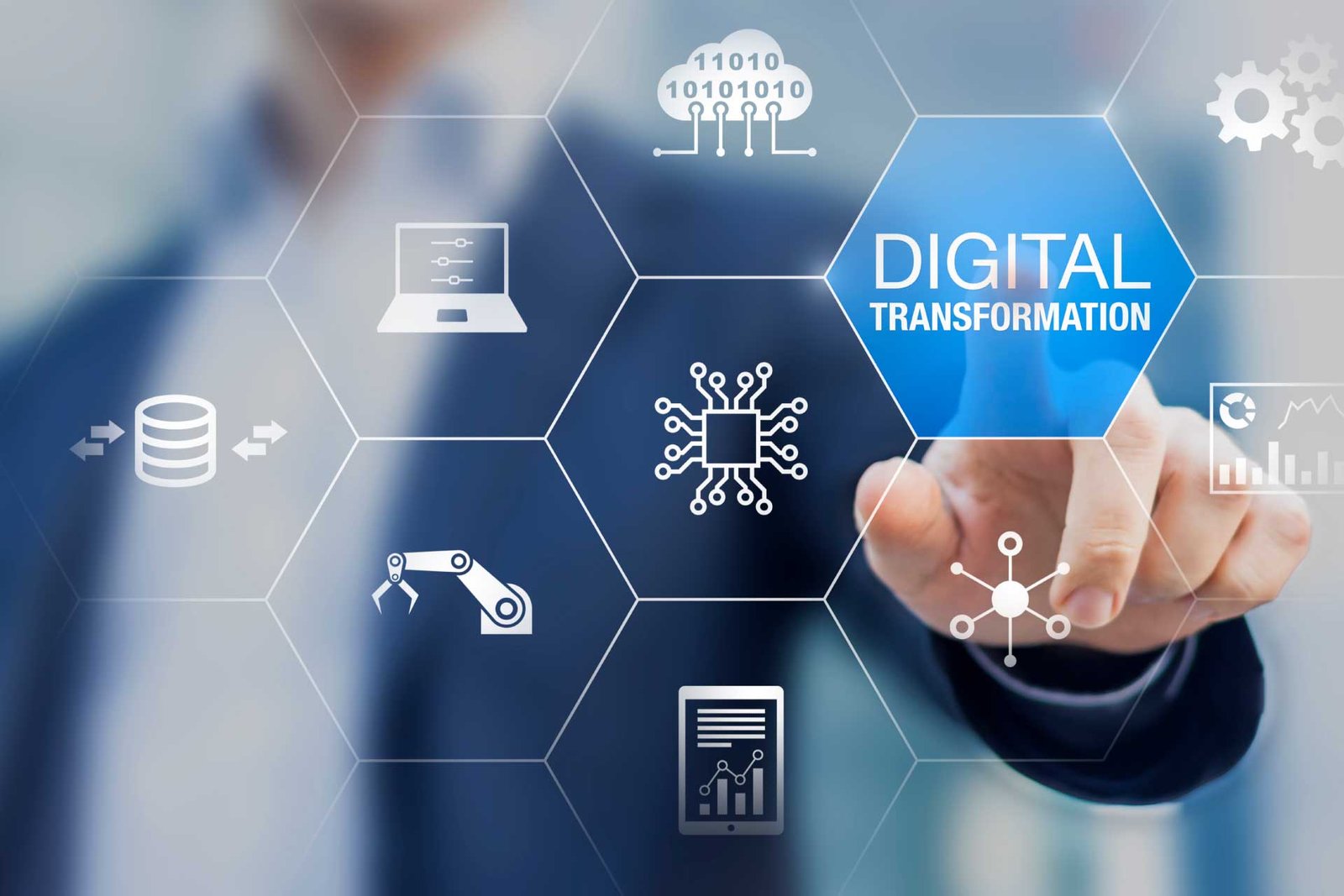
Digital transformation is not just a buzzword that has been floating around the last few years – it is fundamentally changing the way in which businesses operate. Those who do not embrace digital transformation fall behind the times, while those ahead of the curve can improve in all areas of the business and compete at the highest level. Keep reading to discover why digital strategies are no longer optional and how you can respond effectively.
Why Digital Transformation Matters Now
First, it is helpful to define digital transformation. Essentially, this involves integrating digital technologies into all areas of the business to enhance performance and efficiency. This has become a strategic priority for modern businesses with so many different technologies available in 2026, as well as many notable strides in areas like artificial intelligence (AI). Technologies such as automation, AI, and digital platforms are enabling greater efficiency, agility, and responsiveness in operations and customer engagement.
The UK Context: Investment, Policy, & Competitive Pressure
There have been numerous UK developments in recent years that affect digital transformation, such as government digital strategies and substantial investment in digital infrastructure and skills. These are encouraging businesses to embrace digital change in order to remain competitive. SMEs are now being urged to hard-wire digital strategy into operations, helping smaller companies grow and avoid falling behind.
Transforming Operations, Efficiency, & Innovation
There are various ways that digital tools are reshaping core business functions in 2026. This involves software and tools that can fully or semi-automate routine tasks, using data analytics to improve strategic decision-making, and digital tools that enable experimentation with new ideas and business models. Technology has always been a way to enhance efficiency and competitiveness, but with huge strides made in technologies like AI and Internet of Things (IoT), businesses can now transform their operations with smart digital transformation.
Managing Risk & Future-Proofing Through Digital Change
Digital transformation is also important in terms of risk management, particularly when it comes to cybersecurity and regulatory compliance. Additionally, this is how you build resilience against future disruptions. Strategic partnerships and leadership investment in digital roles are helping organisations to navigate these challenges in 2026. For example, engaging tax specialists alongside digital and operational advisers can ensure technology investments are aligned with UK tax incentives and regulatory requirements.
Digital transformation should be a priority for every business in 2026. Digital transformation is how you remain competitive in today’s technologically advanced era, plus this is also how you improve business operations in key areas so that you can enhance efficiency, fine-tune, and reach higher levels of success.