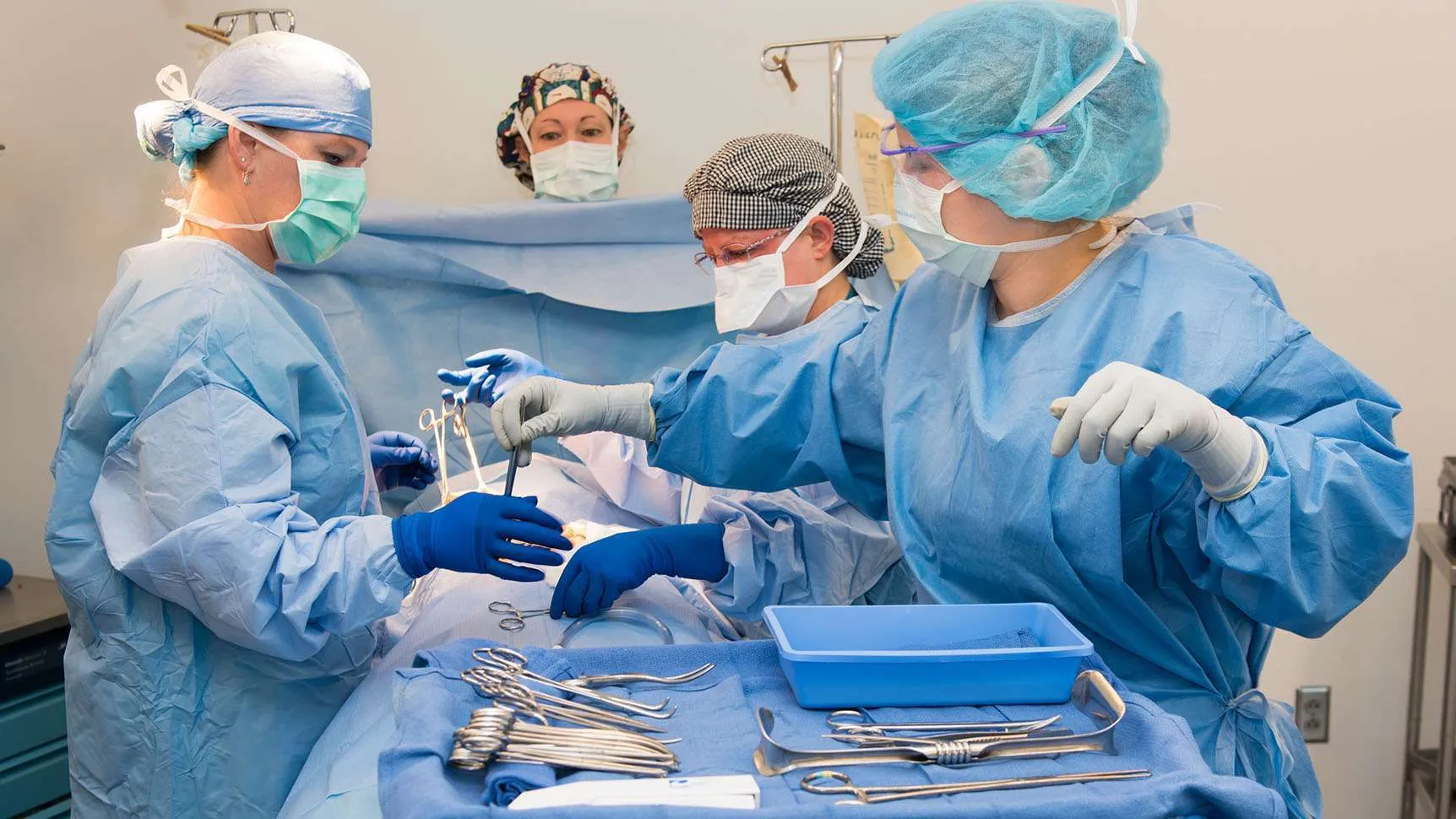
If you’re exploring the operating room as your next career move, one of the first questions you’ll ask is how long a surgical tech program is, and the honest answer is: it depends on the type of program you choose, your schedule, and your state or employer expectations. Some students complete training in well under a year, while others take closer to two years because they pursue a degree pathway or attend part-time.
Before you map out your timeline, it helps to get oriented around what a surgical technologist actually does, what training typically includes, and which route best matches your goals. This is especially important if you’re transitioning from another healthcare role, such as a medical assistant to a surgical tech, and you want the fastest, most cost-effective path without sacrificing quality.
Medical Prep is a surgical tech institute designed to help students train with purpose and move toward the OR with confidence. If you want a structured plan, supportive instruction, and career-focused preparation, MedicalPrep can help you choose the right training pathway based on your background and schedule, so you’re not guessing your way into a high-stakes clinical environment.
What “Surgical Tech Program Length” Really Means
When people ask how long a surgical tech program is, they are usually talking about the time from the first day of coursework to completion of required clinical training. But the total timeline can include more than just class time.
A complete surgical technologist training journey may include:
- Admission and prerequisites (if required)
• Classroom instruction (didactic learning)
• Lab training (hands-on skill building)
• Clinical rotations (real OR experience)
• Certification preparation (depending on your goal)
• Job search and onboarding
Some of these steps overlap, while others add time depending on your school’s structure. Program length is typically defined by the curriculum and the number of required clinical hours.
Typical Program Lengths: The Three Most Common Paths
There are several training models, but most fall into one of these categories.
1) Certificate or Diploma Programs (Often 9–15 Months)
Many surgical technology programs are offered as certificates or diplomas that focus heavily on core surgical tech competencies. These programs are often designed for efficient completion and workforce entry.
Common features include:
- Condensed academic terms
• A direct focus on surgical technology skills
• Lab simulations alongside coursework
• Clinical rotations near the end of training
For many students, this is the most straightforward answer to how long a surgical tech program is if the goal is to enter the field quickly.
2) Associate Degree Programs (Often 18–24 Months)
An associate degree pathway typically includes general education courses in addition to surgical technology coursework. This often adds time, but it can also provide broader academic credentials.
Students choose this path when they want:
- A college degree alongside technical training
• Potential advantages for future education (bridge programs, etc.)
• A longer runway for learning and confidence-building
If you choose an associate route, it’s common for the timeline to land closer to two years, especially if you attend part-time.
3) Part-Time or Evening Options (Varies Widely)
If you’re working, raising a family, or switching careers midstream, you might choose a part-time schedule. The curriculum is the same, but the pacing is slower.
This path can stretch the timeline to:
- 18 months on the shorter end
• 24+ months depending on course availability and clinical scheduling
So when asking how long a surgical tech program is, the schedule format matters as much as the credential type.
Why Program Length Varies So Much
Program duration isn’t random; it’s driven by real training requirements. Here are the biggest factors.
Clinical Hours and Rotation Scheduling
Clinical placement is one of the most time-sensitive parts of training. Hospitals and surgical centers can take only a limited number of students at a time, and rotation schedules are often fixed. If a cohort is large or clinical sites are limited, rotations may extend the timeline.
Prerequisites and Entrance Requirements
Some programs require prerequisite coursework in areas like anatomy, physiology, medical terminology, or basic patient care. If those are not already completed, you may need extra time before the “program clock” begins.
Cohort Start Dates
Not all programs start monthly. Some begin once or twice a year, which can add waiting time even before training begins.
Program Intensity
A full-time, accelerated program compresses material into a tight schedule. A more traditional academic model spreads content across semesters.
What You’ll Learn During a Surgical Tech Program
Understanding the curriculum helps you see why this training can’t be rushed without structure. A quality program typically covers:
Core Surgical Knowledge
- Surgical procedures and specialties
• OR roles and team communication
• Patient positioning and draping
• Surgical case flow (pre-op to post-op)
Sterile Technique and Infection Prevention
- Aseptic technique fundamentals
• Sterilization methods and monitoring
• Maintaining a sterile field
• Preventing contamination in real-time
Instruments, Equipment, and Supplies
- Instrument identification and usage
• Counts, setup, and breakdown
• Sutures, needles, and wound closure materials
• OR equipment basics (suction, cautery, etc.)
Safety and Professionalism
- Surgical safety checklists and protocols
• Handling specimens correctly
• Documentation and compliance basics
• Professional conduct in high-pressure environments
This depth is one reason the answer to how long a surgical tech program is tied to both knowledge and competency, not just hours on a calendar.
Medical Prep is a surgical tech institute focused on preparing students to step into the OR with practical competence and confidence. From program guidance to skill-building support, MedicalPrep helps you avoid common timeline mistakes and stay aligned with the expectations that matter in real surgical settings.
The Role of Clinical Rotations: Where the Timeline Becomes Real
Clinical rotations are where you apply your skills in live surgical settings. You’ll practice:
- Scrubbing and gowning/gloving
• Setting up back tables and mayo stands
• Anticipating surgeon needs
• Maintaining sterile technique during procedures
• Participating in counts and room turnover
A well-run clinical experience can be the difference between “graduated” and “job-ready.”
How Career Changers Can Shorten the Path
Many students entering surgical technology already have healthcare experience. If you’re moving from medical assistant to surgical tech, you may already understand:
- Medical terminology
• Basic anatomy and physiology
• Professional communication in clinical environments
• Patient safety awareness and documentation habits
While you still must learn sterile technique and OR-specific workflows, your transition can feel smoother, and you may be better prepared for the pace and expectations of clinical training.
That said, it’s important not to assume a healthcare background replaces surgical tech training. The OR has unique protocols and a different intensity level than most outpatient settings.
Certification and Employability: Does It Add Time?
In many cases, certification prep is integrated into the program. Some students set aside additional time after graduation for focused review before taking a certification exam, depending on their pathway and readiness.
Even when certification doesn’t add formal program months, it can add:
- Study weeks post-completion
• Scheduling time for testing windows
• Time for credential processing after passing
If your goal is to begin work immediately, plan this step into your timeline so you’re not surprised.
Surgical Tech vs. Surgical Assistant
At this point, many students also ask a related question: how long does it take to become a surgical assistant? The answer depends on what you mean by “surgical assistant,” because the title is used differently across healthcare settings.
In many facilities:
- A surgical technologist is trained to manage sterile setup, instruments, and intraoperative support while maintaining the sterile field.
• A surgical assistant may have additional responsibilities closer to direct assisting, sometimes including tissue handling, hemostasis support, or advanced intraoperative tasks, depending on credentials and state/employer rules.
Because of these differences, becoming a surgical assistant often requires additional training beyond surgical technology, plus documented clinical experience. Some professionals follow a stepwise path: first, become a surgical tech, gain OR hours, then pursue assistant-level education or credentialing aligned with local regulations and employer requirements.
If your long-term goal is to advance, treat your surgical tech program as the foundation. Build excellence in sterile technique, procedure flow, and intraoperative anticipation first; those skills translate into every OR advancement path.
A Realistic Timeline: From Day 1 to First Job Offer
Even though people ask how long a surgical tech program is, what they often want is, “When can I actually start working?” Here is a practical timeline framework.
Scenario A: Full-Time Certificate Path
- Program training: ~9–15 months
• Clinical rotations: included (often toward the end)
• Job search: begins during clinicals, often 4–12 weeks
Total realistic runway: ~10–18 months
Scenario B: Associate Degree Path
- Program training: ~18–24 months
• Clinical rotations: included (often in later semesters)
• Job search: begins during clinicals
Total realistic runway: ~20–30 months
Scenario C: Part-Time / Evening Track
- Program training: varies
• Clinical rotations: may require daytime availability
• Job search: similar timing
Total realistic runway: often 24+ months
So when someone asks how long a surgical tech program is, the best planning answer includes both training length and the transition into employment.
How to Choose the Right Program Length for You
The “best” program isn’t always the shortest. Consider these decision points.
Choose a Shorter Program If:
- You want to enter the workforce quickly
• You can commit to full-time study
• You learn well in accelerated formats
• You already have healthcare exposure and strong study habits
Choose a Longer Program If:
- You want an associate degree credential
• You prefer a more gradual pace
• You need flexibility due to work or family
• You want more time to build an academic foundation
No matter the timeline, what matters is competency. In the OR, confidence comes from repetition, discipline, and structured training.
Common Pitfalls That Delay Graduation
Even strong students can run into avoidable delays. Watch for:
- Missing immunizations or health requirements for clinical placement
• Scheduling conflicts when clinical rotations require daytime hours
• Underestimating the intensity of anatomy, sterile technique, and skills labs
• Poor time management during compressed terms
• Waiting too late to plan transportation and logistics for clinical sites
Building a timeline early helps protect your graduation date.
Final Takeaway
So, how long is a surgical tech program in most cases? Many students complete training in about 9–15 months for a certificate/diploma route, while an associate degree route often takes 18–24 months, with part-time options extending beyond that. Your timeline will depend on prerequisites, program structure, clinical scheduling, and how quickly you can move from training into certification and employment.
If you want a clear plan, not guesswork, Medical Prep can help you evaluate the best pathway, understand the real-world time commitments, and move toward the operating room with a training strategy that matches your goals.
And whether you’re starting fresh or transitioning from medical assistant to surgical tech, the right program length is the one that builds true OR readiness, because in surgery, preparation is everything.