Academic progress rarely depends on effort alone. It also depends on timing, consistency, and access to the right kind of support before small gaps turn into larger ones. For many families, that is where additional learning outside school starts to matter.
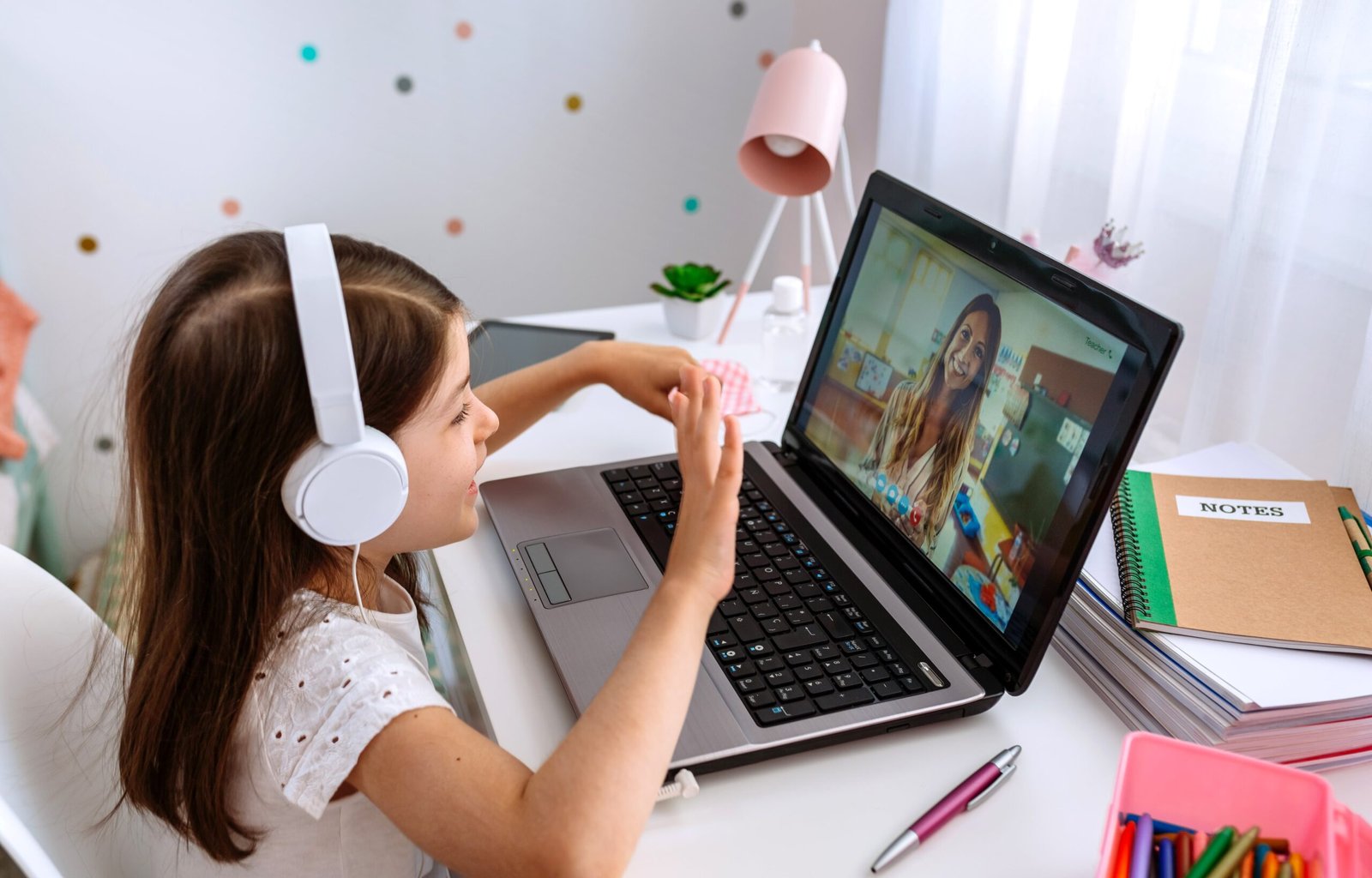
This is one reason online classes for kids have become a practical part of modern learning routines. They are no longer seen only as a backup option or a temporary fix. When chosen well, online classes for kids can help children strengthen fundamentals, keep pace with school expectations, and move ahead with more confidence in subjects that shape long-term performance.
Academic Progress Often Depends On What Happens Outside The Classroom
School remains the main learning space for most children, but it is not always enough on its own. A child may understand most of what is taught in class, yet still need more practice. Another may be doing fine now, but could benefit from deeper reinforcement before the syllabus becomes harder.
That is where online learning can play an important role.
It adds structured support without waiting for a problem to become obvious. Instead of reacting only when marks fall or confidence drops, parents can use online classes to build consistency early. That shift matters because staying ahead academically is not only about learning faster. It is often about learning more steadily.
They Help Reinforce Core Concepts Before Gaps Grow
One of the biggest academic advantages of online classes is reinforcement. Children often need more than one explanation, more than one example, and more than one chance to practise a concept properly.
In school, the pace moves on. Online classes create space to return to what matters.
Stronger Basics Lead To Stronger Performance
Subjects such as reading, writing, grammar, and foundational maths depend heavily on early clarity. If the basics remain shaky, later topics feel harder than they need to.
Online classes help children revisit these building blocks in a more focused setting. That makes future learning smoother, not just current homework easier.
Repetition Feels More Purposeful
The right program does not simply repeat what school already covered. It revisits concepts with clearer structure, guided practice, and enough explanation for the child to truly absorb them.
They Create Consistent Learning Beyond The School Day
Academic growth is often shaped by routine. Children who engage regularly with learning tend to retain more and respond better when classroom demands increase.
Online classes support this by creating a steady learning rhythm across the week.
Instead of learning being limited to school hours, the child gets another touchpoint with the subject. That continued engagement helps keep ideas fresh and reduces the stop-start pattern that can slow progress.
For many families, this is one of the most practical benefits. It brings continuity without requiring travel, extra logistics, or major disruption to the day.
They Offer A More Focused Learning Environment
In a school classroom, teachers manage many students at once. Even with good teaching, not every child gets equal space to pause, ask, revisit, or respond at their own pace.
Online classes can help by narrowing the focus.
Children Often Engage More When Distractions Are Reduced
A well-run online session can give children a cleaner learning frame. There is less classroom noise, fewer interruptions from peers, and more direct engagement with the lesson itself.
It Becomes Easier To Notice Where A Child Needs Help
When the learning setting is more focused, small areas of confusion tend to appear earlier. That allows correction before those issues begin affecting broader academic performance.
They Support Better Preparedness For School Assessments
Children do not stay ahead academically by luck. Preparation matters. That includes not only understanding the subject but also being ready to respond well in school tasks, classwork, and assessments.
Online classes can strengthen that readiness in several ways:
- They keep children in regular practice
- They improve familiarity with concepts before tests arrive
- They build confidence with common question types
- They reduce last-minute panic by spreading preparation over time
A child who has already revised, practised, and clarified concepts through regular online learning often approaches assessments with more calm and control.
They Help Children Build Confidence In Subjects They Find Difficult
Academic performance is closely tied to confidence. A child who feels unsure in a subject may begin avoiding it, rushing through it, or assuming they are simply “not good” at it. That mindset often lowers performance further.
Online classes can interrupt that cycle.
When children receive regular guidance in a manageable setting, difficult subjects often start to feel less intimidating. Improvement becomes visible in small steps. That matters because confidence usually grows through successful repetition, not through pressure alone.
Confidence Changes How Children Participate In School
A child who feels more secure in a topic is more likely to answer in class, attempt harder work, and stay engaged when the subject becomes demanding.
Progress Feels More Reachable
When a concept that once felt confusing starts to make sense, children begin to trust that effort leads somewhere. That belief has a strong academic impact.
They Make It Easier To Move From Average Understanding To Stronger Mastery
Many children are not struggling. They are doing reasonably well. But there is a difference between getting by and building real mastery.
Online classes help close that gap.
A child may understand enough to complete schoolwork, yet still need more depth to perform strongly over time. Additional guided learning helps move children from surface familiarity to deeper understanding.
That is often what keeps them ahead. They are not only exposed to the concept once. They practise it, revisit it, and apply it until it becomes more secure.
They Encourage Better Study Habits Early
Academic success is not only about content. It also depends on habits. Children who learn how to focus, follow a routine, complete practice, and review regularly are usually better prepared for higher academic demands later on.
Online classes can help build these habits early.
A structured class teaches children to:
- Show up prepared
- Listen actively
- Complete tasks with attention
- Stay with a concept until it is understood
- Treat learning as a regular process, not a last-minute event
These habits do not always show up immediately in marks, but they matter over time. They shape how children approach learning altogether.
They Allow Parents To Stay More Aware Of Academic Progress
Parents often want to support their child’s education but do not always get a clear picture from school alone. A child may say everything is fine, even when a subject is becoming harder. Or they may be doing well, but without enough challenge to keep growing.
Online classes make progress easier to observe.
Because the learning is more visible and structured, parents can often tell:
- Which areas the child is strengthening
- Where confidence is improving
- Whether the child is engaging consistently
- Which subjects may still need attention
This makes support more informed. Parents do not have to guess as much. They can respond earlier and more effectively.
They Can Turn Spare Time Into Productive Learning Time
One of the more practical reasons families choose online classes is efficiency. Learning can fit into the week without the added burden of travel or complicated scheduling.
That convenience matters, but the larger benefit lies in how that time is used.
A short, regular class can turn otherwise unstructured time into something productive and cumulative. Over weeks and months, that consistency adds up. Children are not only occupied. They are progressing.
The gain is not in doing more for the sake of it. It is in using time with more intention.
Staying Ahead Academically Is Not About Pressure
There is often a misunderstanding that helping children stay ahead means pushing them too hard. In reality, strong academic support does not have to feel heavy. Often, it is the opposite.
Children usually do better when they feel prepared, supported, and clear about what they are learning. Online classes can help create that feeling. They reduce uncertainty. They bring regularity. They make it easier for children to keep up without constantly feeling behind.
That is a more sustainable way to support academic growth.
What Parents Should Look For In A Good Online Academic Program
Not every program helps children stay ahead in the same way. The strongest ones usually share a few qualities:
- Clear lesson structure
- Age-appropriate teaching
- Consistent scheduling
- Focus on fundamentals as well as progression
- Teacher feedback and interaction
- Enough challenge without making the child feel overwhelmed
The aim is not to fill a child’s schedule. It is to choose learning that strengthens performance steadily and meaningfully.
Final Thoughts
Children stay ahead academically when learning is reinforced before confusion builds, when effort happens regularly rather than only in crisis, and when support is strong enough to turn potential into steady progress.
That is where online classes can make a real difference. Done well, they offer more than convenience. They provide focused reinforcement, stronger routines, better preparedness, and the kind of academic continuity that helps children move with more confidence through school.
For many families, the value of online classes for kids lies in exactly that. They help children not only keep pace with school, but build the clarity, consistency, and confidence needed to move ahead of it.
FAQs
Do Online Classes Really Help Children Perform Better In School?
They can, especially when they reinforce concepts clearly and consistently. Online classes often help children understand subjects more deeply and stay better prepared for schoolwork and assessments.
Are Online Classes Only Useful For Children Who Are Struggling?
No. They are also useful for children who are doing reasonably well but would benefit from stronger fundamentals, more practice, or a more structured path to mastery.
Which Subjects Benefit Most From Online Classes?
Core academic areas such as reading, writing, grammar, and maths often benefit the most because they rely on steady progression and repeated practice.
How Often Should A Child Attend Online Classes To See Academic Benefit?
That depends on the child’s needs and schedule, but regularity matters more than intensity. A consistent weekly routine often works better than irregular bursts of extra study.
Can Online Classes Help Children Become More Independent Learners?
Yes. Structured online programs can help children build habits such as attention, routine, follow-through, and preparedness, all of which support greater independence in learning.