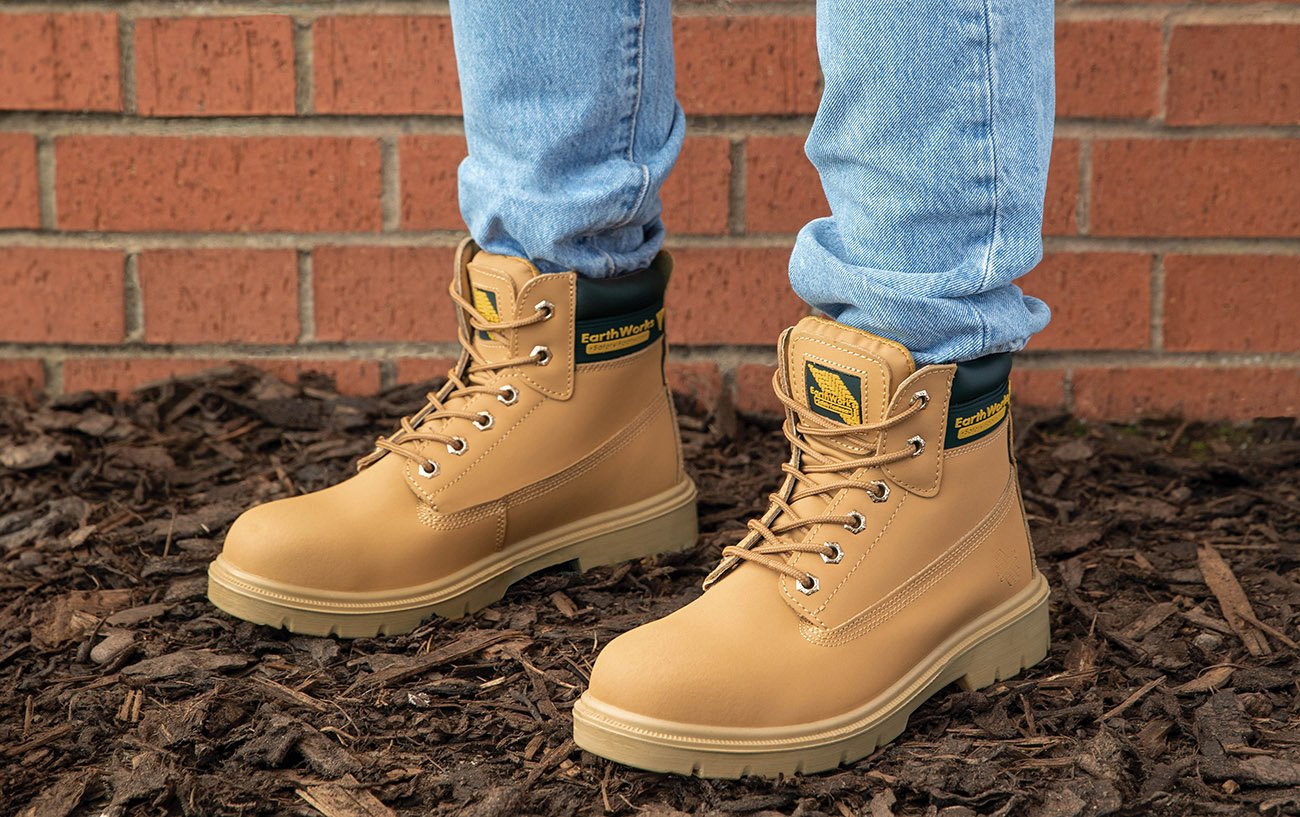
Your workers need to stay protected from hazards to give them the comfort they need to work long hours on their feet. After all, comfort can significantly affect performance, and well-chosen work boots will keep workers safe and productive throughout the day. Yet, there’s no one-size-fits-all approach.
In this article, we’ll help you navigate the process and make informed decisions that benefit both your team and your business.
Start with the Risk Assessment
The right pair of safety boots depends on hazards, so carry out a thorough risk assessment. For example, if workers handle heavy machinery or materials, steel-toe boots will protect their feet from crushing injuries. If they work in environments with sharp objects on the floor, you may need boots with puncture-resistant midsoles.
Understand Standards and Ratings
When selecting safety boots, it’s essential to understand the EN ISO 20345 standards. These European standards ensure that boots meet minimum protection requirements for various workplace hazards. Safety boots with an “S” rating (e.g. S3, S5) indicate protection features such as slip resistance, which prevents accidents from falls. If your workers are constantly moving between wet and dry surfaces, choosing boots with a high slip resistance rating can significantly reduce the risk of injuries from slips, trips, and falls.
Comfort and Fit Drive Compliance
Poorly fitting safety boots can cause fatigue and discomfort, leading to reduced focus and performance. Boots that fit well and provide adequate cushioning will help workers stay comfortable and avoid aches. Ensure the boots offer sufficient arch support and cushioning to reduce strain. Remember that the right size and fit can also prevent issues like blisters and joint pain.
Durability and Whole-Life Cost
You want to choose boots that withstand the tough conditions of the job site, but you also need to factor in long-term costs. Cheaper boots may wear out quickly, which can become more expensive than investing in higher-quality options. Consider boots made from durable materials such as leather or rubber for rugged environments, and those with waterproof coatings if workers are exposed to wet conditions. Also, choosing boots that are easy to clean and maintain can help extend their life and reduce replacement costs. Over time, these small savings add up.
Procurement and Policy
It’s important to establish clear procurement protocols. You should set up trial periods where workers can test the boots before committing to a bulk purchase. This helps ensure that your employees are satisfied with their footwear and that the boots meet the safety and comfort standards required. Along with this, create a care and replacement policy. Make sure workers know how to maintain their boots and set clear guidelines on when they should be replaced. This will ensure compliance and keep your boots in good condition.
Selecting the right safety boots is an investment that pays off in the long term, and you’ll make sure your employees have the best possible footwear for the job.