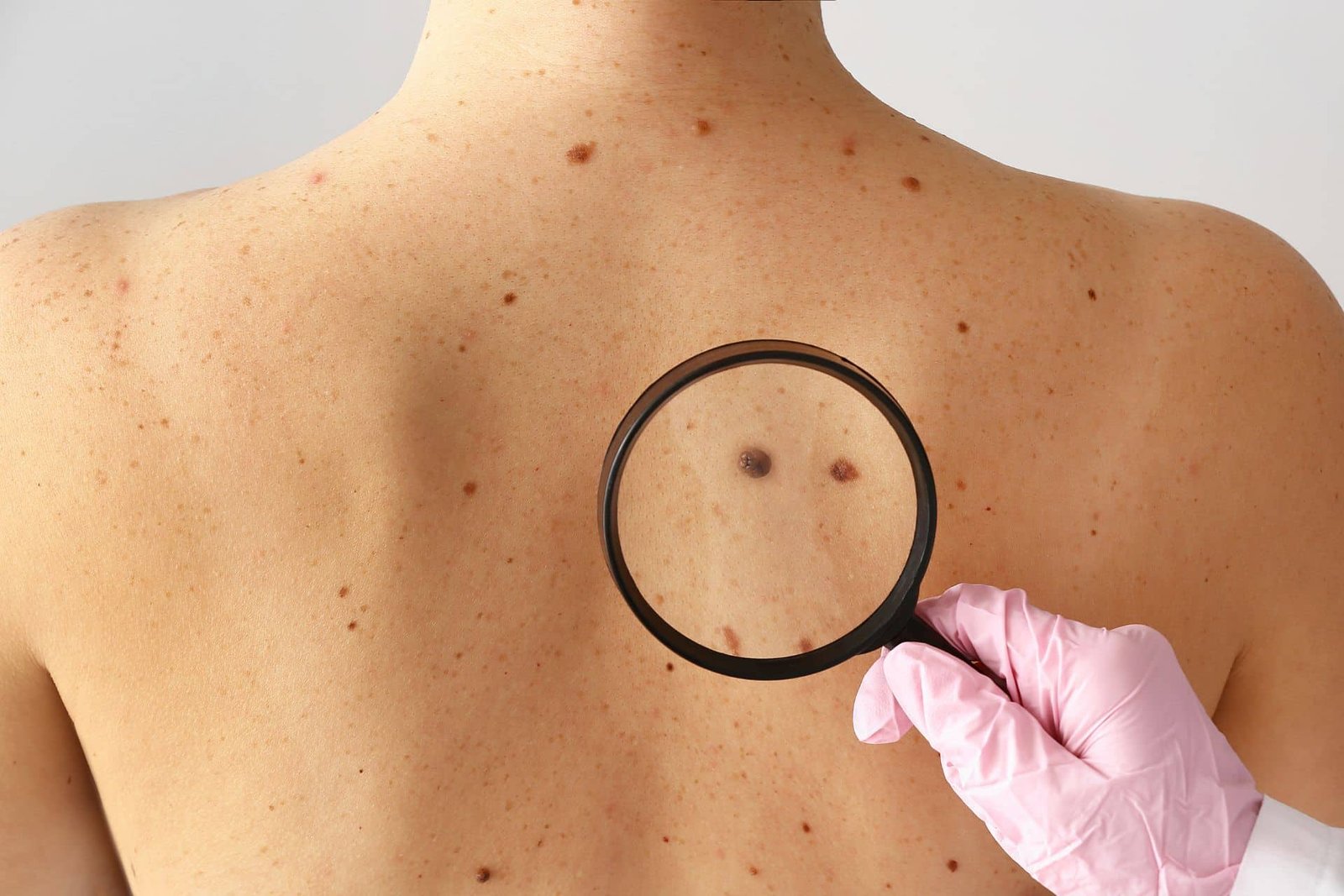
As skin cancer continues to be a significant concern for the healthcare industry, innovative methods such as total body photography are gaining attention for their potential to enhance detection rates. This technology involves capturing comprehensive images of a patient’s skin, allowing dermatologists to monitor changes over time and detect abnormalities early.
The Importance of Early Detection in Skin Cancer
Early detection of skin cancer significantly increases the chances of successful treatment and recovery. Melanoma, the deadliest form of skin cancer, can spread rapidly if not caught early. This makes vigilance in skin examinations crucial. Traditional skin checks, while effective, rely heavily on the observer’s experience and the patient’s history, which can introduce variability in diagnostic outcomes.
What is Total Body Photography?
Total body photography is a technique that employs high-resolution imagery to create a detailed visual record of a patient’s skin. This comprehensive photographic archive serves as a baseline, enabling dermatologists to detect new lesions and changes in existing moles and spots over time. The process involves photographing the entire surface of the skin, usually across multiple sessions, to build a detailed map for monitoring purposes.
Enhancing Accuracy with Technology
The integration of advanced software, such as Dermengine, has further refined the efficiency of total body photography. These platforms provide automated tracking of skin changes, facilitating early detection and potentially reducing unnecessary biopsies. By using artificial intelligence, these systems can highlight areas of concern and compare them over time, offering significant advantages over traditional visual examinations.
Benefits of Total Body Photography
Total body photography offers several benefits in the realm of skin cancer detection. It provides a much more detailed examination than the naked eye, which can often miss subtle changes in skin lesions. Furthermore, these comprehensive visual records can be easily shared among medical professionals, promoting collaborative care.
Improving Patient Outcomes
The use of this technology not only enhances the accuracy of skin cancer detection but also improves patient outcomes. With earlier detection, treatment can begin sooner, improving the prognosis for patients diagnosed with melanoma or other skin cancers. The peace of mind it offers, knowing that meticulous records are being kept, is invaluable to patients at high risk of recurrence.
The Role of Dermatologists
Dermatologists play a critical role in the implementation of total body photography. Their expertise in evaluating images and determining necessary actions following initial screenings is vital. The technology does not replace the dermatologist but rather enhances their capabilities, allowing them to provide a higher level of care to their patients.
Case Studies and Evidence
Various case studies have demonstrated the effectiveness of total body photography in managing patients with significant mole burden or those with a history of skin cancer. These studies highlight improved detection rates and patient satisfaction, supporting its integration into routine dermatological practice.
Total Body Photography and Teledermatology
The advent of teledermatology has opened new avenues for total body photography applications. With the ability to send high-resolution images to specialists around the world, patients can receive expert opinions and diagnoses without the need for immediate physical appointments, thus enhancing access to specialised care.
Challenges and Considerations
Despite its benefits, total body photography is not without challenges. The need for high-quality equipment and software, as well as trained personnel, can be a barrier for some clinics. Additionally, ensuring patient privacy and data security in the storage and sharing of images is paramount.
Future Directions of Total Body Photography
As technology continues to advance, the capabilities and applications of total body photography in dermatology are likely to expand. Future innovations may include enhanced imaging systems and more sophisticated AI algorithms to further refine diagnostic accuracy.
Becoming a Norm in Dermatology
Total body photography is rapidly becoming a norm in comprehensive dermatological care. As clinics increasingly adopt this technology, collaboration among professionals and increased patient education will be critical to its success and widespread acceptance.
Patient Education and Awareness
Educating patients about the importance and process of total body photography can significantly enhance participation rates. Understanding the benefits and what to expect during the process can alleviate patient anxiety and promote cooperation during examinations.
Conclusion
In conclusion, the role of total body photography in revolutionizing skin cancer detection is becoming increasingly clear. By providing detailed records over time, it allows dermatologists to offer earlier and more accurate interventions for patients at risk of skin cancer.