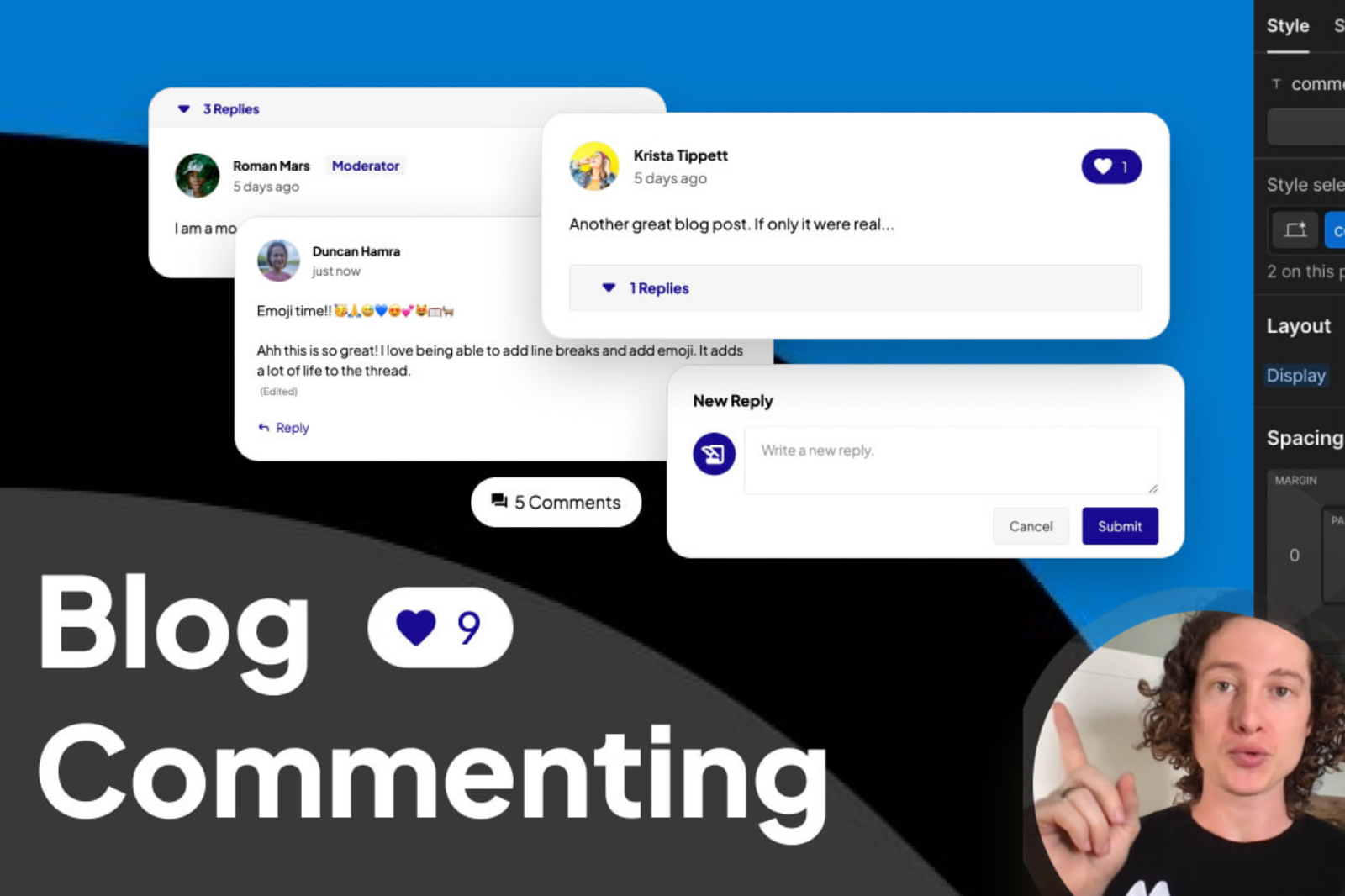
Blog comments rarely receive deliberate attention. Many site owners treat them as residual space beneath content rather than an operational layer. That choice limits engagement and weakens retention. When comment sections sit unmanaged, blogs lose a key signal of reader involvement.
Handled with intent, comments change the role of a blog. They shift readers from passive consumption to visible participation. They also surface patterns that content metrics alone cannot capture.
Why blog comments matter more than you think
Comments anchor discussion where the content lives. They remove the need for off-platform follow-up. Readers who comment tend to revisit posts, track responses, and stay closer to the site over time, reinforcing consistent returning visitor behaviour rather than one-off traffic spikes.
Comments also add fresh material tied directly to the topic. Search engines read this as ongoing relevance. That value depends on quality and consistency, not volume. Sites that treat comments as noise rarely see this benefit. Those that manage them deliberately often do.
Beyond visibility, comments reveal intent. Questions, objections, and personal responses expose what readers care about next. This feedback arrives without surveys or external tooling. It comes from the audience already present.
Common mistakes that kill comment engagement
Low comment volume rarely reflects reader indifference. It usually reflects friction. Many posts end without inviting a response. Generic closings signal completion, not conversation.
Response delays create another break. When comments wait days for approval or receive no reply, momentum fades. Contributors do not return to spaces shaped by persistent comment moderation delays or unclear review cycles.
Over-control also causes drop-off. Complex registration, intrusive verification, or rigid moderation rules discourage casual input. Readers will not invest effort where participation feels risky or slow.
Mobile experience matters here. Most readers arrive on phones. Comment forms that work poorly on small screens quietly suppress engagement.
The technical side of comment failures
Technical choices shape participation more than tone alone. Comment systems that reset fields after errors push users away. Slow-loading sections interrupt flow.
Mobile issues appear often. Input fields display poorly. Buttons sit too close together. Formatting breaks. Each small fault reduces completion rates.
Load order matters as well. When comments load separately or late, users assume they are optional. Many never scroll back.
Infrastructure decisions influence outcomes. Some sites address this internally. Others rely on implementation support from a digital agency in Surrey to stabilise performance and reduce friction without overengineering.
Designing questions that trigger meaningful responses
Technology enables commenting. Prompts activate it. Posts that invite reflection outperform those that ask for approval.
Questions that draw on personal experience generate longer responses. Readers engage when they feel their contribution adds context rather than judgement.
Effective prompts signal openness. They allow differences without conflict. They avoid framing that implies a correct answer.
Alignment matters. Instructional posts attract comments about obstacles or alternatives. Opinion-led pieces invite contrast. Mismatched prompts feel artificial and stall discussion.
Building a comment response strategy that scales
As comment volume grows, ad hoc replies fail. Without a process, responses slow or stop. Consistency matters more than immediacy.
Not every comment requires the same depth. Detailed questions deserve attention. First-time commenters benefit from acknowledgement. Brief reactions still warrant recognition.
Prioritisation protects time without closing conversation. Templates help, but only when adapted. Generic replies weaken trust. Personal detail sustains it.
A steady rhythm of review keeps discussion visible. Readers notice when replies arrive reliably. They adjust behaviour accordingly, responding to stable response consistency metrics rather than sporadic bursts of attention.
Turning commenters into community members
Recognition builds continuity. Addressing contributors by name reinforces presence. Referencing earlier discussions signals memory.
Cross-comment interaction strengthens threads. Follow-up questions that invite others to respond reduce reliance on the author alone.
Comment patterns also guide content direction. Repeated themes point to gaps worth addressing. Crediting contributors when their input shapes future posts deepens attachment.
Some sites highlight discussion moments elsewhere on the blog. The effect is subtle but cumulative. Commenters feel seen. Others join in, reinforcing long-term community engagement continuity rather than isolated bursts of interaction.
Comment section health check: operational signals to watch
Healthy comment sections show low friction, visible replies, and clear entry points. Readers find the form easily and understand when responses arrive.
Submission works on the first attempt. Error messages explain issues. Spam controls filter quietly without blocking genuine input.
Moderation moves at a predictable pace. Contributors know when their words appear. Replies do not vanish into silence, supported by a clear comment moderation policy that sets expectations for both readers and editors.
Recognition stays consistent. Regular contributors receive acknowledgement. New voices receive welcome.
Comment sections reward attention long after a post goes live. Clear moderation, consistent replies, and recognition turn one-off readers into returning participants. Where comments are neglected, continuity breaks and engagement thins out.