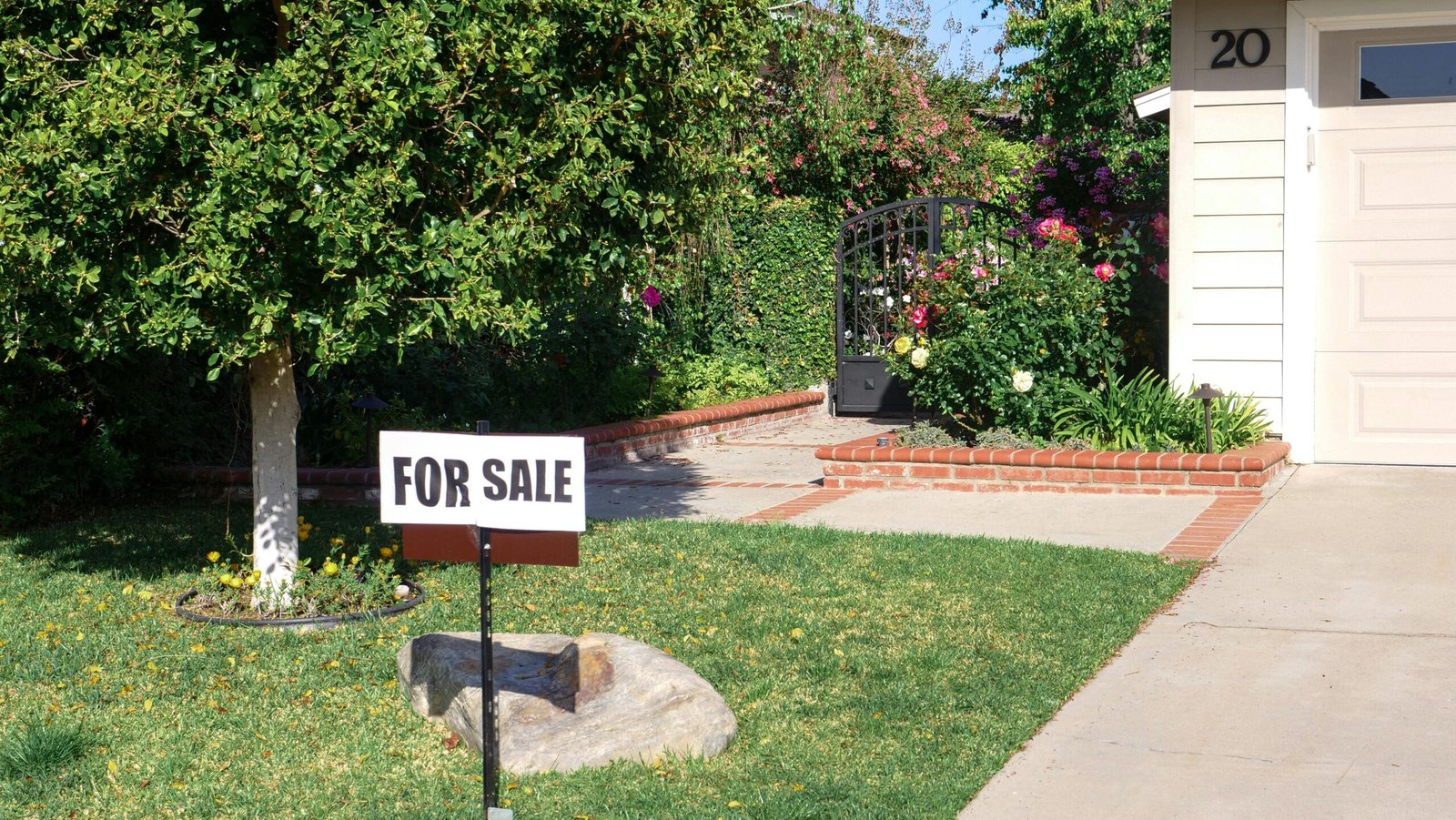
Effective property management is crucial for achieving a thriving and profitable real estate portfolio. Property management involves overseeing various aspects of real estate including the operational, financial, and maintenance tasks associated with running a property. This article outlines essential strategies that can be adopted to ensure successful real estate oversight.
Understanding the Role of Property Management
The core responsibility of property management is to maintain and increase the value of the properties under management. This involves a broad range of tasks, from tenant relations to financial reporting, and the physical upkeep of assets. Managers must be strategic in their approach to managing properties to balance tenant satisfaction with cost-effective operations.
Developing a Comprehensive Management Plan
Having a strategic management plan is pivotal. This involves setting clear objectives such as occupancy targets, maintenance schedules, budget constraints, and revenue projections. A comprehensive plan guides property managers in making informed decisions about day-to-day operations and long-term investments.
Implementing Effective Tenant Screening Procedures
Tenant screening is a critical component of property management. Successful tenant selection helps minimise risks associated with rent arrears and property damage. By conducting thorough background checks and assessing credit histories, property managers can select reliable tenants who will uphold the terms of their lease agreements.
Maintenance and Repairs Management
Regular maintenance and prompt repairs are vital to preserving property value and ensuring tenant satisfaction. Property managers should establish a maintenance calendar and ensure a process is in place for logging and addressing repair requests. Using technology to streamline maintenance operations can significantly enhance efficiency and responsiveness.
Financial Management and Record Keeping
Meticulous financial management involves tracking income, expenditures, and preparing financial statements. Property managers should utilise robust financial management software to maintain accurate records. This helps in providing transparency to stakeholders and aids in efficient budgeting and forecasting.
Legal Compliance and Risk Management
Property managers must be well-versed in relevant laws and regulations to ensure compliance and manage risks. This includes understanding landlord-tenant laws, safety regulations, and property-specific legislation. Staying abreast of legal changes is essential to avoid non-compliance issues which can result in significant penalties.
Utilising Technology in Property Management
Incorporating technology can revolutionise property management. From using software for property listings and tenant management to IoT devices in property maintenance, technology can drive efficiencies and enhance service delivery. Staying informed about emerging technologies and trends is advantageous for property managers looking to innovate.
Enhancing Tenant Relations
Strong tenant relationships are fundamental in property management. Open communication channels and prompt resolution of tenant concerns can lead to higher retention rates. Property managers should also consider tenant feedback in service improvements to foster a good tenant relationship.
Asset Management and Long-term Planning
Property management extends beyond daily operations and maintenance; it also involves long-term asset management strategies. This includes planning for property renovations, upgrades, and expansions to maximise property value over time. Effective long-term planning requires analysing market trends and understanding the future needs of properties under management.
Training and Development of Staff
To maintain high standards in property management, investing in the training and development of the management team is crucial. Providing staff with opportunities for professional development ensures they are well-equipped to handle the challenges of property management. Training programs should focus on the latest best practices, technological advancements, and customer service skills.
Environmental Sustainability in Property Management
Adopting sustainable practices is becoming increasingly important in property management. Implementing energy-efficient systems and sustainable building practices can reduce operational costs and appeal to environmentally conscious tenants. Property managers should consider eco-friendly certifications and green initiatives as part of their management strategy.
Marketing and Advertising of Properties
Successful property management also involves effective marketing to attract prospective tenants. Utilising multiple advertising channels, including online platforms and social media, can increase the visibility of property listings. Effective marketing strategies should focus on highlighting the unique features and benefits of each property type.
Conclusion
Mastering property management requires an intricate balance of expertise, strategy, and innovation. By focusing on key areas such as tenant relations, financial management, and technological integration, property managers can enhance the value of their properties and ensure profitable operations. Implementing these strategies can provide both short and long-term benefits, ensuring successful real estate oversight.