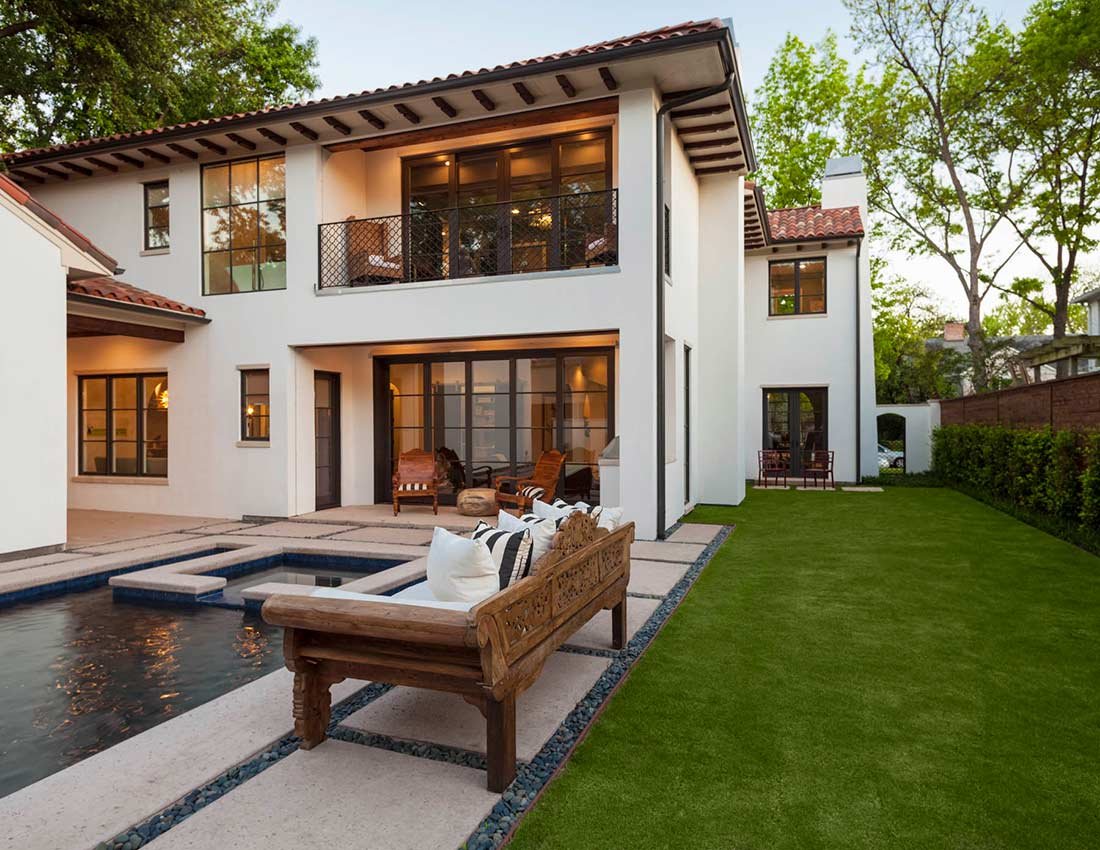
Ceiling fans function as both practical fixtures and design elements. Selecting fans that complement your home’s architectural style ensures these prominent fixtures enhance rather than detract from interior aesthetics. Understanding how different fan designs align with various architectural traditions helps homeowners make choices they’ll appreciate for years.
Traditional and Colonial Homes
Traditional architecture emphasizes symmetry, classical proportions, and refined details. Ceiling fans for these spaces should honor these principles:
Design Elements: Look for fans with carved wood or wood-look blades, decorative motor housings, and traditional pull chains. Ornate details are appropriate but should avoid excessive elaboration that feels cluttered.
Finishes: Antique brass, oil-rubbed bronze, and rich wood tones complement traditional color palettes. Avoid overly modern finishes like chrome or matte black.
Light Kits: Traditional candelabra-style light kits or frosted glass bowls suit formal traditional spaces. Exposed bulb designs work in casual traditional settings.
Blade Count: Five-blade designs feel more traditional than three-blade configurations, though either can work depending on specific styling.
Craftsman and Arts & Crafts Homes
Craftsman architecture celebrates handcraft, natural materials, and honest construction. Ceiling fans should reflect these values:
Design Elements: Mission-style fixtures with geometric patterns, visible joinery details, and substantial proportions honor Craftsman principles. Avoid overly delicate or ornate designs.
Materials: Real wood blades, hand-forged metal details, and mica or art glass shades connect to Craftsman material traditions.
Finishes: Weathered bronze, aged copper, and natural wood finishes feel authentic. High-gloss or overly polished surfaces contradict Craftsman aesthetics.
Integration: Craftsman homes often feature beautiful woodwork. Fans should complement rather than compete with existing millwork.
Contemporary and Modern Homes
Modern architecture prioritizes clean lines, minimal ornamentation, and functional forms. Ceiling fans for these spaces should embrace simplicity:
Design Elements: Streamlined profiles, geometric blade shapes, and integrated LED lighting suit modern aesthetics. Three-blade designs often feel more contemporary than five-blade alternatives.
Materials: Metal blades, composite materials, and innovative constructions express modern sensibilities. Natural materials work when used minimally.
Finishes: Matte black, brushed nickel, white, and monochromatic schemes maintain modern simplicity. Bold color accents can work in appropriate contexts.
Technology: Smart features, DC motors, and energy-efficient operation align with modern values of innovation and sustainability.
For contemporary homes seeking quality options, explore the collection to find fans that balance modern aesthetics with proven performance.
Farmhouse and Rustic Homes
Farmhouse style celebrates casual comfort, natural materials, and nostalgic charm. Ceiling fans should feel relaxed and approachable:
Design Elements: Windmill-inspired designs, cage-style fixtures, and vintage industrial elements suit farmhouse aesthetics. Details should feel authentic rather than manufactured.
Materials: Weathered wood, galvanized metal, and distressed finishes connect to agricultural heritage.
Finishes: Matte black, weathered wood tones, and whitewashed finishes feel appropriately casual. Avoid overly refined or polished surfaces.
Scale: Farmhouse spaces often feature high ceilings and open layouts. Larger fans with substantial presence work well.
Coastal and Beach Homes
Coastal architecture embraces lightness, natural connections, and relaxed living. Ceiling fans should enhance breezy, open atmospheres:
Design Elements: Palm leaf blades, woven materials, and nautical details connect to seaside environments. Outdoor-rated fans extend living spaces to porches and patios.
Materials: Rattan, bamboo, weathered wood, and marine-grade materials suit coastal contexts. Natural textures add appropriate character.
Finishes: White, weathered finishes, and sea-glass tones maintain coastal brightness. Avoid heavy, dark finishes that contradict airy aesthetics.
Functionality: Coastal homes often require damp or wet-rated fans that withstand humid conditions without corrosion.
Mid-Century Modern Homes
Mid-Century Modern architecture features organic curves, innovative materials, and connections to nature. Ceiling fans should honor this design legacy:
Design Elements: Sculptural forms, organic curves, and atomic-age influences feel period-appropriate. Sputnik-inspired designs work in some contexts.
Materials: Combinations of wood, metal, and innovative materials reflect mid-century experimentation.
Finishes: Brass, walnut wood, white, and period-appropriate colors maintain authenticity. Chrome works but should be used judiciously.
Transitional Spaces
Many homes blend multiple influences, creating transitional styles requiring balanced fixture selection:
Strategy: Choose fans with clean, understated designs that don’t strongly commit to specific periods. Quality, proportion, and timeless appeal matter more than period accuracy.
Flexibility: Neutral finishes and classic forms complement varied furnishings and allow future style evolution.
Making Your Selection
Consider these factors when matching fans to architecture:
Prominent Placement: Fans in main living areas deserve careful style matching. Secondary spaces allow more flexibility.
Existing Elements: Consider existing light fixtures, hardware, and architectural details when selecting fan styles.
Personal Preference: Architectural guidelines provide starting points, not rigid rules. Choose fans you genuinely like within broadly appropriate parameters.
Quality Foundation: Regardless of style, prioritize quality. Well-made fans in any style outperform cheap alternatives attempting perfect style matching.
Thoughtful fan selection enhances architectural character while providing essential comfort and efficiency benefits.