Lithium batteries are integral to many modern devices, ranging from everyday electronics to more specialised equipment. The efficiency of these power sources makes them highly sought after, but maintaining their longevity requires using the right lithium battery charger. Selecting the best charger is pivotal in ensuring batteries not only last but also perform optimally.
Understanding Lithium Battery Chemistry
Lithium-ion batteries function differently compared to other types of batteries, such as alkaline or nickel-cadmium. Their chemistry allows for high energy density, making them ideal for everything from smartphones to electric vehicles. Understanding this chemistry is fundamental to knowing how to maintain and charge them effectively.
Why Correct Charging is Crucial
Charging lithium batteries correctly can greatly extend their lifespan. Unlike traditional batteries, lithium batteries are sensitive to overcharging, which can lead to overheating and even battery failure. This makes choosing the right charger and using it correctly a critical consideration for users.
Types of Lithium Battery Chargers
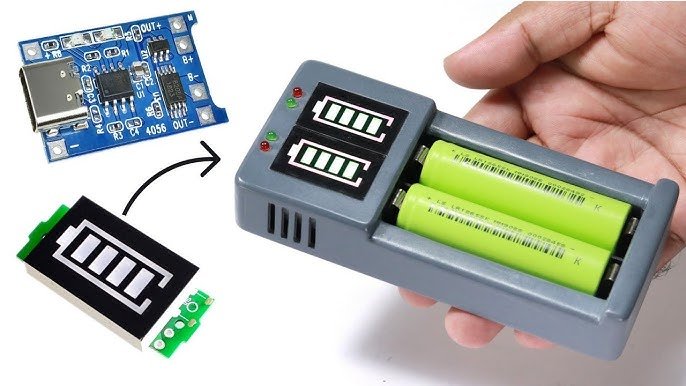
There are several types of chargers available for lithium batteries. The two main categories include manual and automatic chargers. Manual chargers require user intervention to determine when the battery is fully charged, whereas automatic chargers cease charging when the battery reaches its full capacity, significantly reducing the risk of overcharging.
Manual Chargers
Manual chargers offer a cost-effective solution, making them attractive for budget-conscious users. However, they require diligent monitoring to prevent overcharging. They can be a suitable choice if correctly managed, but they should be used by those experienced with lithium battery maintenance.
Automatic Chargers
Automatic chargers are designed to be more user-friendly. They stop charging as soon as the battery is fully charged, thus eliminating the risk of overcharging. These chargers are ideal for users who prefer convenience and safety, and they are recommended for those without extensive knowledge of battery maintenance.
Features to Look For in a Lithium Battery Charger
When choosing a lithium battery charger, it is important to consider features such as compatibility with the battery type, charging speed, and safety features. Chargers should ideally have overcharge protection, temperature monitoring, and the correct current output for the battery size.
Compatibility
Ensure that the charger is compatible with your specific lithium battery type. Not all chargers work with every lithium battery, so double-checking this aspect can prevent potential damage.
Charging Speed
The charging speed is another vital factor. Some chargers offer fast-charge features, which can significantly reduce the time needed to power batteries. However, the fast charging must not compromise the overall health of the battery.
Safety Features
Safety features are non-negotiable. Look for chargers with protections against overcharging, overheating, and short-circuiting. These features ensure that the charging process is safe, protecting both the device and the user.
Maintaining Your Charger for Optimal Performance
A charger in good condition is crucial for maintaining lithium battery health. Regularly check for damage, such as frayed wires or cracks, and ensure that the charger connections are clean and free from debris.
The Environmental Impact of Lithium Battery Chargers
Lithium battery chargers also tie into broader environmental considerations. Using a charger that is energy efficient contributes to sustainability efforts. Additionally, understanding proper disposal or recycling processes for old chargers and batteries helps minimise environmental impact.
Conclusion
Choosing and using the right lithium battery charger is an essential part of maintaining battery health and maximising the lifespan of devices. By considering factors such as charger type, safety features, and compatibility, users can ensure that their batteries perform effectively and last as long as possible.