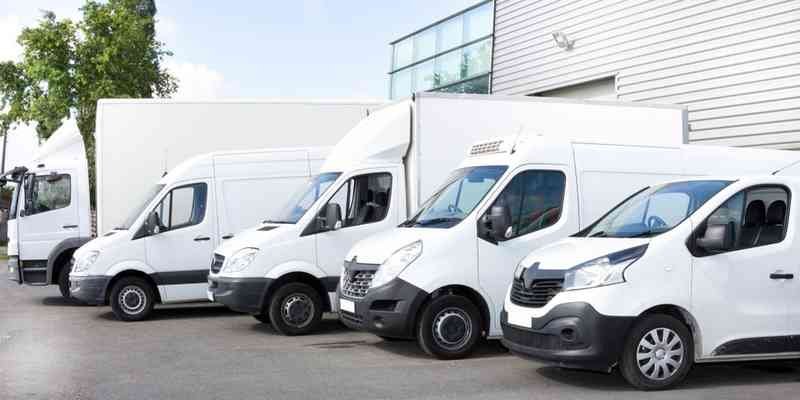
Residential streets are designed for daily life. Children play nearby, neighbors walk dogs, cars are parked along the curb, and traffic usually moves at a slower, predictable pace. When commercial vehicles enter these spaces—delivery vans, service trucks, utility vehicles—the rhythm of the street subtly changes. After a serious collision involving one of these vehicles, that change becomes impossible to ignore.
This realization often comes up when people speak with a Commercial Vehicle Accident Attorney while describing why an accident felt so disruptive despite happening at relatively low speeds.
Size Feels Out of Place on Small Streets
Commercial vehicles are built for cargo and efficiency, not narrow residential roads.
Their presence can feel overwhelming because:
- Streets are narrower than main roads
- Parked cars reduce maneuvering space
- Driveways interrupt traffic flow
- Sightlines are frequently blocked
The scale mismatch increases risk.
Stops and Starts Create Uncertainty
Unlike passenger cars, commercial vehicles stop frequently.
This may include:
- Sudden stops for deliveries
- Vehicles idling mid-lane
- Unexpected backing maneuvers
- Doors opening into traffic space
Predictability breaks down quickly.
Pedestrians Are Harder to See
Neighborhoods involve constant foot traffic.
Commercial vehicles can:
- Block crosswalk views
- Obscure smaller pedestrians
- Limit visibility near intersections
- Create blind spots close to the curb
The margin for error shrinks.
Backing Maneuvers Feel Especially Risky
Residential streets often require tight turns and reversing.
After an accident, people may become more aware of:
- Backup alarms
- Wide turning radiuses
- Vehicles reversing without clear sightlines
- Lack of space to react
These movements feel tense rather than routine.
Noise and Presence Change the Atmosphere
Commercial vehicles bring a different sensory impact.
This can include:
- Engine noise lingering longer
- Vibrations felt nearby
- Air movement when vehicles pass
- Visual dominance in small spaces
The environment feels less calm.
Accidents in Neighborhoods Feel Personal
When a crash happens close to home, its impact feels deeper.
People may feel:
- Less safe on their own street
- More alert during routine walks
- Uneasy when similar vehicles return
- Protective of shared spaces
Familiar areas feel altered.
Why Neighborhood Collisions Involving Commercial Vehicles Matter
When someone speaks with a Commercial Vehicle Accident Attorney, neighborhood-specific details help show why these accidents carry unique consequences.
They often involve:
- Mixed-use traffic environments
- Increased pedestrian exposure
- Limited road design tolerance
- Greater emotional impact
Context shapes consequences.
Recovery Includes Reclaiming Familiar Spaces
After a commercial vehicle accident, healing isn’t limited to physical recovery.
It often involves:
- Regaining comfort on one’s own street
- Feeling safe during daily routines
- Trusting shared spaces again
- Allowing normal life to resume
Recovery is tied to place as much as motion.
Conclusion
Commercial vehicles bring efficiency to modern life, but their presence on residential streets changes how those spaces function. When an accident occurs, the impact reaches beyond the moment of collision and into the daily experience of the neighborhood itsewlf.