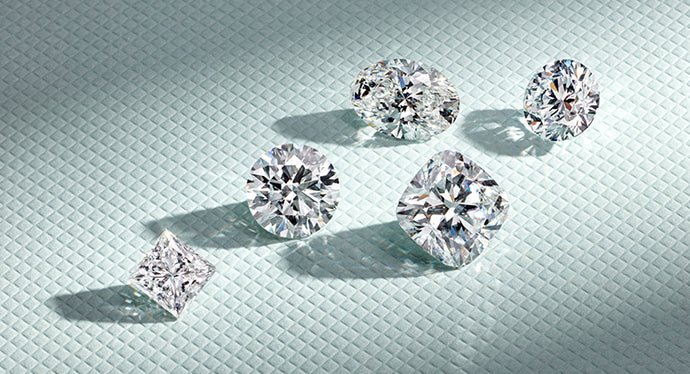
Diamonds have always had an important place within the jewelry world. People are connected to joy, celebration and lasting memories. For many years, mined diamonds led the entire market. Jewelers depended on stones that formed far below the Earth over millions of years.
Now the story is shifting. Science has introduced a new path. Synthetic diamonds are getting attention across the world. These diamonds combine beauty with technological innovation and sustainability into a single stone.
Modern buyers think carefully before choosing jewelry. They want pieces that reflect their personal values. Quality matters. Style matters. However people are concerned about fair and sustainable sources. Due to this change the demand for synthetic diamonds is growing as a viable alternative to exquisite jewelry.
The diamonds that are grown by labs sparkle the exact way as diamonds mined. They reflect brilliantly.
What Exactly Are Synthetic Diamonds?
Synthetic diamonds are authentic diamonds. The main difference lies in the method they are made. Instead of developing deep underground, they grow inside advanced laboratory spaces.
Scientists copy the natural conditions needed for diamond growth. Carbon atoms connect together during the process. These atoms build the same crystal structure found in natural diamonds.
The finished stone shares the same qualities seen in mined diamonds.
A synthetic diamond is:
- Chemically the same as a natural diamond
- Physically strong and highly durable
- Visually identical in sparkle and light reflection
How Scientists Create Lab Diamonds
The production of diamonds in the laboratory requires sophisticated equipment and a careful control of pressure and temperature. Experts employ two methods to increase the size of these diamonds.
High Pressure High Temperature Method
This method copies the intense pressure and heat that exist deep inside the Earth. A tiny diamond seed sits inside a special chamber filled with carbon material. The force of pressure and the heat cause carbon atoms to stick to the seeds. A crystal gradually forms around it. With time, the crystal develops into a diamond.
Chemical Vapor Deposition Method
The CVD process utilizes carbon-rich gases in an enclosed chamber. During the process the gas breaks up.Carbon atoms move toward a diamond seed and begin forming thin layers.
Layer builds upon layer. In time, the layers build up to form the solid diamond stone.
Both methods result in diamonds with the same shape and sparkle that is found in natural stones.
Why Synthetic Diamonds Are Becoming Popular
Luxury buyers today think about many things before making a purchase The appearance of a person is still important. While at the same time people pay attention to the way products are made and where they originate from. Synthetic diamonds meet these expectations in a variety of ways.
Lower Environmental Impact
Diamond growth inside laboratories reduces disruption to natural land. Large mining areas are not required. Ecosystems remain protected.
Companies such as Madestones place a strong focus on responsible production. Their methods aim for CO₂-neutral processes. This direction supports a cleaner future for the jewelry industry.
More Accessible Luxury
Cost is a different factor that affects buyers. Synthetic diamonds typically cost 70 % to 80% less than diamonds mined from the ground. The difference becomes even clearer with colored stones.
Due to this cost advantage, buyers can select larger diamonds or more unique colors while keeping their budgets in check. This change allows more people to have stunning diamond jewelry.
Synthetic Diamonds In Modern Jewelry Design
Designers all over the globe are examining lab-grown diamonds with a lot of interest. These stones offer reliable quality and consistent size. Designers also enjoy greater freedom while creating new pieces.
You can see these diamonds in many types of jewelry today.
Common examples include:
- Engagement rings
- Wedding bands
- Fine jewelry collections
- Fashion accessories
- Custom statement pieces
Lab-grown diamonds are also available in a wide variety of sizes and colors. Designers can test bold ideas and creative designs that once felt difficult with rare natural stones.
Colored Synthetic Diamonds Open New Opportunities
Laboratory technology has changed that situation. Scientists now grow diamonds in beautiful colors through controlled processes. These stones keep the same structure and visual qualities seen in natural diamonds.
Colored synthetic diamonds offer several advantages.
- A wide range of color choices
- Stable quality across different stones
- Much lower cost than rare natural diamonds
- Responsible production methods
Designers and collectors now have far more creative possibilities when working with these stones.
Madestones And The Future of Lab Diamonds
Madestones focuses on diamonds created through innovation and responsible practices.
Their lab-grown diamonds match mined diamonds in every essential way. They share the same chemical structure. They show the same strength. They reflect light with the same brilliance.
Key features include:
- Chemical structure identical to natural diamonds
- Strong durability and hardness
- Bright sparkle and light reflection
- Production methods built around sustainability
Madestones also works toward CO₂-neutral processes and clear sourcing methods.
Comparing Natural And Synthetic Diamonds
Feature |
Natural Diamonds |
Synthetic Diamonds |
| Origin | Formed underground | Created in laboratories |
| Environmental Impact | Mining required | Lower environmental disturbance |
| Price | Higher cost | Often 70 to 80 percent lower |
| Appearance | Bright sparkle | Same brilliance |
| Transparency | Can vary | Clear production process |
Conclusion
Synthetic diamonds offer the same sparkle and strength as mined diamonds while supporting responsible production and lower environmental impact. They provide a smart and modern option for people who want beautiful jewelry with thoughtful sourcing.