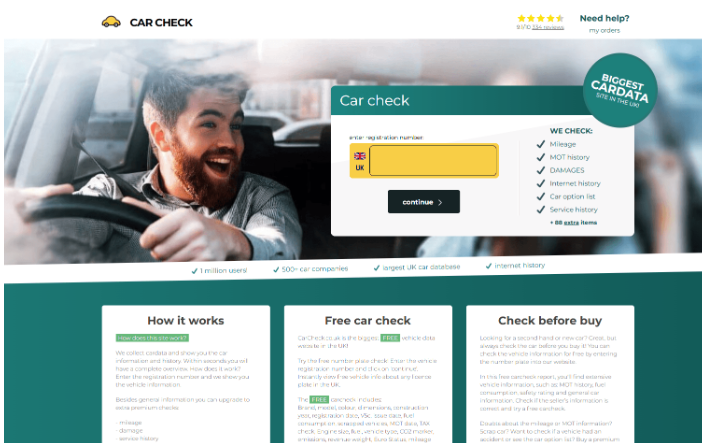
Buying a used car comes with a range of uncertainties. Past accidents, mileage discrepancies, or outstanding finance can all impact your decision. Fortunately, dedicated online tools exist to help buyers make informed choices. Services like CarCheck allow you to quickly access vital vehicle information and provide peace of mind before making a purchase.
Saving time and avoiding hassle
Traditionally, researching a car’s background involved time-consuming manual steps. Contacting previous owners, searching paper documentation, or requesting records from multiple sources could drag out the buying process. Online tools streamline this procedure by collecting information from national databases and presenting the results in an accessible, organised format. This convenience is crucial for busy buyers who need clear answers quickly.
For example, services can instantly access MOT history, past mileage, insurance write-off data, and more, often within minutes. This process not only speeds up decision making but also makes it possible to shortlist or rule out vehicles without traveling to see each one in person. By leveraging these checks early, you avoid wasted journeys and unnecessary stress.
Many online checks summarise results in easy-to-read reports, categorising information by importance or highlighting key issues. The clarity of presentation helps buyers prioritise what to investigate further, whether it’s an unresolved recall, an inconsistent MOT record, or a question about vehicle age. This structured overview allows you to quickly identify red flags and focus your efforts where it matters most.
Another advantage is the ability to compare several vehicles efficiently. With reports generated in a standardised way, you can review two or more cars side by side, saving countless hours that would otherwise be spent gathering paper records or waiting on phone calls. In short, using online tools takes much of the hassle out of used car research.
Increased transparency for buyers and sellers
One of the main benefits of using online vehicle history checks is the greater transparency they provide for everyone involved. When buying a used car, it is difficult to know everything about its past just by inspecting its physical condition. Repair work, accident history, or even changes to the odometer reading can easily go unnoticed. With digital records and databases, you can retrieve details such as previous owners, insurance claims, and accident reports. This transparency makes it easier for buyers to spot potential problems before committing to a purchase, ultimately leading to better, more secure deals.
For sellers, providing a vehicle history check demonstrates honesty and can build trust with potential buyers. It shows that the information presented is factual and verifiable. This transparency streamlines negotiations and reassures buyers that what they see is what they get, helping to facilitate smoother transactions on both sides. In some cases, having a clear record can even increase the resale value of the car.
Transparency also extends to regulatory aspects. Certain tools allow you to check whether the vehicle has any outstanding recalls or legal notices, which is valuable for both private and trade sales. This makes it easier to comply with regulations and avoid unintentional legal issues. Additionally, information about stolen or written-off vehicles helps prevent fraud and ensures everyone is dealing in good faith.
Importantly, documentation sometimes fails to reveal the full picture. By sharing an official report, sellers support their claims and buyers get reliable confirmation about the condition and legality of the vehicle, reducing risks on both sides. Overall, digital history checks help foster an open and trustworthy used car market.
Reducing the risk of fraud and costly mistakes
One of the significant risks when buying a used car is purchasing a vehicle with hidden problems or falling victim to scams. Online vehicle history checks offer a critical layer of protection by flagging issues such as outstanding finance, theft records, and mileage discrepancies. Even experienced buyers can miss subtle clues, but with these tools, serious concerns are less likely to be overlooked.
Buying a car with outstanding finance attached can mean that the lender still has a claim on the vehicle, putting the new owner at risk of losing it. Reputable online tools collect data from finance registers to highlight such risks, helping buyers avoid expensive legal troubles down the line. Similarly, vehicles listed as stolen or written off are clearly flagged, reducing fraud and preventing buyers from investing in a car that may later be seized.
Mileage fraud remains a common problem in the used car market. Digital tools cross-reference information from servicing records, MOT certificates, and database entries to spot inconsistencies that suggest odometer tampering. Detecting such fraud protects your investment and ensures you pay a fair price for the car’s true condition and mileage.
The comprehensive nature of online reports also guards against accidental mistakes.
Overlooking a serious defect or failing to spot discrepancies could result in expensive repairs, insurance difficulties, or even the loss of the vehicle. By making these checks part of your buying process, you build an extra layer of security into your decision-making and significantly reduce the chance of costly oversights.
Supporting sustainable and responsible vehicle choices
Online history checks can also play a role in making more sustainable and responsible vehicle choices. Detailed information on the car’s emissions, previous maintenance records, and compliance with environmental standards allows buyers to select vehicles that match both their practical needs and values. This is particularly relevant as regulations regarding emissions and urban driving zones become stricter in many places.
Some tools include checks for scrap status or end-of-life vehicles, enabling environmentally conscious buyers to avoid cars that are due for retirement. Additionally, being able to verify the authenticity of service records ensures the car has been maintained according to recommended standards, leading to a longer lifespan and more efficient operation. This reduces waste and extends the usable life of existing vehicles, supporting wider sustainability goals.
Responsible decisions benefit not only buyers and sellers but the wider community. Well-maintained vehicles are typically safer, emit fewer pollutants, and require fewer repairs, placing less strain on public infrastructure. By incorporating online history checks into your buying habits, you contribute positively to road safety and environmental performance.
Having more insight into a vehicle’s maintenance and emission status also helps owners plan for the future. Knowing about upcoming MOT requirements or potential regulatory changes means owners can budget and prepare, avoiding last-minute surprises or penalties. In this way, online tools contribute to responsible long-term vehicle ownership as well as more informed purchases.