Among the many advancements in solar energy, the full protection and reliability of photovoltaic (PV) systems is the most critical for the businesses involved. The safety solutions must keep pace with the growing complexity and size of solar installations. There are two key components of the safety solutions, DC MCCB and rapid shutdown switches. The role of these components is helping to achieve the best protection for PV systems and, in combination, they help protect the equipment, reduce the risk of fire, and improve the overall compliance of the system to safety requirements.
Understanding how these two technologies integrate to improve project results and performance for the solar industry is critical for the solar sector’s B2B market. This article examines how the integration of DC molded case circuit breakers with rapid shutdown devices offered by BENY New Energy delivers unmatched PV safety, setting an industry standard for reliable solar protection systems.
The Importance of DC MCCBs in Photovoltaic Systems
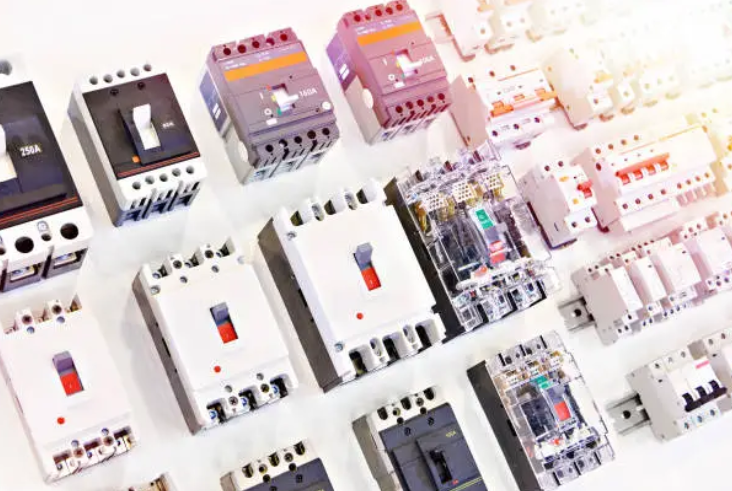
In solar installations, DC MCCBs are the first devices used in the overcurrent, short-circuit and fault protection of the solar system’s DC circuits. Unlike standard AC MCCBs, DC MCCBs protect against arcing and high DC voltage stresses.
In large scale photovoltaic systems, where string DC voltages exceeding 1000V and up to 1500V are commonplace, DC MCCBs offer controlled interruption and isolation of the circuit during fault conditions. The primary functions of MCCBs include DC overcurrent protection, where damage to the system and circuits is avoided during excessive current flow; DC short-circuit protection, where rapid circuit disconnection occurs to prevent the failure of the entire system during fault conditions; and safe maintenance, where manual isolation is facilitated during service and system inspection.
DC MCCBs, when used alongside rapid shutdown switches, improve maintenance of electrical safety and response times during emergencies, assisting system installers and operators in meeting the global PV safety standards.
The Role of Rapid Shutdown Switches in PV Safety
Advancements in safety codes, particularly regarding firefighter safety, have made rapid shutdown switches a requirement in various solar markets, and for good reason. These devices have one magnificent goal: shutting down PV circuits, no questions asked, during emergencies and maintenance.
Installed near solar arrays and building entry points, rapid shutdown switches ensure voltages are safe (generally below 30V) and harmless within a matter of seconds. This feature ensures 1st responders and maintenance personnel are safe during emergencies and routine maintenance.
Shutdown devices also:
- Control solar panels or string arrays.
- Achieve compliance with international fire safety standards, such as NEC 690.12 in the U.S.
- Minimize risk of system faults, disconnections, and ensuing arcing and heat.
Rapid shutdown switches and DC MCCBs in conjunction in a PV system offer fault-level protection and emergency response readiness in a system, ultimately providing the dual safety layer needed for commercial and industrial project operational excellence.
The Importance of Integrating DC MCCB and Rapid Shutdown Devices
When it comes to large-scale PV projects, the combination of dc mccb and rapid shutdown devices streamlines safety and optimizes performance. Each component focuses on a different component of PV system protection, and together they create a synergistic effect.
A DC MCCB addresses the fault isolation at the circuit level, and rapid shutdown switches perform system-wide emergency voltage reduction. These elements together:
- Offer a multi-layered safety net for operational fault, maintenance risk, and emergency shutdown scenarios.
- Elevate safety beyond the bare minimum, assisting in compliance with region-specific safety and solar installation code.
- Increase system uptime and reliability by tackling power generation disruptions caused by minor system failures.
- Support the design modularity of the PV system, especially for solar installations on commercial roofs, industrial sites, and utility-scale arrays.
This risk-integrated approach provides system designers, solar EPC contractors, and solar equipment distributors with a robust, reliable, and regulation-friendly solution to long-term maintenance.
Integration Considerations for B2B Solar Projects
In B2B solar applications—particularly utility, industrial, and commercial-scale solar installations—integrating and devising these protection devices involves meticulous planning. Here are the recommended starting points for guidance in assisting your planning.
- System Voltage and Current Rating
The DC MCCB and rapid shutdown switch must be rated for the system maximum voltage and current. Overspecifying a rating increases cost, while underspecifying a rating increases the likelihood of early failure.
- Environmental Durability
PV equipment encounters the severest operating conditions outdoors. Both components will require UV resistance, high IP rating, and high temperature and humidity resistant materials.
- Coordinating Controls and Electrical Architecture
Integration must include the inverter communication protocols and the complete electrical architecture. This guarantees seamless and accurate fault detection for shutdown activation.
- Compliance and Certification
Devices must comply with and be certified to nomenclature such as IEC 60947-2 for circuit breakers and shutdown safety codes relevant to UL 489B and EN 50521.
- Eas of Integration
Less complex wiring and modular mounting systems will lead to overall reduced integration and servicing time. This becomes most critical where large scale systems with hundreds of string circuits are used.
Aligning these parameters allows solar EPCs and project developers to finish installations that accomplish performance objectives while maintaining maximum safety and compliance.
The Future of PV Safety with Integrated Protection Systems
Advancements in solar technology prompt the redesign of systems to be smarter and safer. The merger of DC MCCB and rapid shutdown devices is moving from basic hardware integration to intelligent protection systems, which include:
- Smart monitoring that provides real-time updates through IoT or SCADA systems.
- Automated fault diagnostics which can detect abnormal current or voltage.
- Hybrid protection that combines circuit interruption and solid-state switching.
- Compact and modular design that can support distributed and hybrid energy systems.
- State-of-the-art protection products that incorporate precise design, digital technology integration, and engineered for extreme longevity. BENY New Energy continues to advance the industry by creating these systems. Their engineered systems provide advanced versatility to meet the protection needs of B2B partners including EPCs, solar installers, and solar distributors.
The innovations are enhancements to solar safety unified protection architectures. MCCBs, disconnects, fuses, and rapid shutdown systems integrate to anticipate and mitigate threats, ensuring proactive safety measures.
Conclusion: Achieving Ultimate PV Protection
The safety and reliability of PV systems in the solar B2B market are competitive and mandatory. It’s a business imperative. Having DC MCCB and rapid shutdown switches, gives the ideal balance of protection against fault and emergency, while maintaining legal compliance.
This integrated approach, when properly executed, minimizes downtime and maintenance, while protecting assets and aligning with global safety standards.
BENY New Energy and others are vertically integrating and advancing way beyond the track boundaries of PV protection systems and assisting clients in the development of solar systems that are safer, more intelligent, and more efficient, to streamline the PV systems.
The strategic adoption of these advanced protection systems will unlock the full potential of solar energy systems for project developers, system integrators, and solar equipment suppliers.