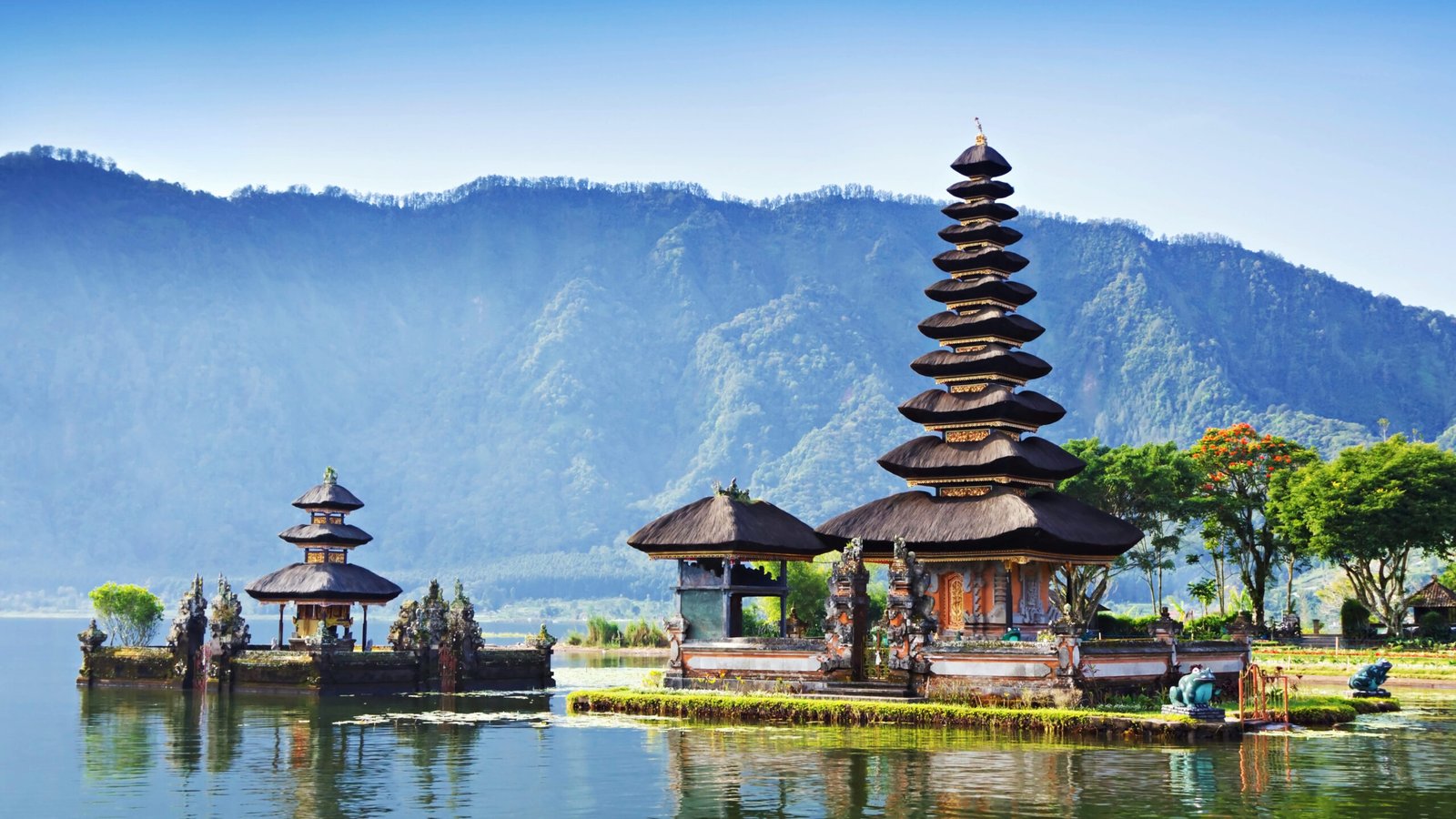
Tourism to Bali has grown almost every year since the early 2000s. The underlying demand driver hasn’t changed: Bali offers a combination of natural beauty, cultural depth, and hospitality infrastructure that is genuinely difficult to replicate. No other destination in Southeast Asia has managed to occupy the same position in the global imagination, and several have tried.
That persistent demand is what makes property here behave differently from most emerging market real estate. In most high-growth destinations, values surge and then stall once infrastructure catches up with speculation. In Bali, demand has continued to outpace supply in the areas that matter most and the supply-side constraints are structural, not temporary.
Zoning rules, land availability, and local cultural protections limit how much can be built and where. Bali is not going to develop its way out of scarcity. For investors who understand what that means, it is a significant part of the appeal.
The investment case breaks broadly into two categories: capital appreciation and yield. Both are available in Bali, but they tend to sit in different parts of the market and suit different kinds of investors.
Capital appreciation has historically been strongest in areas where international long-stay demand concentrates such as Canggu, Seminyak, Ubud, and increasingly Pererenan and Kedungu as the western corridor matures. Land values in these corridors have appreciated significantly over the past decade. Those who bought early and held have done well. Those considering entry now are buying into a market that is more expensive than it was but also more liquid, more transparent, and considerably better understood by international buyers.
Yield is where the picture gets more nuanced. Bali’s short-term rental market such as villas let to tourists on weekly or monthly terms has produced strong gross yields for well-located properties managed competently. The key word is competently.
The gap between a well-run villa operation and a poorly run one is substantial, and many first-time investors underestimate the operational demands involved. Management fees, maintenance costs, seasonal occupancy swings, and platform commissions all compress the net figure considerably from the headline gross.
For investors who prefer a simpler income structure, the long-term residential rental market offers a more predictable return profile. Demand for quality housing from the island’s growing professional resident population.
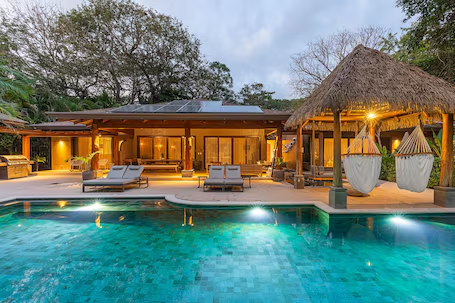
Remote workers, entrepreneurs, executives on extended postings have been rising steadily. Those looking to understand what the residential rental market looks like from a tenant’s perspective will find that options for a house for rent in Bali span a broad range of price points and areas, which gives investors useful context for where their own assets would sit competitively.
On the ownership side, the legal framework for foreign nationals requires careful attention. Indonesia does not permit outright freehold ownership by non-citizens, but there are established structures such as leasehold arrangements, nominee structures, and PT PMA company ownership that international investors use to hold property legally.
Getting this right matters enormously. Corners cut at the acquisition stage have a way of creating expensive problems later. The market for a house for sale in Bali is active and increasingly well-serviced by agents and legal professionals who understand the international buyer’s requirements but due diligence remains non-negotiable.
The broader point is this: Bali rewards investors who treat it seriously. It has little patience for those who buy on impulse, skip the legal groundwork, or assume the island will do the work for them.
For those who do the work, the track record speaks clearly enough. The island keeps paying its investors back. It has done so through disruptions that would have collapsed thinner markets. And the structural reasons behind that resilience have not gone away.
That tends to matter more than whatever the trend cycle says this year.