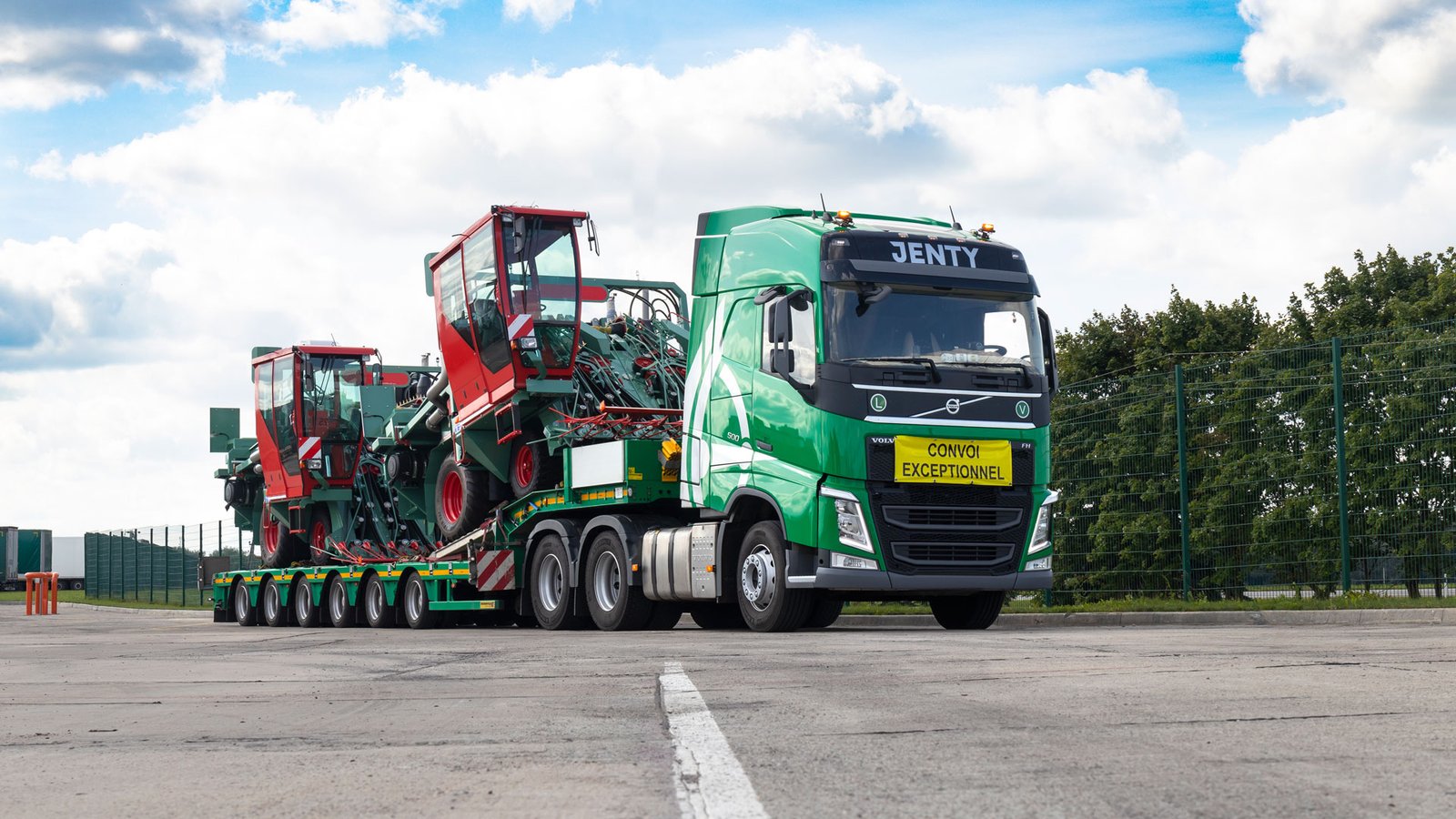
Have you ever wondered what goes into safely transporting oversized and industrial equipment? It’s no small task. The process demands meticulous planning, precise execution, and a deep understanding of safety regulations.
Whether you’re moving heavy machinery, construction equipment, or specialized tools, the safe and efficient transport of these items is essential not just for protecting the equipment but also for ensuring the safety of everyone involved.
In this article, we’ll explore the top safety practices that help companies navigate the complexities of transporting oversized and industrial equipment, ensuring successful and secure deliveries every time.
Key Challenges in Transporting Oversized Equipment Safely
Transporting oversized equipment presents unique challenges. These challenges include managing the size and weight of the equipment, ensuring it is secured properly, and navigating roads that may not be equipped to handle such loads. Oversized equipment, by definition, exceeds the typical dimensions for standard transport vehicles and requires specialized vehicles, permits, and expertise. Additionally, these transports often involve intricate logistics that require careful coordination, from the origin point to the destination.
The primary goal is to minimize risks and delays while maintaining the equipment’s integrity during transport. By adhering to best practices, companies can ensure the equipment arrives safely and on time, avoiding accidents, fines, and unnecessary downtime.
Securing Permits and Planning Routes for Oversized Equipment Transport
Before transporting oversized equipment, proper planning is essential. This includes obtaining the necessary permits and understanding any route restrictions or road conditions that could affect the transport process. In many jurisdictions, transporting oversized loads requires special permits that outline specific requirements, such as route restrictions, time-of-day travel, and the need for pilot cars or escorts.
Working with logistics professionals who are familiar with these regulations is key. Advanced planning involves scheduling transport during non-peak traffic hours to reduce the risk of delays and accidents. It also allows time for securing appropriate escorts, ensuring compliance with weight limits, and adjusting routes to avoid bridges, tunnels, or roads that cannot support the load.
Selecting the Right Equipment for Safe Transport
Choosing the proper vehicle for oversized equipment transport is crucial. The transport vehicle must be capable of supporting the weight and dimensions of the load. For example, flatbeds, lowboys, and specialized trailers are often required for oversized loads.
In addition, the use of proper tie-down equipment is essential. Straps, chains, and ratchets should be of sufficient strength to secure the load and prevent shifting during transport. Ensuring the equipment is properly centered and evenly distributed across the vehicle helps avoid damage to both the equipment and the vehicle.
The Role of Escort Vehicles in Safe Transport
For particularly large or heavy loads, escort vehicles, also known as pilot vehicles, are often required. These vehicles travel ahead of and behind the load to provide guidance and ensure the path is clear of obstacles. Escort vehicles can also communicate with traffic authorities to manage road closures, lane adjustments, and overall traffic flow.
Escort vehicles are essential in ensuring that the transport follows the correct route and remains within legal dimensions and weight limits. They also provide an additional layer of safety by alerting nearby vehicles to the oversized load.
Thorough Inspections Before Transport
Before embarking on transport, thorough inspections of both the load and the transport vehicle are essential. This includes checking the condition of the tires, lights, brakes, and suspension systems. Any malfunction could jeopardize safety, so ensuring everything is in good working order is critical.
Additionally, inspect the equipment being transported for any potential damage that could worsen during transport. Properly securing the equipment before departure helps prevent shifting, tipping, or other forms of damage.
Clear Communication Throughout the Process
Effective communication is vital when transporting oversized and industrial equipment. From the driver to the logistics team, clear communication ensures that everyone is aware of the route, any road closures, and specific instructions related to the equipment’s handling.
On-site communication is equally important. If the transport involves navigating a construction site or unloading in a busy industrial area, coordinating with site managers ensures a smooth arrival and unloading process. Safety protocols should be established and communicated to all team members involved in the transportation process.
Adhering to Safety Regulations for Oversized Loads
Heavy equipment transport is governed by specific safety regulations. These regulations cover vehicle weight, load dimensions, and the use of safety flags, lights, and reflective markings. It’s critical to follow all local, state, and federal regulations to avoid penalties and ensure safety.
Oversized loads must also adhere to specific speed limits, particularly on highways and residential streets. Drivers must be well-trained and experienced in handling large loads, understanding the risks involved, such as wider turns, restricted visibility, and the challenges of stopping a heavily loaded vehicle.
Weather Conditions and Their Impact on Transport Safety
Weather conditions can significantly affect the safety of transporting oversized loads. Rain, snow, or high winds can create hazards that make driving more difficult or even unsafe. It’s important to monitor weather forecasts closely and adjust transport schedules accordingly. If conditions are too dangerous, delaying the transport is the safest option.
Additionally, extreme temperatures can impact the integrity of both the equipment and the vehicle. Hot weather may cause tires to overheat, while freezing temperatures may lead to issues with equipment handling or traction.
Best Practices for Safe Oversized Equipment Transport
To ensure smooth, efficient, and safe transport of oversized equipment, keep the following best practices in mind.
1. Plan for Delays
Oversized loads are prone to delays due to factors like road closures or adverse weather. Build extra time into your schedule and prepare contingency plans for unexpected events.
2. Routine Inspections
Regularly inspect the transport vehicle and equipment before each trip. Consistent checks help prevent malfunctions and minimize delays.
3. Training for Drivers and Personnel
Ensure drivers and logistics personnel are well-trained in handling oversized loads. Proper training in hazard awareness, load securing, and emergency procedures enhances overall safety.
Safely Transporting Oversized Equipment
Transporting oversized and industrial equipment requires careful attention to safety. By following best practices, such as proper planning, selecting the right equipment, using escorts, and adhering to safety regulations, companies can ensure safe and efficient transport.
As demand for oversized equipment grows across industries, prioritizing safety and efficiency in transport will continue to be essential. By staying informed about regulations and safety standards, companies can avoid accidents and delays while ensuring that operations run smoothly.
Frequently Asked Questions
What permits are needed for transporting oversized equipment?
Oversized equipment usually requires special permits specifying route, travel time, and weight limits. Working with logistics experts ensures compliance.
How do I secure oversized equipment during transport?
Use strong tie-downs like chains and straps to secure the load. Properly distributing the equipment across the vehicle helps maintain stability.
Why are escort vehicles necessary for oversized equipment transport?
Escort vehicles guide the transport, manage traffic, and ensure safe navigation of oversized loads, alerting others to the load and clearing obstacles.