Effective land care is crucial for both aesthetic appeal and environmental health, making the choice of vegetation management equipment paramount. These tools not only simplify the maintenance task but also enhance productivity and ensure sustainable land management practices.
Understanding Vegetation Management
Vegetation management involves the control and maintenance of plant growth to meet specific land use and conservation goals. This includes clearing land for agriculture, maintaining landscapes, and ensuring that natural vegetation supports biodiversity. Efficient management helps prevent soil erosion, manage weeds, and supports ecological balance.
Essential Equipment for Vegetation Management
1. Brushcutters and Trimmers
Brushcutters and trimmers are indispensable tools in vegetation management. They allow precision cutting around obstacles and uneven terrain where larger equipment cannot reach. Ideal for managing small spaces or intricate landscape elements, these tools help maintain an orderly appearance.
2. Mowers and Mulchers
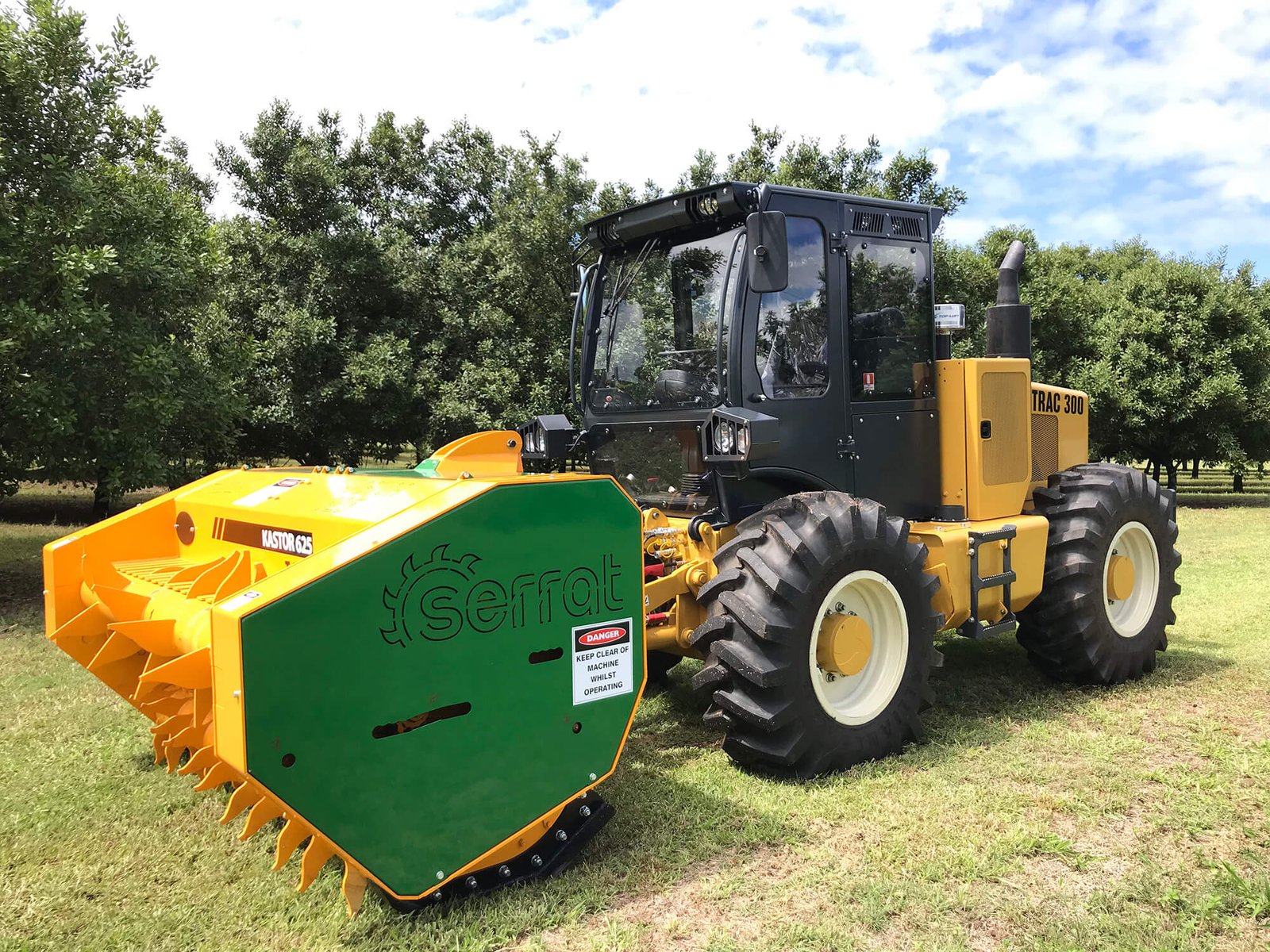
Mowers, including ride-on and push versions, are crucial for cutting large grass areas efficiently. Mulchers, on the other hand, are effective in breaking down plant matter, returning nutrients to the soil, and reducing waste. Together, they form the backbone of any vegetation management strategy by promoting healthy plant growth and soil health.
3. Wood Chippers
For handling branches and larger plant debris, wood chippers are necessary. They reduce bulk waste into manageable wood chips suitable for mulch or easy disposal. Chippers contribute to eco-friendly waste management by recycling natural materials back into the environment.
Innovations in Vegetation Management Equipment
The field of vegetation management is continually evolving with technological advancements. Modern tools now often feature enhanced ergonomics, increased power, and improved efficiency. These innovations reduce operator strain and broaden the scope of achievable tasks, ensuring more land can be managed with less effort.
4. Remote-Controlled Mowers
One of the latest advancements is the remote-controlled mower. This technology allows for the safe and efficient maintenance of difficult or hazardous terrains. These mowers are often equipped with GPS systems, increasing precision and coverage.
Choosing the Right Equipment
Selecting the correct equipment depends heavily on the specific requirements of the land being managed. It is crucial to consider factors such as terrain type, the extent of vegetation, and environmental impact when making decisions. Consulting with specialists can provide guidance tailored to individual land care needs.
The Role of Professionals
Engaging with professionals in vegetation management can lead to better outcomes. These experts offer invaluable insight into best practices and equipment suitability. For instance, International Mowers Pty Ltd provides a range of solutions and advice for diverse land care challenges.
5. Hand Tools
While heavy machinery is essential, hand tools play a significant role in detailed work and smaller areas. Tools like pruning shears, saws, and hoes allow for targeted efforts that machines cannot match, maintaining the finer aspects of vegetation management.
6. Safety Considerations
Safety is paramount when handling any vegetation management equipment. Proper training and adherence to safety protocols can prevent accidents. Protective equipment such as gloves, goggles, and helmets should always be utilized to protect the operator.
Environmental Impact
Modern equipment is designed to minimise environmental disruption. Features such as reduced emissions, noise levels, and fuel consumption help align vegetation management practices with eco-friendly standards, ensuring sustainable development.
Conclusion
The right vegetation management equipment is essential for effective land care. With the ongoing advancements in technology, land managers have access to tools that not only enhance efficiency but also support sustainable practices. Selecting the right equipment can make a significant difference in maintaining healthy landscapes and promoting a balanced ecosystem.