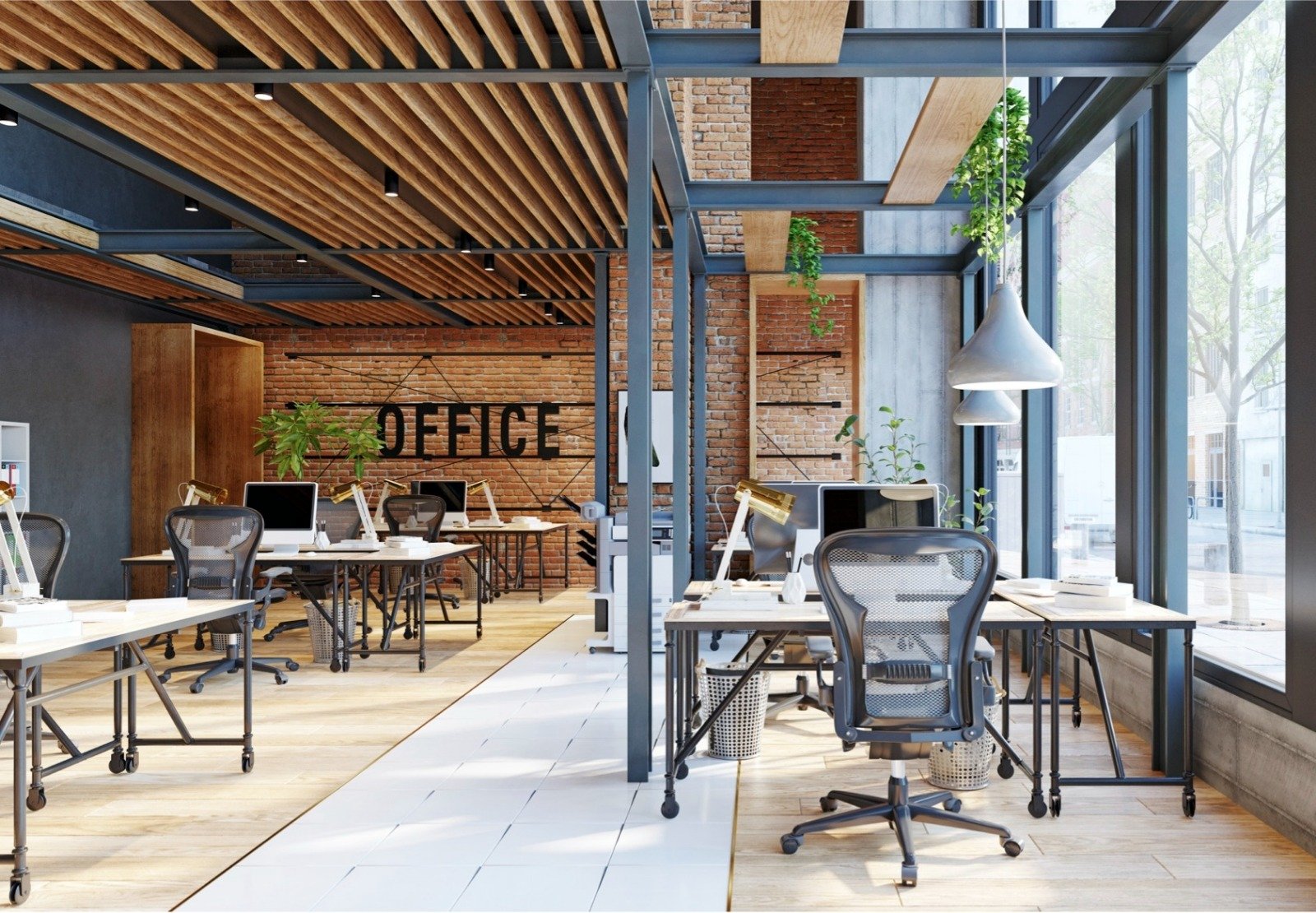
The concept of Turnkey workshop design has revolutionised how professional spaces are conceptualised and executed. A turnkey solution offers a comprehensive package that encompasses planning, designing, and implementing innovative workshop facilities. This all-in-one approach ensures seamless integration of various elements, providing clients with operational spaces ready for immediate use.
Understanding Turnkey Workshop Design
Turnkey workshop design refers to a process where a service provider manages the entire lifecycle of designing and constructing a workshop facility. This process includes initial consultations, architectural design, installation of equipment, and final handovers. Such solutions guarantee that the client receives a completed project that is fully equipped and ready to function.
The Importance of Comprehensive Planning
One of the key benefits of employing expert turnkey solutions is the emphasis on meticulous planning. Detailed planning is essential as it helps identify potential challenges early in the project timeline, thereby preventing costly delays or modifications. With turnkey solutions, clients benefit from a strategic roadmap which outlines every phase from concept to completion.
Incorporating State-of-the-Art Technology
Incorporating advanced technology is a hallmark of proficient turnkey workshop design. By utilising cutting-edge tools and software, designers can create simulations and models which reflect the final operational workspace. Technology also aids in streamlining construction processes, ensuring precision and efficiency in project execution.
Customisation for Maximum Efficiency
Customisation is a pivotal aspect of a turnkey solution. However, it does not only mean tailoring design aesthetics. It also involves optimising the layout to enhance workflow and productivity. The strategic placement of equipment and utilities based on client-specific processes can significantly impact the overall efficiency of workshop operations.
Sustainability As a Core Principle
Modern turnkey workshop design often incorporates sustainable practices. Architects and engineers prioritise environmentally friendly materials and energy-efficient technologies to minimise the ecological footprint. A well-designed sustainable workshop not only supports environmental goals but can also reduce operational costs long-term.
Streamlined Project Management
Turnkey solutions simplify project management. With a single point of contact managing all aspects—from contracting to construction—clients are relieved from the complexities of coordinating multiple suppliers and contractors. This leads to improved communication, accountability, and adherence to timelines.
Cost-Effectiveness of Turnkey Solutions
Contrary to perceiving turnkey projects as expensive, they are often cost-effective in the long run. By consolidating services, clients benefit from economies of scale, and the risk of unexpected expenses is reduced due to predefined budgets. Additionally, the reduced project duration decreases the likelihood of unforeseen financial burdens.
Ensuring Compliance and Safety Standards
Another advantage of turnkey solutions is that they inherently address compliance with industry regulations and safety standards. Service providers are well-versed in these regulations and ensure all elements of the workshop design meet legal requirements. This helps clients avert potential legal issues and ensures employee safety.
The Role of Expertise and Experience
Successful turnkey workshop designs leverage the expert knowledge and experience of seasoned professionals. Their expertise enables them to anticipate and mitigate risks, foresee future needs, and implement best practices to deliver high-quality results. Their insights can provide a competitive edge by maximising the utility and longevity of a workshop space.
Unpacking the Turnkey Process
The turnkey process typically follows a structured approach, starting with an assessment of client needs and progressing through design, approvals, construction, and commissioning. Each phase requires precise coordination and collaboration among diverse teams, ensuring the final outcome meets client expectations and quality standards.
Flexibility to Adapt to Market Changes
Turnkey workshop solutions offer clients the advantage of flexibility. Market demands and technology are continually evolving, and workshops need to adapt quickly. Turnkey solutions can integrate flexible designs that allow workshop spaces to evolve without significant structural changes or disruptions to operations.
Quality Assurance and Final Inspections
Quality assurance is integral to the turnkey approach. Continuous monitoring and final inspections ensure that all aspects of the project adhere to agreed specifications and standards. This rigorous quality check before handover guarantees that clients receive a space that meets or exceeds their initial expectations.
Future-Proofing Workshop Spaces
Future-proofing is crucial for contemporary workshops. Turnkey solutions incorporate strategies that ensure that workshop spaces remain relevant and functional over time. This could include the provision for technological upgrades or space reconfiguration to accommodate future equipment or workflow changes.
Choosing the Right Turnkey Partner
Selecting the right service provider is critical to the success of a turnkey project. A suitable partner should have a proven track record, extensive industry knowledge, and a comprehensive portfolio demonstrating their capabilities in delivering complex workshop designs. Collaborative partnerships are key to achieving client satisfaction and project success.