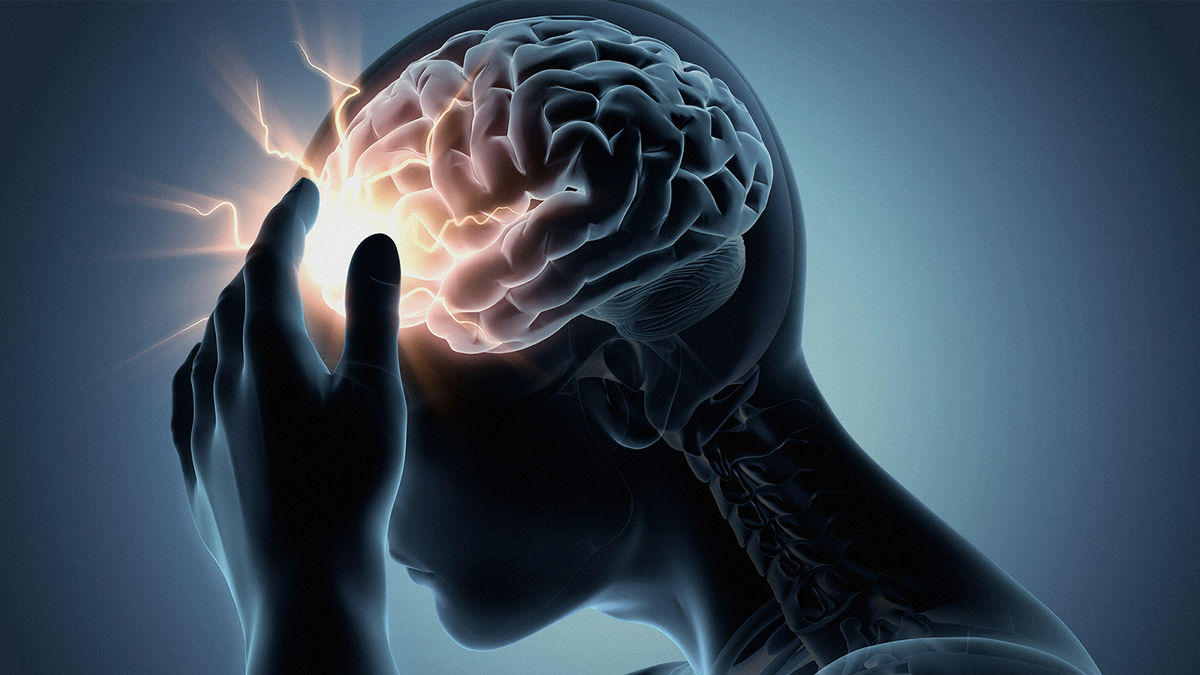
Head injuries can be scary and confusing. A traumatic brain injury (TBI) happens when the brain is hurt by a strong hit or jolt. In this blog, you’ll learn about TBI symptoms, causes, and what to watch for in yourself or loved ones.
Keep reading to protect your health and understand TBI better!
What is a Traumatic Brain Injury (TBI)?
A Traumatic Brain Injury (TBI) happens when a sudden hit or jolt harms the brain. This can occur during car accidents, falls, or sports injuries. TBIs range from mild concussions to severe brain damage.
Mild cases may cause short-term issues like confusion. Severe TBIs can lead to long-lasting problems with thinking, memory, and movement. If you need legal help after such incidents, a traumatic brain injury lawyer in Ontario might assist you.
Symptoms of Traumatic Brain Injury
Traumatic brain injury can cause many symptoms. These signs may differ based on how severe the injury is and who it affects.
Mild TBI Symptoms
A mild traumatic brain injury (TBI) can happen after a hit or jolt to the head. Symptoms may not appear right away but can show up within days.
- Headaches are common and often feel dull or persistent.
- Dizziness or feeling off-balance can happen frequently.
- Nausea or vomiting might occur shortly after the injury.
- Blurred vision may make it difficult to focus on objects.
- Sensitivity to light or noise is another frequent symptom.
- Fatigue or drowsiness could make daily tasks harder to manage.
- Trouble sleeping or sleeping more than usual might follow the event.
- Feeling confused, dazed, or mentally foggy often appears after a head impact.
- Difficulty remembering new information could arise shortly after the incident.
- Mood changes such as irritability, anxiety, or sadness may develop over time.
These symptoms are key signs to watch for if you suspect a TBI has occurred in someone close to you! Moderate and severe TBIs can have even more serious effects, which we will discuss next!
Moderate to Severe TBI Symptoms
Moderate to severe TBI can cause serious problems. These symptoms affect the body, mind, and emotions.
- Loss of consciousness lasts from minutes to hours.
- Persistent headaches that worsen over time occur.
- Vomiting or nausea happens repeatedly.
- Seizures or convulsions may develop.
- Clear fluids drain from the nose or ears in some cases.
- Balance and coordination may weaken noticeably.
- Slurred speech can appear suddenly or gradually worsen.
- Weakness or numbness affects fingers, toes, or limbs on one side of the body often.
- Confusion, agitation, or unusual behavior increases significantly.
- Difficulty waking up from sleep becomes evident and problematic.
These signs need quick medical care for proper treatment and recovery steps ahead for severe cases!
Symptoms in Children
Children with traumatic brain injuries may show different signs than adults. It is vital to watch for changes in their behavior or health.
- Crying more than usual can be a warning sign, especially in babies or toddlers.
- Lack of interest in playing with toys or engaging in activities may occur.
- Difficulty sleeping or sleeping much more than normal can appear.
- Vomiting repeatedly might signal an issue after a head injury.
- Poor focus or trouble concentrating at school could develop over time.
- Unexplained irritability and mood swings sometimes follow a head trauma event.
- Eating less or refusing food could indicate discomfort caused by the injury.
- Seizures are a serious symptom and should be checked immediately.
- Balance problems, such as stumbling frequently, might arise.
- Slurred speech or difficulty talking clearly could also be observed.
Causes of Traumatic Brain Injury
Traumatic brain injuries can happen from accidents, falls, or strong hits to the head.
Common Causes of TBI
A Traumatic Brain Injury (TBI) occurs when the brain gets hurt from an external force. It can happen to anyone and has many different causes.
- Falls cause most TBIs, especially in children and older adults. Slipping on wet floors or tripping on stairs are common examples.
- Car accidents often lead to TBIs. The head may hit the dashboard, steering wheel, or window.
- Sports injuries can also cause these brain injuries. Contact sports like football and boxing are higher risk, so you always need to think about protection when playing sports.
- Violence is another cause, including gunshot wounds or physical attacks. Domestic abuse sometimes leads to TBI.
- Explosions are a major reason for TBIs in military members. The blast waves affect the head and brain even without direct impact.
- Being struck by objects can harm the brain too. Items falling from a height or being hit by tools are examples.
- Bike accidents without helmets often result in head trauma. This risk increases with traffic collisions.
- Workplace injuries contribute to TBI cases too. Construction sites hold higher risks due to heavy equipment and dangerous falls.
Risk Factors for TBI
Certain factors can increase the chances of experiencing a traumatic brain injury. Knowing these risks helps to stay cautious and protect yourself.
- Falls are a leading risk factor, especially for older adults and young children. They often happen at home or on stairs.
- Sports activities like football, boxing, or hockey raise the risk of head injuries. Contact sports have a higher chance of collisions.
- Car accidents cause many TBIs every year in the United States. Lack of seatbelt use worsens this risk.
- Military personnel in combat zones face greater risks due to blasts and explosions. These environments increase exposure to high-impact injuries.
- Alcohol use can impair judgment and coordination, making falls or other accidents more likely. It is a common factor in many TBI cases.
- Previous TBIs make people more vulnerable to another one. The brain may not fully recover from earlier injuries.
- Unsafe workplaces with falling objects or poor safety measures add risks for workers. Construction sites are prime examples.
- Bike riders without helmets have higher chances of head injuries during accidents. Using proper gear greatly reduces risk.
- Reckless behaviors like speeding, climbing unsafe heights, or ignoring safety rules increase accident chances in daily life.
- Medical conditions such as seizures can lead to sudden falls that result in head trauma if precautions aren’t taken properly.
Complications of Traumatic Brain Injury
Traumatic brain injuries can lead to serious physical, mental, and emotional challenges.
Physical and Cognitive Complications
Physical and cognitive complications can happen after a traumatic brain injury (TBI). These issues may last for a short time or become long-term problems.
- Headaches may occur often and feel severe. They can last for weeks or months after the injury.
- Dizziness is common in people with TBI. It can make standing or walking harder.
- Seizures might develop soon after the injury or later on. They need medical attention right away.
- Balance problems may arise, causing difficulty moving safely. Physical therapy can help improve this issue.
- Memory loss happens frequently in TBI cases, affecting recent events more than old memories.
- Difficulty concentrating and focusing on tasks is a frequent challenge after TBI.
- Communication issues like trouble speaking clearly or understanding speech are common effects of brain injuries.
- Sensory changes, such as blurred vision or ringing in the ears, may persist over time.
- Sleep problems could include insomnia or sleeping too much, impacting daily life activities.
- Paralysis or muscle weakness might affect one side of the body, depending on the injury’s location.
These complications can disrupt daily routines and require treatment plans to manage effectively.
Behavioral and Emotional Changes
Traumatic brain injuries can change how a person feels, acts, or interacts with others. These changes can be hard to notice at first but may grow over time.
- Mood swings happen quickly and often without warning. A person might feel happy one moment and angry the next.
- Depression is common after TBI. This can include feeling sad, hopeless, or losing interest in favorite activities.
- Anxiety may develop or get worse with TBI. This includes constant worry or fear that does not go away.
- Impulse control problems make it hard to think before acting. A person might say or do things without considering the results.
- Increased aggression can occur in some cases. Someone might get upset faster or have violent outbursts.
- Social withdrawal is also a sign of emotional problems after TBI. They might avoid friends, family, or social situations they once enjoyed.
- Lack of motivation may lead to struggling with tasks at home, work, or school. Everyday routines feel harder to manage.
- Trouble recognizing emotions in others makes communication difficult for many people with TBI.
Complications from physical and cognitive issues often add more challenges to a person’s recovery journey.
Conclusion
A brain injury can change life in an instant. Knowing the symptoms and causes helps you act fast. Watch for warning signs in yourself or others. Early care can make a big difference.
Stay informed and protect your head always!