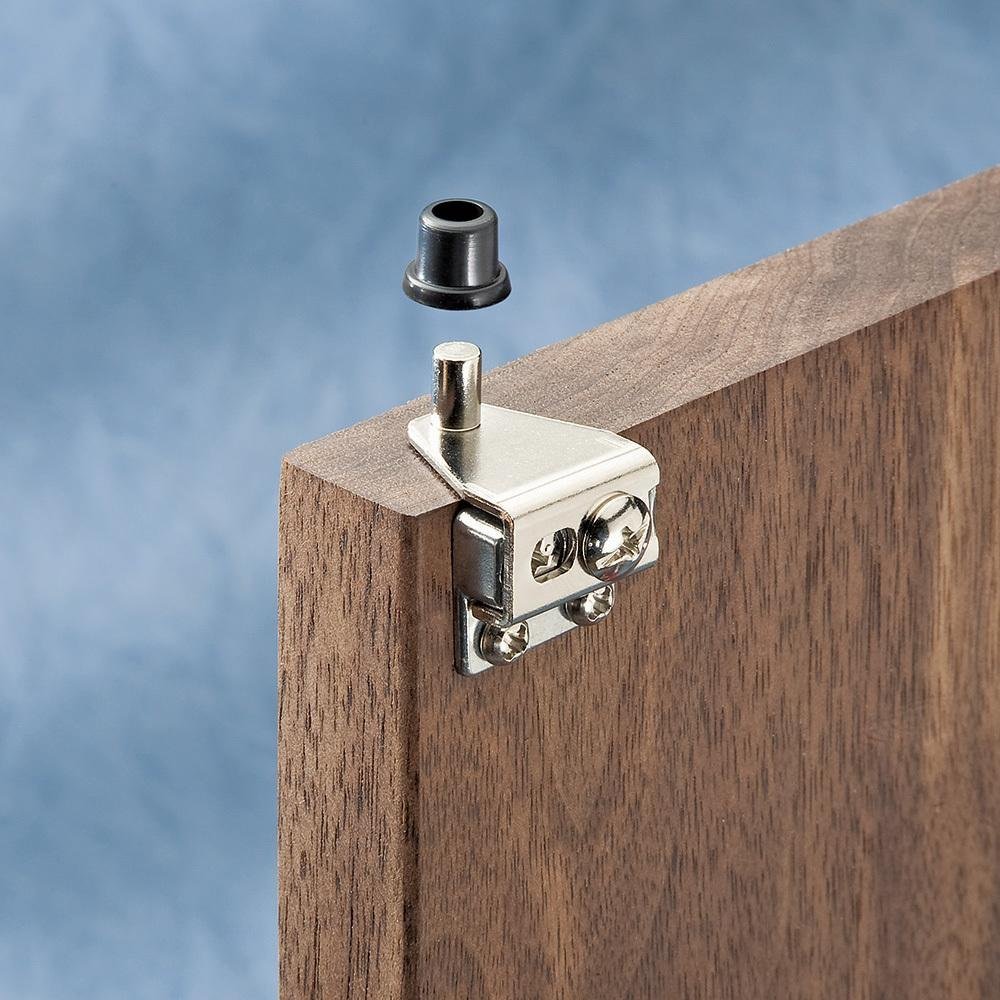
When it comes to modern architectural hardware, one particular element stands out due to its unique design and functional benefits: the pivot hinge. These hinges offer numerous advantages over traditional hinge types, making them a superior choice for architects and designers aiming to achieve both aesthetic appeal and enhanced functionality.
Understanding Pivot Hinges
Pivot hinges differ from standard hinges in the way they operate. Typically, these hinges are mounted at the top and bottom of a door, allowing it to pivot on a fixed point, rather than swinging on side-mounted hinges. This creates a seamless and elegant look, aligning perfectly with contemporary design trends.
Space Efficiency
One of the primary benefits of using pivot hinges is their space efficiency. Unlike traditional side-mounted hinges that require additional space for the door to swing, pivot hinges allow doors to rotate around a fixed axis, consuming less space. This feature is particularly advantageous in areas where space is limited, such as narrow corridors or compact living spaces.
Aesthetic Appeal
Pivot hinges contribute significantly to the aesthetic value of a structure. They enable doors to have a cleaner, more streamlined appearance without the visible hinge hardware that can distract from the overall design. This makes them ideal for minimalist and modern architectural styles, where clean lines and unobtrusive hardware are highly valued.
Enhanced Load-Bearing Capacity
Another notable advantage of pivot hinges is their ability to support heavy doors. Because they distribute the door’s weight more evenly and utilise the floor as a support, pivot hinges can handle much heavier doors than typical side hinges. This is an essential feature for commercial buildings or homes with large, decorative doors.
Improved Durability
The design of pivot hinges inherently enhances the durability of both the door and the hinge itself. By reducing the stress on the hinge and door frame that is common with side hinges, pivot hinges increase the longevity of the door mechanism, ensuring smooth operation over many years.
Variety of Designs
Pivot hinges are available in a range of designs and materials, offering versatility in both function and form. From concealed models that hide the mechanism entirely to exposed, decorative designs that enhance the door’s aesthetic, there is a pivot hinge solution to suit virtually any architectural requirement.
Safety and Stability
In addition to their aesthetic and functional benefits, pivot hinges provide enhanced safety and stability. As the door pivots on a central axis, it is less likely to swing wildly if caught by a gust of wind, reducing potential accidents. Moreover, this mechanism provides additional stability, keeping the door in alignment and preventing sagging over time.
Easy Installation
The installation process for pivot hinges can be relatively straightforward, especially compared to more complex door mechanisms. This ease of installation can result in cost savings on labour and materials, making pivot hinges a practical choice for many projects.
Suitable for Various Applications
Pivot hinges are not limited to traditional residential doors. They are suitable for a wide array of applications, including bi-fold doors, cabinet doors, and even glass doors. Their versatility makes them an attractive option for both residential and commercial projects, adapting seamlessly to different design needs.
Improved Acoustics
In environments where sound control is important, such as offices or recording studios, pivot hinges offer improved acoustic performance. Their design helps to provide a more substantial barrier, aiding in noise reduction and providing a quieter environment.
The Environmental Impact
Choosing pivot hinges can also be a more environmentally friendly option. As they contribute to the longevity of the door structure and require less material due to their minimalist design, they align well with sustainable building practices.
Cost-Effectiveness
While the initial cost of pivot hinges can be higher than standard hinges, their long-term benefits can result in cost savings. Their durability reduces the need for frequent replacements, and their influence on energy efficiency and maintenance can result in financial savings over time.
Conclusion
In conclusion, pivot hinges provide a multitude of benefits that make them an outstanding choice for modern architectural projects. By enhancing aesthetic appeal, improving functionality, and contributing to the structural integrity of doors, pivot hinges are a versatile and practical option for anyone looking to blend form with function effectively.