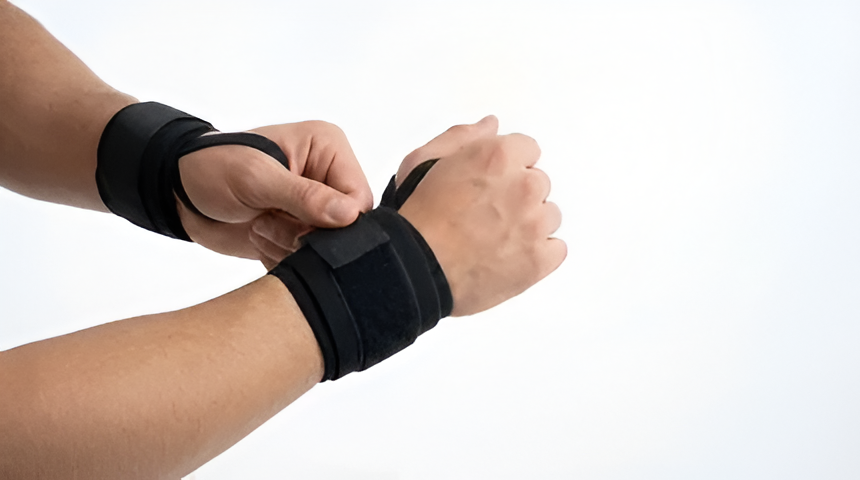
Designed to support and stabilize the wrist during heavy lifts, wrist wraps often have a mixed reputation for their performance. The most common problem with wraps is not the wraps themselves but how they are utilized. The slightest errors, whether in your positioning, tightness, or timing, can diminish their power and even create discomfort. Getting these common mistakes down will help enhance support and performance overall, making every workout more stable and safe.
Incorrect Sizing Choices
Winding wraps that are too short or too long can affect performance. Charity wrap shaves can also be a little short, cracked, and leave the wrist exposed. But overly long wraps may lead to bulk and an obstruction to movement. The proper sizing of the plates is important because it should still allow you to be comfortable and stable for any subsequent exercises.
When buying wrist wraps online, checking the length carefully can help you find a pair that offers the right balance of support and comfort.
Loose Wrapping Technique
Still others wrap their wrists as loosely as someone in the audience would to get a taste of comfort. However, loose wraps move with motion, not immobilizing the joint properly. Loose Wrists Are Always Exposed to Joint Stress or Injury. This technique ensures a secure yet comfortable fit, essential for optimal protection.
Overtightening the Wraps
Too much tightness cuts off circulation and causes pain. On the one hand, while a tight wrap is imperative, wrapping it too tightly can lead to loss of sensation in the hands. This error can even reduce the grasp energy. Protective but not suffocating, the middle ground is both reassuring and soothing.
Incorrect Wrap Placement
A wrap placed too high or too low on the wrist will reduce its effect on stabilization. Wraps that are used in an improper position do not lock down the joint at its weakest points. To provide optimal support in every repetition, the plate must be placed correctly, with the center of the weight aligned above the wrist joint. Alignment is key to avoiding needless stress.
Using Wraps for Every Exercise
There are only specific reasons to use them—mainly for heavy lifting or pressing. Constant use, whether for light sets or warm-ups, gradually reduces the wrist’s natural power, just like when wearing kinesiograph tape. Restricting their usage to only challenging lifts helps preserve the joint’s natural stability and range of motion.
Neglecting Maintenance and Cleaning
Wraps collect sweaty, bacteria-laden gunk during normal use, and without regular cleaning, there is a potential for impairment from this material. However, dirty wraps can irritate the skin or cause nasty odors. Hand washing followed by gentle air drying preserves the wraps and provides heightened protection to the skin. Dirty wraps feel less comfortable when in use, while clean wraps will feel less annoying to wear.
Ignoring Wear and Tear
Wrist wraps stretch out or become frayed over time. Used-up wraps do not give full support. When they are damaged, wraps may not work as intended, which is why regular inspection is key. This is also the main reason why, instead of wearing wraps until they disintegrate, replacing them as soon as they become significantly worn allows for ample protection of the wrists when training hard.
Not Learning Proper Wrapping Technique
Wrist wraps are Wu-Tang Wu-Tang Wu-Tang. Many people inappropriately use them. If wrapped incorrectly, it won’t support evenly or may cause injury. Refining technique through tutorials or asking experienced lifters for guidance helps. Correctly performed wraps work wonders, and knowing how to do them right is half the job done.
Conclusion
Wrist wraps provide the usefulness of support in more strength training or strenuous tasks. But they also require correct usage and maintenance to enjoy their benefits. Support wraps can only be beneficial up to a certain extent, as they function in a supportive rather than a corrective manner, and many people get it wrong in common ways (sizing too small, wrapping too tight, not maintaining the wrap).
Correcting these mistakes will provide a safer training environment and allow you to reap the full benefits of what wrist wraps are designed for. How you hold your saxophone, whether you inspect it regularly, and whether you use it the right way can help you have a healthy wrist and practice better.