It looks like a smart shortcut. The existing plaster seems solid enough. A fresh skim coat on top and the walls will look brand new. So why spend more time and money hacking it all off?
Here’s the problem. What you can’t see often matters more than what you can. Skimming over old plaster without proper assessment is one of the most common — and costly — mistakes homeowners make during renovation. The results don’t always show up straight away. But when they do, they’re expensive to fix.
What Does Skimming Over Old Plaster Actually Mean?
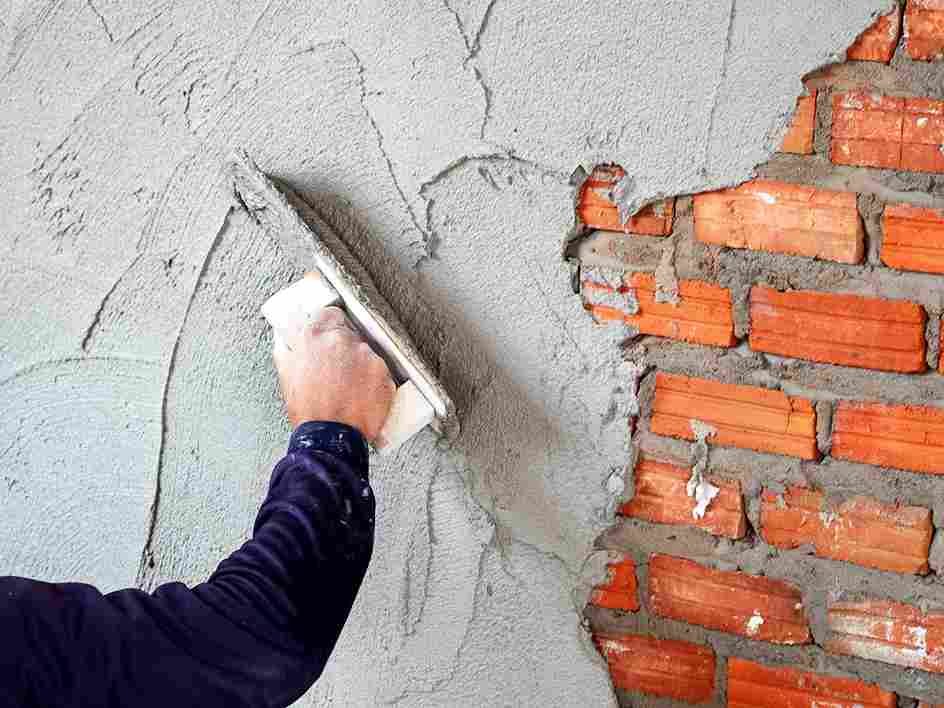
Skimming is the process of applying a thin finishing coat of plaster — typically 2–3mm — over an existing surface. Done correctly on a sound, properly prepared substrate, it produces a smooth, paintable finish.
The issue arises when that existing surface isn’t as sound as it looks. Old plaster — particularly lime-based plaster found in Victorian and Edwardian homes — can be bonded poorly to the underlying masonry. It may feel firm to the touch but have hollow pockets behind it. Tap it gently. Hear that drum-like echo? That’s a warning sign.
Applying fresh skim over compromised plaster doesn’t fix the problem. It buries it.
The Hidden Risks Beneath the Surface
Old plaster fails for several reasons. Understanding each one helps explain why a new skim coat can’t solve them.
- Suction problems. Old plaster that’s dry and porous will absorb moisture from fresh skim too quickly. The new coat dries unevenly. You get a patchy, powdery finish that won’t hold paint properly.
- Contamination from old paint. Layers of vinyl emulsion or oil-based paint can prevent the skim from bonding. New plaster won’t adhere to a sealed, non-porous surface. Hairline cracks and flaking become inevitable.
- Rising or penetrating damp. Moisture trapped behind old plaster has nowhere to go. Fresh skim traps it further. You might get a year’s reprieve before brown staining and bubbling make the problem impossible to ignore.
- Structural movement. Older properties move slightly as they settle. If the original plaster has already cracked due to structural shift, a thin skim coat will follow the same fault lines within months.
- Salts and efflorescence. Mineral salts migrate through masonry walls over time. When they reach the surface, they crystallise and push plaster away from the wall. Skimming over salts won’t stop them. They’ll work through the new coat just as they worked through the old one.
What Happens When It Goes Wrong?
The failure timeline varies. Sometimes the skim coat holds for a few months before cracking. In damp conditions, it can start failing within weeks. Either way, the outcome is the same: the work has to be redone from scratch.
Consider a typical mid-terrace house in a city like Norwich or Ipswich. Many of these properties date from the 1890s to 1930s and still have original lime plaster on the walls. A homeowner pays a plasterer to skim the living room ahead of a sale. It looks good for the photos. But within six months the new occupant is dealing with hairline cracks spreading across every wall.
The cost of replastering a standard living room — stripping back to the brickwork, applying bonding coat, and finishing — typically runs between £600 and £1,200, depending on room size and the condition of the substrate. That’s a significant price for a problem that could have been identified — and avoided — at the outset.
Is it worth risking double the work for the sake of skipping a proper assessment?
How to Tell If Old Plaster Is Suitable to Skim Over
A competent plasterer will carry out a basic survey before quoting. Here’s what they should be checking:
- The tap test — a hollow sound indicates de-bonding between the plaster and the wall behind it
- Checking for damp with a moisture meter — readings above 17% in plaster suggest active moisture movement
- Assessing surface contamination — old gloss paint, textured coatings, and wallpaper paste all need removing
- Looking for signs of salt crystallisation — white powdery deposits at skirting level or around window reveals
- Examining cracks for pattern — diagonal cracks from corners suggest structural movement; map cracking suggests surface shrinkage
If any of these issues are present, the right answer is never to skim straight over. It’s either to treat the underlying cause first, or to strip back and start again.
When Skimming Over Is Acceptable
This isn’t an argument against skimming altogether. Done properly, on a suitable surface, it’s an excellent and cost-effective solution.
Skimming over existing plaster is generally acceptable when:
- The substrate is dry, firm, and well-bonded throughout
- There is no history of damp or active moisture ingress
- The surface has been properly prepared — scrim tape applied to cracks, old paint abraded, and a bonding agent such as PVA or a specialist primer applied at the correct dilution
- The existing plaster is relatively modern — gypsum-based plaster from the 1970s onwards is far more predictable than earlier lime or sand-cement mixes
The preparation stage isn’t optional. It’s the difference between a job that lasts a decade and one that fails before the paint has dried.
The Question of Cost Versus Value
It’s understandable that homeowners want to keep costs down. A skim over existing plaster costs significantly less than a full strip and re-plaster. But the financial argument only works if the skim coat holds.
Think about it this way. A full replaster of a bedroom might cost £400–£700. A skim over existing plaster might cost £150–£300. The saving looks appealing. But if the skim fails after eight months, you’ve paid for two jobs instead of one — plus the disruption of having the room out of action twice.
There’s also the question of what you’re covering up. Damp problems don’t disappear because you’ve plastered over them. They worsen. Mould growth inside a wall cavity is a health concern, not just a cosmetic one. The NHS has linked persistent exposure to damp and mould to respiratory problems, particularly in children and older adults.
What would it cost to ignore a damp problem for another two years? The honest answer is usually more than the cost of dealing with it properly now.
How to Find a Plasterer Who Won’t Cut Corners
The problem isn’t only the decision to skim over old plaster. It’s who makes that decision. A less experienced tradesperson — or one pricing on speed — may not flag the risks. They’ll skim over a damp wall without a second thought because the quote looked competitive and the homeowner didn’t know to ask.
When getting quotes for plastering work, ask these specific questions:
- Will you carry out a moisture check before starting?
- What preparation will you do before applying the skim coat?
- What will you do if you find hollow plaster once you start?
- How long has the property been dry since any recent damp treatment?
A plasterer like Point Plastering will answer these questions confidently and specifically as they understand their trade. Vague answers are a red flag.
The Long View on Old Walls
Older properties are not problems to be disguised. They’re structures with character and history, built with materials that behave differently from modern construction.
Lime plaster, for example, is breathable by design. It allows moisture to move in and out of the wall without becoming trapped. Applying a non-breathable gypsum skim directly over it can upset that balance — particularly in older solid-walled properties with no damp-proof course. The result is moisture forced sideways and upwards, appearing as damp patches in places that were previously dry.
The best outcome for an old wall isn’t always the cheapest option on a quote sheet. It’s the approach that respects what’s already there and deals honestly with what isn’t working.
A skim coat can transform a tired room. But only if the wall underneath is ready for it. Take the time to find out. The cost of proper preparation is a fraction of the cost of doing the job twice.