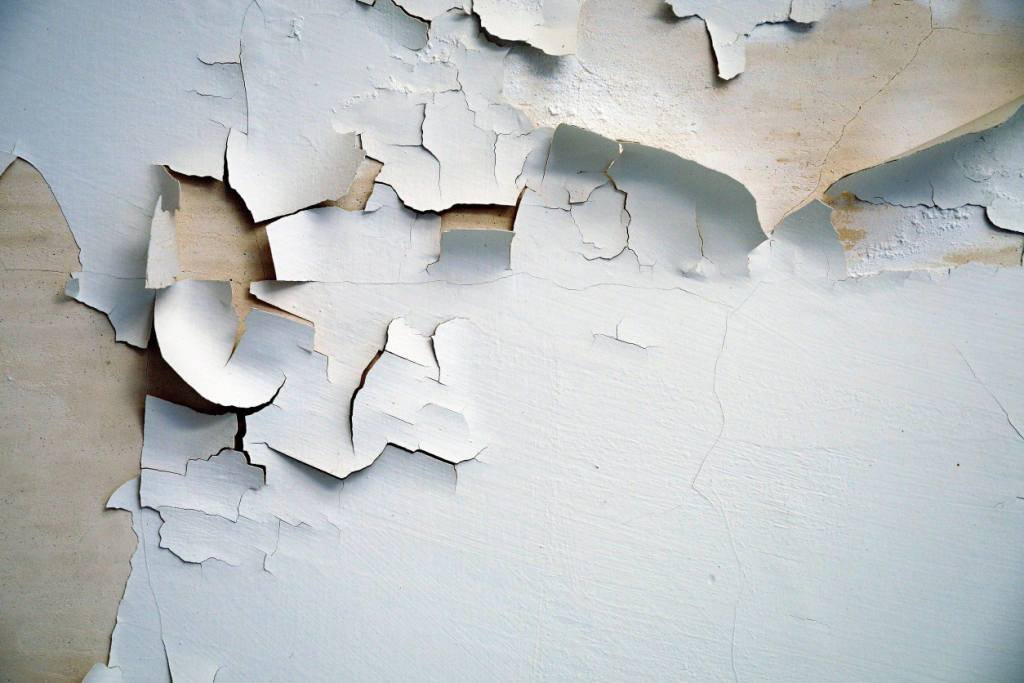
Renting a home often feels like a fresh start until small imperfections begin to show. One day, the walls look spotless, and the next, you notice thin flakes curling at the edges or a patch of colour slipping away.
It’s not a disaster, but peeling paint can make even a welcoming space look neglected, especially when moving out is on the horizon.
Why Paint Starts to Peel
Paint can peel for several reasons, many of which are beyond your control.
In older buildings, layers of paint may have been applied one over another, each ageing differently until cracks appear. Moisture is another common cause.
Steam from showers or poorly sealed window frames can loosen paint quickly, particularly in kitchens and bathrooms where damp air lingers.
Temperature changes can also lead to fine lines that flake over time. Sometimes the surface wasn’t prepared properly before painting, so the new coat fails to adhere.
Whatever the reason, peeling paint is usually a sign of natural wear rather than neglect. Normal wear and tear is expected in any tenancy, so you’re unlikely to be blamed unless you clearly caused the damage with something like tape, nails, or spills left untreated.
What to Do When You First Spot Peeling Paint
When you first notice a small patch of peeling paint, resist the urge to pick at it. A calm and practical approach is best.
Start by taking a few clear photographs in natural light. These will be useful later if there’s any question about responsibility.
Next, inform your landlord or letting agent. A friendly email describing what you’ve seen, along with your photos, is usually enough. Most landlords appreciate being told promptly, particularly if the issue relates to age or dampness.
In many cases, they’ll arrange for repairs at no cost to you.
If they don’t respond, send a polite follow-up after a week. Meanwhile, try to keep the area dry and well-ventilated.
Open windows after showers, wipe surfaces, and run an extractor fan for a few minutes. These small habits can prevent the peeling from spreading and protect the wall until it’s fixed. Think of it as short-term upkeep that keeps your space looking tidy and well cared for.
Should You Fix It Yourself?
It’s tempting to grab a paintbrush and sort it out, but think carefully before doing so. Most tenancy agreements forbid major repairs or decorating without written consent. Even repainting a wall could be classed as an alteration.
If the peeling is minor, ask your landlord whether you can touch it up. Some will accept the offer, but be sure to use the same paint type and colour. Mixing finishes can make the patch more noticeable than the damage itself.
Repainting properly takes preparation. You’ll need to clean the area, scrape off loose paint, sand the surface smooth, and apply a primer before painting.
Skipping these steps typically leads to more peeling later. If the wall feels damp or crumbly, stop there and report it. Covering up moisture or mould will only worsen the problem. It’s always better to fix the cause rather than the symptom.
Addressing Peeling Paint Before Handover
As your stay ends, peeling paint can become a concern. The question of whether it counts as wear or damage often arises during the end of tenancy cleanup, when the property’s condition is reviewed.
Light scuffing or small flakes usually fall under normal ageing and shouldn’t affect your deposit. If the walls have extensive peeling or marks from hooks or tape, you might need to discuss repairs.
The best approach is to inspect the affected areas before you move out, take updated photos, and let your landlord know.
If you decide to freshen up the property yourself, confirm this first. Using the wrong paint or colour can lead to disputes later. Some licensed cleaners offer gentle wall washing or patch repairs as part of move-out services, which may be easier than repainting.
Should your landlord insist on repainting after you leave, your photos will prove the wall’s condition when you moved out. Clear documentation helps prevent confusion about your deposit.
Keeping things open and cooperative avoids tension and ends the tenancy on good terms.
When It’s Time to Call the Professionals
Sometimes peeling paint signals a deeper issue. If you notice damp patches, bubbles, or a musty smell, there may be hidden moisture or mould.
Professional help is essential in these cases. Repainting won’t help if the plaster beneath remains wet.
Landlords are usually responsible for fixing structural or damp-related problems. If progress is slow, keep a record of your reports and any replies. This will help if you need to raise the matter later.
If you’re allowed to hire contractors, choose a reputable tradesperson familiar with older homes. They’ll identify whether the issue comes from condensation, plumbing leaks, or previous poor painting.
Once the cause is fixed, repainting will last longer and reduce future issues.
A skilled decorator can also match textures and finishes, keeping the repair invisible. It may cost more at first, but the result will be neater, longer lasting, and far more satisfying.
Keeping Your Rental in Good Shape
Small acts of maintenance make a big difference to how your home feels.
Simple habits such as wiping condensation from windows, airing rooms, or using extractor fans after a shower all protect paintwork. These easy steps help prevent moisture build-up that leads to peeling.
Seasonal changes are a good reminder to check your walls. Winter heating can dry the air and cause cracking, while summer humidity can loosen old paint. A quick check every few months prevents small problems from growing.
Keeping open communication with your landlord also helps. Reporting issues early shows you care about the property’s condition. Most landlords prefer early action to a large repair later. Staying attentive keeps your home pleasant and your deposit safe.
A well-maintained home not only looks better but also feels more comfortable and inviting throughout your stay.
Conclusion
Peeling paint in a rental is rarely serious. With good communication, patience, and the right balance between action and caution, it’s easy to manage.
By the time your tenancy ends, you’ll leave tidy walls, a happy landlord, and peace of mind knowing you’ve cared well for your home.