Defining Situational Awareness Beyond Basic Observation
Situational awareness is more than just seeing what’s happening. It’s about truly understanding it. Many people think it’s just about being aware of your surroundings, like noticing a car driving by. But real situational awareness goes much deeper. It involves processing that information, figuring out what it means in the bigger picture, and anticipating what might happen next. This is where ATAK training becomes important.
Think about it like this: seeing a car is observation. Understanding that the car is speeding, swerving, and heading towards a crowd is situational awareness. It’s the difference between knowing something is there and knowing what that something means for your mission or safety. ATAK helps bridge that gap.
True situational awareness requires a mental model of the environment, including potential threats and available resources. Without this, decisions can be based on incomplete or misunderstood information, leading to mistakes. ATAK training aims to build this deeper understanding.
The Multifaceted Nature of Real-Time Awareness
Real-time awareness isn’t a single thing; it’s a mix of many pieces of information coming together. It’s not just about seeing friendly forces on a map. It’s also about knowing where potential threats are, understanding the terrain, and tracking the movement of assets like drones or vehicles. ATAK training helps teams put all these pieces together.
This awareness is dynamic. The situation changes constantly, and what was true a minute ago might not be true now. Teams need to be able to adapt quickly. ATAK provides a platform where this constant flow of information can be seen and understood, allowing for quicker reactions.
Situational awareness is built from multiple inputs, processed quickly.
Leveraging Technology for Enhanced Understanding
Technology like ATAK is a game-changer for situational awareness. It takes data from various sources – maps, sensors, radios, even drone feeds – and displays it in a single, easy-to-understand format. This makes it much easier for teams to get a clear picture of what’s happening around them.
ATAK training teaches users how to effectively use these technological tools. It’s not just about knowing the buttons to push, but understanding how the technology can provide a better view of the operational environment. This leads to better decision-making and improved mission outcomes.
Technology, when used correctly through proper training, transforms raw data into actionable intelligence, significantly boosting a team’s ability to understand and react to their surroundings in real-time.
Core Capabilities Enhanced Through ATAK Training
Real-Time Data Integration for a Comprehensive Picture
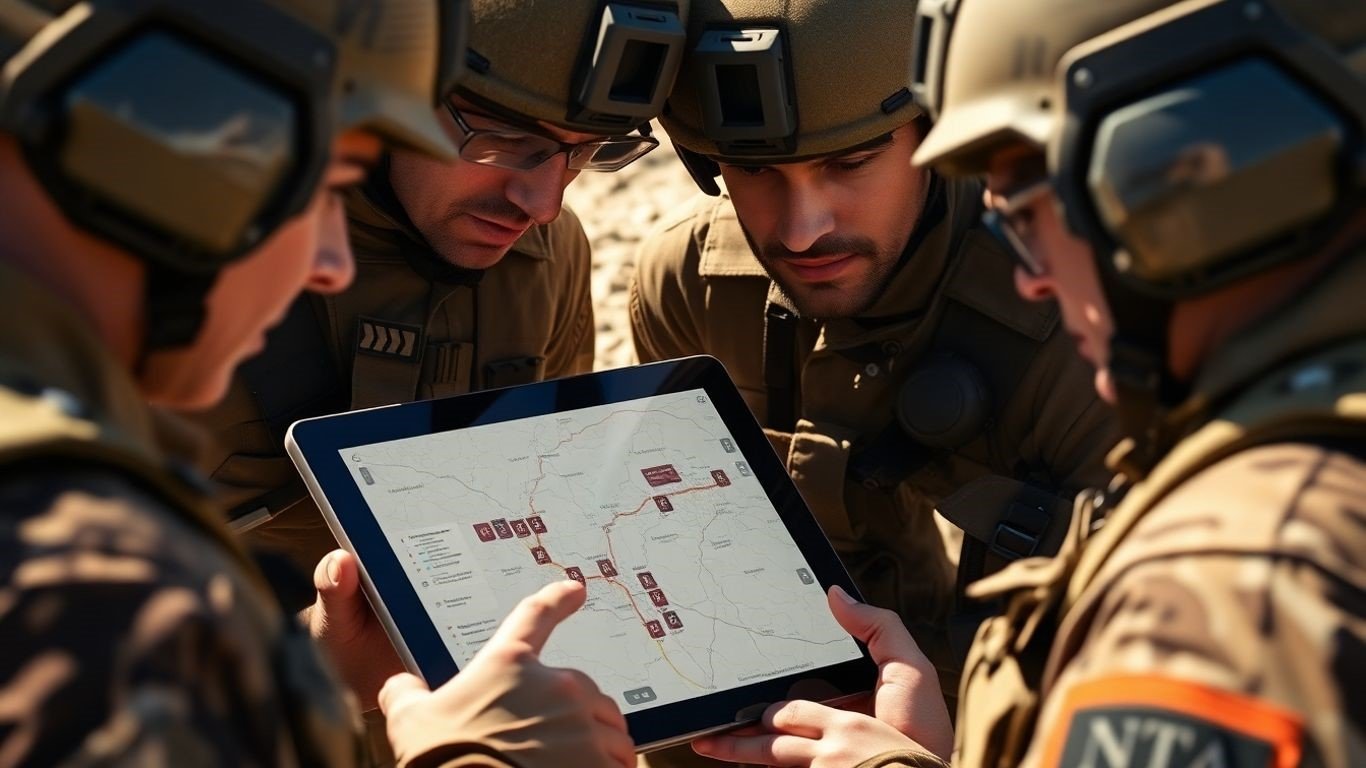
ATAK training shows teams how to pull in live information from many sources. Think maps, sensor feeds, and even drone video, all appearing on one screen. This means everyone sees the same, up-to-the-minute view of what’s happening. This unified view is key to making quick, smart decisions. Without this, teams might be working with old or incomplete data, which can lead to mistakes.
Tracking Friendly and Adversarial Forces
Knowing where your own team members are is vital. ATAK training teaches how to display friendly forces as clear markers on the map. This helps avoid friendly fire incidents and improves coordination. It also allows for the marking and tracking of potential threats or adversarial positions. This capability gives teams a significant edge in understanding the operational space and planning their next moves.
Seamless Communication and Information Sharing
Beyond just seeing dots on a map, ATAK training focuses on how the system facilitates communication. Teams learn to share text messages, locations, and even photos directly within the application. This direct line of communication cuts down on radio chatter and misinterpretations. The ability to quickly share critical information, like a hazard or a sighting, directly impacts mission effectiveness and team safety. ATAK training makes sure these communication features are used to their full potential.
Practical Application of ATAK in Field Operations
Coordinating Multi-Agency Responses
When different groups need to work together, especially during big events or emergencies, ATAK makes it much simpler. Think about a large public gathering or a situation where multiple police departments, fire services, and even federal agencies are involved. ATAK lets everyone see the same map, know where their teammates are, and share important updates instantly. This kind of coordination was really hard before ATAK. It helps avoid confusion and makes sure everyone is on the same page, which is a big deal when lives could be on the line.
- Real-time location sharing for all units.
- Instantaneous data updates from the field.
- Unified communication channels across agencies.
ATAK bridges communication gaps, allowing diverse teams to operate as a single, cohesive unit.
Improving Safety in Challenging Environments
Working in tough spots, like dense forests, busy city streets, or even during bad weather, makes staying safe harder. ATAK gives operators a clear view of their surroundings and their team’s positions. If someone gets separated or needs help, others can see their location immediately. This quick visibility is key for rescue operations or when dealing with unexpected dangers. The ability to quickly mark threats or points of interest on the map also helps teams avoid danger zones and plan safer routes. This tool really helps keep people out of harm’s way.
Enhancing Mission Success Through Accurate Data
Every mission relies on good information. ATAK provides that by pulling in data from various sources and showing it all in one place. Whether it’s tracking friendly forces, noting where potential threats are, or sharing photos and videos of a situation, the accuracy of the data is what makes the difference. When teams have a clear, up-to-date picture, they can make better decisions faster. This leads to missions being completed more effectively and with fewer mistakes. The ATAK system is built to give operators the best possible view, which directly impacts the outcome of their work.
The Importance of Comprehensive ATAK Training
Bridging the Gap Between Technology and User Proficiency
ATAK is a powerful tool, but it doesn’t do much good if people don’t know how to use it properly. Think of it like having a fancy sports car but never learning to drive. The real value comes when users can actually operate the technology effectively. This is where good ATAK training comes in. It takes the complex software and makes it accessible, turning a potentially confusing interface into a practical asset for the team.
Without proper instruction, teams might only scratch the surface of what ATAK can do. They might miss out on features that could significantly improve their operations. Effective training bridges the gap between the technology’s potential and the user’s ability to realize that potential in the field. It’s about making sure everyone on the team is on the same page, using the tool consistently and correctly.
This training isn’t just about button-pushing; it’s about understanding the ‘why’ behind the features. It helps users grasp how ATAK contributes to better decision-making and mission outcomes. The goal is to move beyond basic operation to confident, proficient use.
Maximizing the Effectiveness of the ATAK Tool
Simply having ATAK available isn’t enough to guarantee improved real-time situational awareness. The tool’s effectiveness is directly tied to how well its users understand and apply its capabilities. Comprehensive ATAK training ensures that the investment in the technology pays off by equipping personnel with the skills needed to maximize its utility.
Training covers everything from initial setup and configuration to advanced operational tactics. This allows teams to tailor ATAK to their specific mission needs, making it a more relevant and powerful asset. When users know how to integrate data streams, track assets, and communicate efficiently within the platform, the tool becomes indispensable.
Without this focused instruction, teams might revert to older, less efficient methods, negating the benefits ATAK offers. Maximizing the effectiveness of the ATAK tool means ensuring every user can confidently and competently operate it. This leads to better coordination, faster response times, and ultimately, greater mission success.
The Role of Hands-On Exercises in Skill Development
Reading manuals and attending lectures only go so far. Real skill development with ATAK happens when users get their hands dirty. Practical, hands-on exercises are absolutely key to building confidence and competence. These exercises simulate real-world scenarios, forcing users to apply what they’ve learned in a dynamic environment.
During these drills, teams can practice coordinating movements, sharing information, and responding to simulated threats. This practical application helps solidify understanding and reveals areas where individual or team proficiency might need improvement. It’s in these moments that the true power of ATAK training becomes apparent, moving knowledge from theory to practice.
- Scenario-based drills: Practice responding to simulated emergencies.
- Team coordination exercises: Work together using ATAK for communication and tracking.
- Troubleshooting practice: Learn to resolve common issues in a controlled setting.
These exercises are vital for developing the muscle memory and quick thinking needed when operating under pressure. They transform users from novices into proficient operators, ready to face real challenges with the ATAK tool.
The transition from theoretical knowledge to practical application is where true mastery of any complex system, including ATAK, is achieved. Hands-on practice bridges this gap, building confidence and competence under realistic conditions.
Advanced Features and Integrations with ATAK
Integrating Drone Operations with ATAK
ATAK isn’t just for ground teams anymore. It can now pull in data from drones, giving you eyes in the sky. This means you can see what the drone sees, right on your ATAK map. It helps track aerial assets and understand the bigger picture from above. This integration makes coordinating drone flights much simpler.
Utilizing Plug-ins for Custom Solutions
One of the really neat things about ATAK is its plug-in architecture. Think of plug-ins as add-ons that give ATAK new abilities. If your team needs something specific, like a special type of data display or a way to talk to a unique piece of equipment, a plug-in can often do the trick. This flexibility means ATAK can grow with your team’s needs. It’s a big reason why ATAK stays useful.
Combining ATAK with TAK Server and WinTAK
For larger operations or more complex setups, ATAK works well with TAK Server and WinTAK. TAK Server acts as a central hub, managing data and users across many devices. WinTAK brings ATAK capabilities to Windows computers, useful for command posts or planning. Using these together creates a powerful, connected system. This setup is great for multi-agency events where lots of different groups need to share information in real-time. The ATAK system, when combined with these other tools, really shows its strength in managing complex scenarios.
Benefits of Dedicated ATAK Training Programs
Tailored Training for Specific Agency Needs
Not all teams operate the same way, and their ATAK training shouldn’t be a one-size-fits-all deal. Dedicated programs let agencies focus on what matters most to them. This means training can be adjusted to fit the specific mission sets and operational environments each team faces. It’s about making the tool work for the job, not the other way around.
Developing Expertise in App Configuration and Use
Getting the most out of ATAK means knowing how to set it up right and use its features effectively. Training helps users go beyond the basics. They learn how to configure the app for their specific needs, understand its full range of capabilities, and troubleshoot common issues. This practical knowledge is what turns a good tool into a great operational advantage. ATAK training builds confidence and competence.
Continuous Learning and System Updates
Technology changes, and so does ATAK. New features and updates come out regularly. Dedicated training programs help teams stay current. They learn about the latest improvements and how to integrate them into their workflow. This ongoing education ensures that teams are always using ATAK to its fullest potential, adapting to new challenges and maintaining a tactical edge. It’s an investment in staying ahead.
ATAK training bridges the gap between having the technology and actually knowing how to use it effectively in the field. It’s about practical application, not just theory.
Bringing It All Together
So, when you get down to it, ATAK training really makes a difference. It’s not just about learning an app; it’s about making sure everyone on the team knows what’s happening around them, all the time. When you can see where your people are, where the threats might be, and share that info quickly, you just make better choices. This leads to smoother operations and, most importantly, keeps everyone safer. Getting the right training means teams can actually use ATAK to its full potential, turning that technology into real-world awareness that matters when it counts.