Most people think of their nighttime routine as a moment of restoration. You brush your teeth, wash your face, maybe unwind with a book or calming music. But there’s one part of nighttime hygiene that many overlook: the cleanliness of the dental devices they put into their mouth right before drifting off to sleep.
Night guards, retainers, aligners, and mouth appliances are designed to protect your teeth, support your jaw, or maintain orthodontic results. But here’s the uncomfortable truth: without proper care, those same devices can become breeding grounds for bacteria, fungi, and biofilm — placing your oral health at risk instead of safeguarding it.
The question becomes: are we unintentionally sacrificing hygiene at the moment we think we’re doing the most to protect our teeth?
The Hidden World Living on Dental Sleep Devices
You brush twice a day. You floss. You rinse. But have you ever thought about what’s living on the plastic hovering between your teeth and gums for 6 to 8 hours every night?
Studies show that night guards and retainers can accumulate:
- Streptococcus species
- Yeasts, including Candida albicans
- Biofilm layers similar to those found on plaque
- Food particles trapped during the day
- Odor-causing bacteria that thrive in moist environments
Warmth + darkness + moisture = the perfect ecosystem for microbial growth. And once a device is in your mouth overnight, those microbes have direct access to enamel, gums, and soft tissue.
This is why hygiene matters just as much for dental devices as it does for your toothbrush.
Poor Hygiene Does More Than Cause Smells
A night guard or retainer that isn’t cleaned properly can cause more than bad breath. It can lead to:
- Gum inflammation
- Increased plaque formation
- Mouth sores
- Fungal infections
- Tooth sensitivity
- Staining or yellowing of the device itself
- Changes in taste
- Accelerated wear on the material
In the worst cases, bacteria can travel into micro-abrasions in the gums, increasing the risk of systemic inflammation.
Dental appliances are not passive objects. They interact with your mouth for hours at a time, which means they must be as clean as possible.
Many people don’t know this, which brings us to an important point: understanding how to clean a night guard is not just about preventing odors; it’s about preventing long-term oral complications.
This emergency dentist in Port Charlotte FL adds that prioritizing the cleanliness of your appliances is a non-negotiable part of maintaining excellent dental health and preventative care. By regularly cleaning your night guard or retainer, you ensure your dedicated oral hygiene efforts aren’t undermined by bacteria being constantly reintroduced to your mouth, protecting you from infection and supporting your long-term wellness.
Why This Is More Relevant Now Than Ever
The rise in nighttime grinding, fueled by modern stress and lifestyle habits, has led more adults to use night guards daily. Sleep dentistry is booming, and millions of people now wear dental devices they didn’t use a decade ago.
At the same time, people are living more complex daily routines:
- Eating on the go
- Snacking late at night
- Drinking sugary or acidic beverages
- Living in high-stress environments
- Getting less sleep
All of these factors increase the number of bacteria in the mouth — which then accumulate on dental devices if hygiene is inconsistent.
As more people adopt protective appliances, the stakes for good hygiene rise as well.
Why Cleaning Is Done Incorrectly So Often
Even diligent health-conscious adults make one critical mistake: they treat a night guard like a toothbrush.
They rinse it quickly.
Or soak it in mouthwash.
Or brush it harshly with toothpaste.
But all three can cause damage:
- Toothpaste is abrasive.
- Mouthwash can degrade plastic.
- Simple rinsing leaves biofilm behind.
People tend to clean their devices based on convenience, not biology. But biology always wins.
A rushed cleaning routine leads to buildup. And buildup leads to odors, discoloration, and bacterial colonization.
We Clean What We See, and Ignore What We Don’t
There’s a psychological component to this issue. Humans are more motivated to clean things that look dirty.
A bathroom mirror with streaks? You wipe it.
A shirt with a stain? You wash it.
A plate with crumbs? Into the sink it goes.
But a night guard doesn’t always show visible dirt.
No stains. No color change. No debris.
So the brain says: “It looks fine. It’s probably clean.”
But invisible doesn’t mean hygienic. A night guard can appear spotless while harboring a thriving colony of microbes.
Rethinking Nighttime Hygiene as Whole-Mouth Care
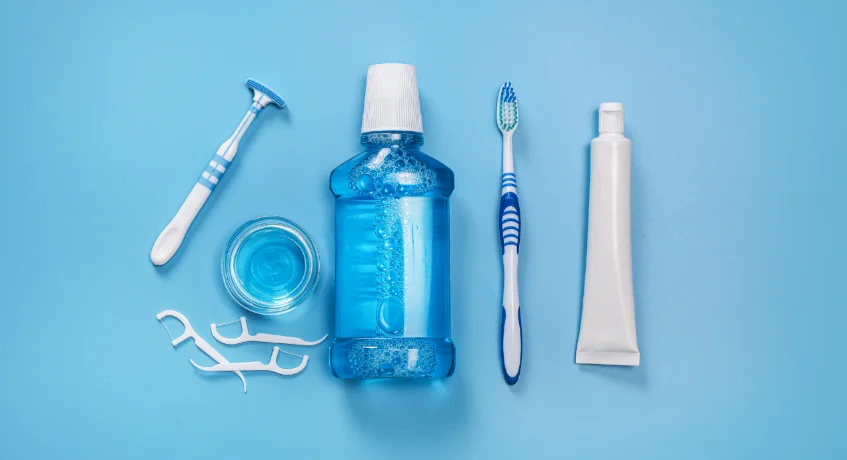
It’s time for a mindset shift. Nighttime oral health isn’t just brushing and flossing — it’s whole-mouth care. That means:
- Cleaning the teeth
- Cleaning the gums
- Cleaning the tongue
- Cleaning the dental appliance you’ll wear all night
Just as we wash sheets, sanitize water bottles, and replace toothbrush heads, we must give night guards and sleep devices the same priority.
If you wouldn’t drink water from an unwashed cup, why place an unclean device against your teeth for 8 hours?
The Real Goal: Consistency, Not Perfection
Good hygiene doesn’t require elaborate steps; it requires consistency. Most damage occurs not because someone nevercleans their device, but because they don’t do it regularly.
A simple, reliable routine can make all the difference.
Daily cleaning keeps bacteria from forming layers.
Weekly deep cleaning prevents material breakdown.
Dry storage prevents microbial growth.
The goal isn’t perfection — it’s protection.
Conclusion: A Cleaner Device Means a Healthier Mouth
Night guards, retainers, and aligners are powerful tools for protecting your smile. But their benefit depends on how clean they are before they go into your mouth.
Ignoring their hygiene isn’t a small oversight — it’s a nightly risk that compounds over time.
By rethinking nighttime routines and treating dental devices as essential items that require consistent care, we protect more than our teeth. We protect our overall oral health, our comfort, and even our long-term well-being.
The device you wear while you sleep should safeguard your smile, not endanger it. And the simplest path to that outcome is a clean routine that cares for more than just the visible teeth — it cares for the tools that protect them.