Setting clear expectations from the start is key to smooth invoicing with repeat clients and ongoing projects. This means being upfront about how and when you’ll bill, and what the client can expect to see on their invoices. It avoids confusion later on.
The easiest time to set invoicing expectations is before there’s any friction. Repeat clients appreciate clarity. You can communicate expectations in a short onboarding email or within your service agreement, and reinforce them subtly on each invoice. This proactive approach helps prevent common invoicing problems before they even arise.
This section covers how to communicate your invoice cadence, payment terms, and policies to keep things running efficiently.
Communicating Invoice Cadence and Payment Terms
Clients need to know when to expect an invoice and when payment is due. For repeat clients, establishing a consistent invoice cadence is important. This could be weekly, bi-weekly, or monthly, often aligning with the first or last day of the month to fit their accounting cycles. Clearly state your payment terms, such as “Net 15” or “Due on Receipt,” on every invoice.
It’s also helpful to understand your client’s payment process. If they have a formal accounts payable (AP) department, ask about their preferred invoicing days or payment run schedules. Matching their cycle can significantly speed up payments. This consistent communication about when and how to pay builds trust and predictability.
Here’s a quick look at common payment terms:
- Due on Receipt:Payment is expected immediately upon receiving the invoice.
- Net 7:Payment is due within seven days of the invoice date.
- Net 15:Payment is due within fifteen days of the invoice date.
- Net 30:Payment is due within thirty days of the invoice date.
Defining Line Item Clarity and Scope
When you’re working on ongoing projects or with repeat clients, the details on your invoice matter. Vague descriptions like “services rendered” can lead to questions or disputes. Instead, use clear, consistent naming for your services. For example, instead of just “Consulting,” specify “Monthly Retainer – Strategy & Support” or “Project Phase 2 – Design Mockups.”
For retainers, clearly state what the retainer covers, such as “Includes up to 10 hours of support” or “Retainer covers monthly content creation.” If there are overages, list them as separate line items with their own quantity and rate. This transparency helps clients understand exactly what they are paying for and reduces the chance of payment delays due to confusion.
Being specific on your invoice line items is not just about clarity; it’s about building confidence. When clients can instantly recognize and understand each charge, it signals professionalism and makes their approval process smoother.
Outlining Policies for Late Payments and Service Pauses
It’s wise to have a clear policy for late payments and communicate it upfront. This policy should be included in your service agreement and mentioned on your invoices. For instance, you might state that a late fee of X% will be applied after Y days past the due date, or that services may be paused if payment is significantly overdue.
While you want to be accommodating, having these policies in place protects your business. It also gives clients a clear understanding of the consequences of delayed payment. Remember to apply these policies consistently to all clients to maintain fairness and avoid awkward conversations.
Consider how you’ll handle service pauses. Will you notify the client in advance? How will services resume once payment is received? Having these details ironed out beforehand makes the process less stressful for everyone involved. This clear communication about late payments and potential service interruptions is a vital part of managing client relationships.
Streamlining Invoice Creation for Repeat Clients
Leveraging Client Profiles for Billing Efficiency
For businesses that work with the same clients regularly, setting up client profiles is a game-changer. This means saving each client’s billing details, contact information, and agreed-upon payment terms in one place. When it’s time to create a new invoice, this information populates automatically. This saves a lot of typing and cuts down on errors. It makes the whole process of invoicing repeat clients much faster and more consistent. Having these profiles ready means you spend less time on admin and more time on the actual work.
Developing Service-Specific Invoice Templates
Creating templates for your most common services is another smart move. If you offer a monthly retainer for website support, have a template ready for that. If you do project-based work with specific deliverables, create templates for those scenarios too. These templates can include pre-filled line items, descriptions, and even tax information. When you need to send an invoice, you just select the right template and make any necessary adjustments, like changing the date or adding overage hours. This consistency helps clients recognize what they’re being billed for, speeding up approvals.
Utilizing Recurring Invoices for Predictable Billing
For services that are billed on a regular schedule, like monthly retainers or subscriptions, recurring invoices are ideal. Most modern invoicing software allows you to set up invoices that generate and send automatically on a set date each month or week. This takes the manual effort out of regular billing entirely. It also means clients receive their invoices predictably, which can help them manage their own payment schedules. This predictable billing is a win-win, smoothing out cash flow for the business and making payments easier for the client.
Designing Client-Approvable Invoices
When working with repeat clients, especially businesses, invoices often go through an accounts payable (AP) department. Making your invoices easy for these teams to process can speed up payments significantly. The goal is to design invoices that are clear, consistent, and require minimal back-and-forth.
Including Essential Information for AP Teams
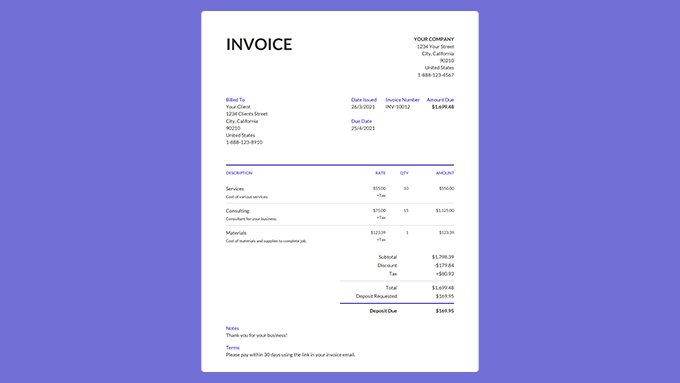
Every invoice sent to a repeat client should contain a standard set of details. This consistency helps AP departments quickly identify and process payments. Think of it as a checklist that ensures nothing is missed, preventing common delays.
- Your business name and contact details.
- The client’s legal name and billing address.
- A unique, sequential invoice number.
- The date the invoice was issued.
- The clear due date and agreed-upon payment terms.
- A breakdown of services or products with quantities and rates.
- Subtotals, applicable taxes, any discounts, and the final total.
- Payment instructions or a direct link if available.
- Any required Purchase Order (PO) number or project code.
Using Familiar Language for Recurring Services
Avoid vague terms on your invoices. Instead, use language that immediately tells the client what they are paying for. For instance, instead of “Professional Services,” use “Monthly Retainer – Website Support.” If you bill hourly, specify the role or category, like “Consulting Hours – Strategy” versus “Implementation Hours – Development.” This clarity is key for repeat clients.
Clear, recognizable service names on invoices reduce confusion and speed up the approval process. It’s about making it easy for the client to understand their bill at a glance.
Crafting Concise Yet Informative Line Item Descriptions
Descriptions should be brief but informative, giving enough context without inviting detailed scrutiny. Instead of listing every single task, provide a summary of the scope covered. For example, “Monthly maintenance and support for January 2026” or “SEO reporting + technical fixes (January 2026)” works well. For retainers, you might note “Retainer coverage: up to 10 hours” or “Overage hours beyond retainer (3.5 hours).” This approach builds confidence and minimizes disputes, making the invoice more client-approvable.
This focus on clear, familiar language and concise descriptions is a core part of designing client-approvable invoices. It shows professionalism and respect for the client’s time and internal processes. When invoices are easy to understand and approve, payment cycles shorten, benefiting both parties. The exact keyword here is client-approvable, and it’s central to this section’s advice.
Optimizing Payment Processes and Terms
Getting paid on time is key for any business, especially when working with clients over the long haul. It’s not just about sending an invoice; it’s about making the whole payment process smooth and clear for everyone involved. This means setting up terms that make sense for both you and your client, and making it as easy as possible for them to pay.
Implementing Frictionless Payment Options
Clients pay faster when it’s simple. Think about how people like to pay for things these days. Offering a few common ways to pay can really cut down on delays. Most businesses are used to paying with cards or bank transfers, so having those options ready is a good start. For bigger companies, they might prefer ACH transfers or have specific ways they need you to set up as a vendor. The goal here is to remove any hassle from the payment step. Making payment easy is a big part of optimizing payment processes.
Setting Realistic and Enforceable Payment Terms
Your payment terms are like the rules of the road for getting paid. For repeat clients, these terms should be clear from the start and consistent. Common terms like ‘Due on Receipt’ or ‘Net 30’ work well, but you need to pick ones that fit your business’s cash flow needs and what your client can realistically manage. If a client consistently pays late, you might need to adjust your terms or have a clear policy for late payments. It’s about finding a balance that works for both parties and sticking to it.
Considering Early Payment Incentives
Sometimes, a little nudge can go a long way. Offering a small discount for paying early can encourage clients to settle their invoices faster. For example, a 2% discount if paid within 10 days is a classic approach. This can be a good strategy if predictable cash flow is a high priority for you. However, you need to weigh the cost of the discount against the benefit of getting paid sooner. It’s a trade-off that depends on your business’s financial situation and your client relationships. This can be a smart way to optimize payment processes.
Managing Variable Billing and Project Phases
Handling Retainers with Overage Billing
For ongoing work, a retainer model often works well. This usually involves a base fee for a set amount of service or time. When clients go beyond that set amount, you need a clear way to bill for the extra work. This is where overage billing comes in.
It’s important to define what constitutes an “overage” upfront. This could be extra hours worked, additional features used, or more complex tasks performed. Clearly stating this in your initial agreement prevents confusion later. When invoicing, show the base retainer amount clearly, then list the overage charges separately. This transparency helps clients understand their spending.
This approach allows for predictable income from the retainer while still accounting for the actual work performed. It’s a flexible system that balances client needs with fair compensation for your services. Managing variable billing this way keeps things fair for everyone involved.
Invoicing for Project Milestones and Deliverables
When working on larger, phased projects, invoicing based on milestones is a smart move. Instead of billing at the end of the entire project, you bill as key stages are completed. This helps with cash flow and shows the client tangible progress.
Each milestone should have a clear definition of what needs to be achieved. When that deliverable is met and approved, you issue an invoice for that specific phase. This method works well for projects with distinct parts, like website development, construction, or complex consulting engagements. It breaks down a big project into manageable billing chunks.
This type of invoicing requires good project management. You need to track progress closely and communicate effectively with the client about when each milestone is reached. It provides a clear roadmap for both parties and ensures payment aligns with completed work.
Adapting Templates for Variable Billing Scenarios
Not all repeat clients or projects are the same, so your invoice templates shouldn’t be either. For variable billing, you’ll need templates that can be easily adjusted each time. This means having placeholders for changing hours, specific tasks, or fluctuating costs.
Consider creating a master template that includes sections for common charges, but also allows for custom additions. For instance, a template might have a standard retainer fee, but also space to add hourly overages, specific project deliverables, or pass-through expenses. The key is flexibility.
Regularly reviewing your templates ensures they still meet your needs and your clients’ expectations. As services evolve or project scopes change, update your templates accordingly. This keeps your billing accurate and efficient, especially when dealing with variable billing scenarios. If you need a practical starting point for how to create invoices, iInvoice’s guide shows how to structure professional invoices while keeping them flexible for different billing situations. This keeps your billing accurate and efficient, especially when dealing with variable billing scenarios.
Clear communication about how variable billing works is key. Clients need to know what to expect, especially when costs can change from one billing period to the next. This prevents surprises and builds trust.
Implementing a Robust Follow-Up System
Automating Professional Payment Reminders
Late payments can really mess with your cash flow. It’s not always about clients forgetting; sometimes, it’s just a matter of them needing a nudge. Setting up an automated reminder system is a smart move. This system should send polite prompts at key times. Think about a gentle reminder a few days before the due date, another on the due date itself, and then a slightly firmer notice if the payment is past due. This consistent approach helps keep payments on track without you having to chase anyone down manually. A good follow-up system is key for repeat clients.
Establishing a Clear Policy for Past-Due Accounts
When an invoice is overdue, having a clear, pre-defined policy makes a big difference. This policy should outline what happens next, including any late fees or potential service pauses. It’s important to communicate this policy upfront to your clients so there are no surprises. For repeat clients, consistency in applying this policy builds trust and predictability. Make sure your policy is reasonable and aligns with your business needs, but also fair to your clients. A well-documented policy for past-due accounts is part of a robust follow-up system.
Proactive Communication to Prevent Payment Delays
Sometimes, the best way to handle potential payment delays is to be proactive. If you notice a client might be struggling or if there’s a change in project scope that affects billing, reach out early. A quick email or call to discuss the situation can prevent a payment from becoming late in the first place. This kind of open communication builds stronger client relationships and shows you’re a partner, not just a vendor. Proactive communication is a vital part of any effective follow-up system, especially with ongoing projects and repeat clients.
Ensuring Accuracy in Financial Details
Keeping financial details spot-on is key for repeat clients. It builds trust and makes sure everyone’s on the same page. When invoices are accurate, clients are more likely to pay on time, and you avoid those awkward back-and-forth conversations.
Consistent Handling of Sales Tax and Discounts
Sales tax rules can get tricky, especially in the US where they change by state. Services might not be taxed everywhere, but goods often are. Always show sales tax clearly as its own line item. If you don’t charge sales tax, don’t add confusing labels about it. It’s smart to check with a tax pro or your state’s guidelines to keep your invoices consistent and correct.
Discounts should also be handled with care. Whether it’s an early payment discount or a volume discount, make sure it’s clearly stated on the invoice. This prevents confusion and ensures the client knows exactly what they owe. Accurate financial details mean fewer headaches for both you and your client.
Transparent Processing Fee Disclosure
If you pass on processing fees for certain payment methods, like credit cards, be upfront about it. Hiding these fees can damage trust. Clearly list any processing fees as a separate line item or in your payment terms. This transparency helps clients understand the total cost and avoids surprises later on.
This disclosure is part of maintaining accurate financial records. When clients see all charges laid out clearly, they can better track their expenses and understand your pricing structure. It’s a simple step that goes a long way in building a good client relationship.
Accurate Recording of Deposits and Credits
When clients pay a deposit upfront or have credits from previous overpayments, make sure these are reflected correctly on their invoices. A deposit should reduce the amount due, and any credits should be clearly itemized. This avoids confusion about the outstanding balance.
Recording deposits and credits accurately is part of good bookkeeping. It shows clients you’re managing their payments responsibly. This attention to detail in financial records helps maintain a smooth billing process for ongoing projects and repeat clients.
Maintaining Organized Records and Client History
Standardizing Client Onboarding for Billing
Getting client billing details right from the start is key for repeat clients. This means capturing their legal name, billing address, and contact email during the initial onboarding. It also includes noting any specific payment terms or purchase order requirements they have. This upfront work prevents common invoice rejections later on.
When a new client relationship solidifies into an ongoing one, take the time to collect this information. For businesses in the US, clean records are important for bookkeeping and year-end reports. A good onboarding process should capture:
- Client legal name and billing address
- Primary billing contact email (and an AP email if different)
- Payment method preference (card, ACH, check)
- Payment terms (Net 15, Net 30, etc.)
- Purchase order requirements (if they need a PO number on every invoice)
This structured approach to client onboarding for billing helps avoid those annoying “AP bounce-backs” where an invoice gets delayed simply because it’s missing a PO number or has the wrong company name. It sets a professional tone from the beginning.
Implementing Consistent Invoice Numbering
Invoice numbering might seem small, but it really matters for tracking payments and keeping your books tidy. A consistent system makes it easy to find past invoices when a client asks for them months down the line. This saves time and builds trust.
There are a couple of ways to go about this. You could use simple sequential numbers, like 1001, 1002, 1003. Or, you could add a year prefix, such as 2026-001, 2026-002. The best scheme is the one you can stick with and that works with your accounting records. The main goal is to have a predictable number for each invoice.
A predictable invoice numbering system is a cornerstone of good financial record-keeping. It simplifies communication and reconciliation for both parties.
This consistency is what makes repeat invoicing smoother. When you have a clear system, you reduce the chances of errors and make it easier for clients to reference specific transactions. It’s a small detail that has a big impact on overall organization.
Organizing Client Billing Information
Keeping client billing information organized is more than just tidiness; it’s about efficiency and accuracy. When you have a system for storing client details, you can populate invoices quickly and correctly every time. This is especially true for repeat clients who have established billing preferences.
Think about creating client profiles. These profiles should hold all the necessary billing data: their legal name, address, preferred payment methods, and any specific instructions like PO requirements. If your invoicing software can automatically pull this information, even better. This reduces manual data entry and the potential for mistakes.
- Store client legal name and billing address.
- Record preferred payment methods (card, ACH, check).
- Note any specific PO or vendor onboarding requirements.
Having this organized client billing information readily available means you spend less time hunting for details and more time on other aspects of your business. It makes the entire invoicing process much less of a headache for everyone involved. This organized approach is vital for maintaining good client relationships and smooth financial operations.
Wrapping Up Your Repeat Client Invoicing
Creating invoices for clients you work with regularly doesn’t have to be a chore. By setting up clear systems, using templates, and automating where possible, businesses can make this process much smoother. Consistent communication about terms, prompt sending of invoices, and making payment easy all play a big part. When invoicing is handled well, it frees up time to focus on the actual work, keeps cash flowing steadily, and helps maintain good client relationships. It’s about building a reliable process that just works, month after month.