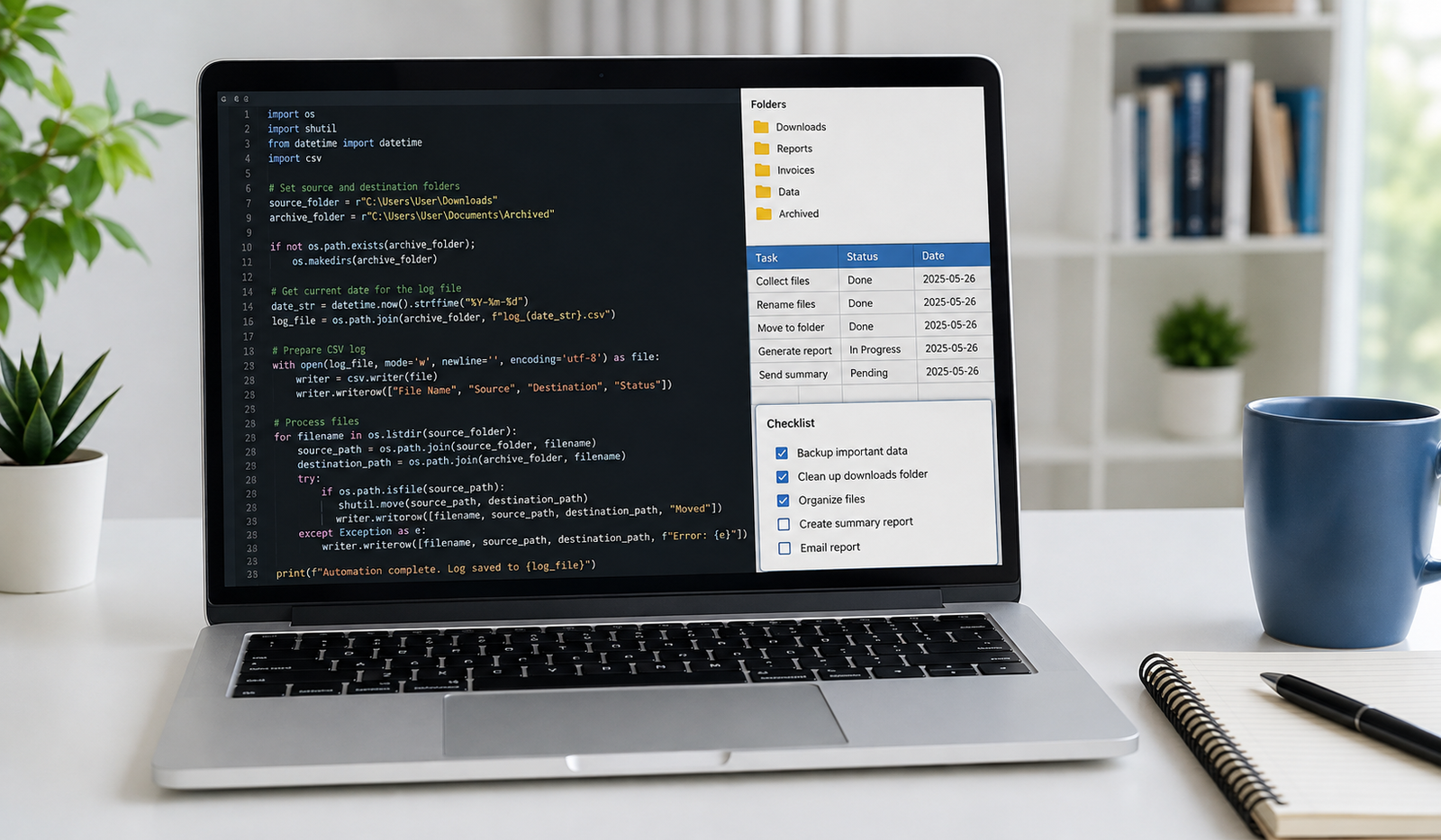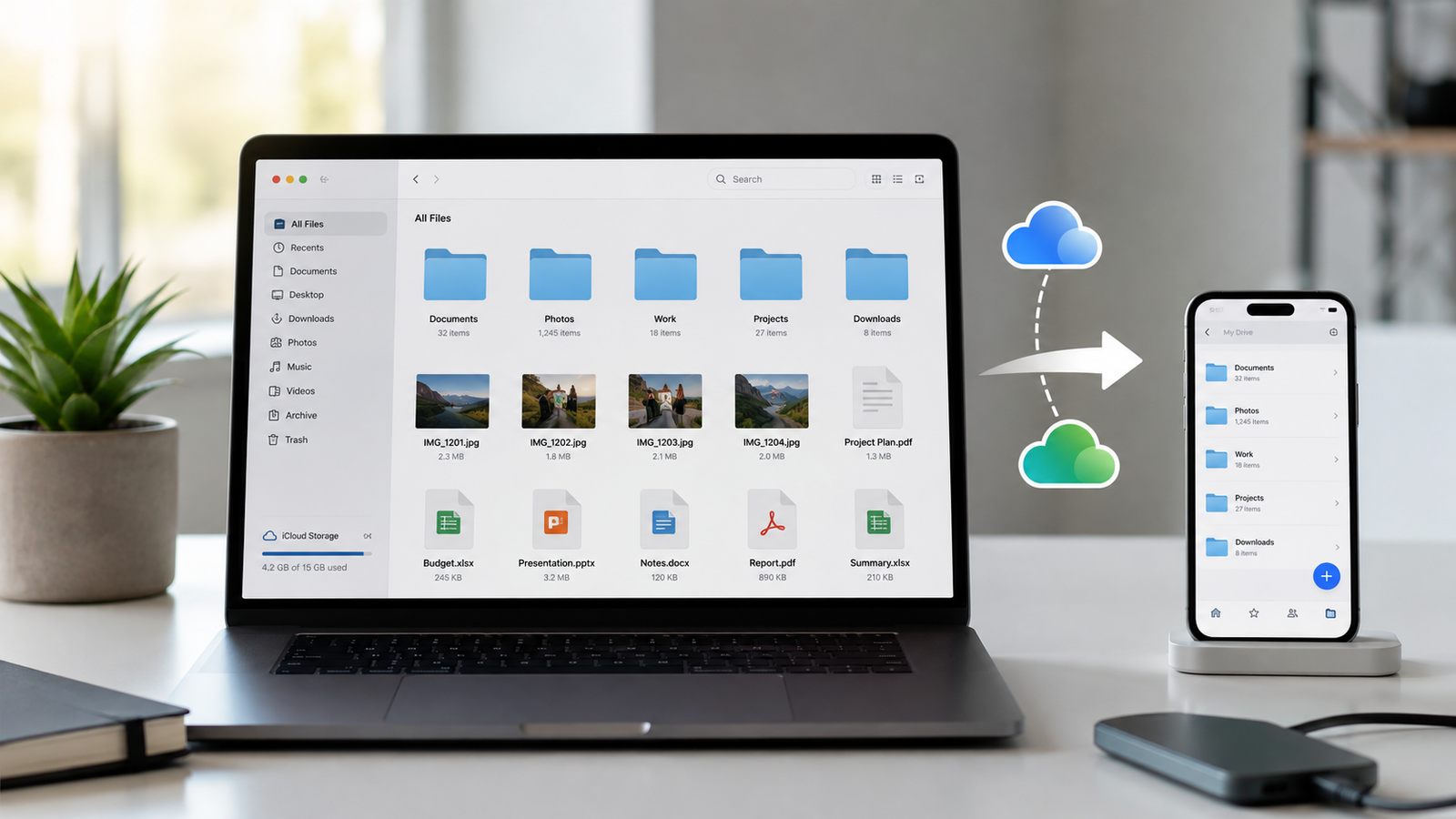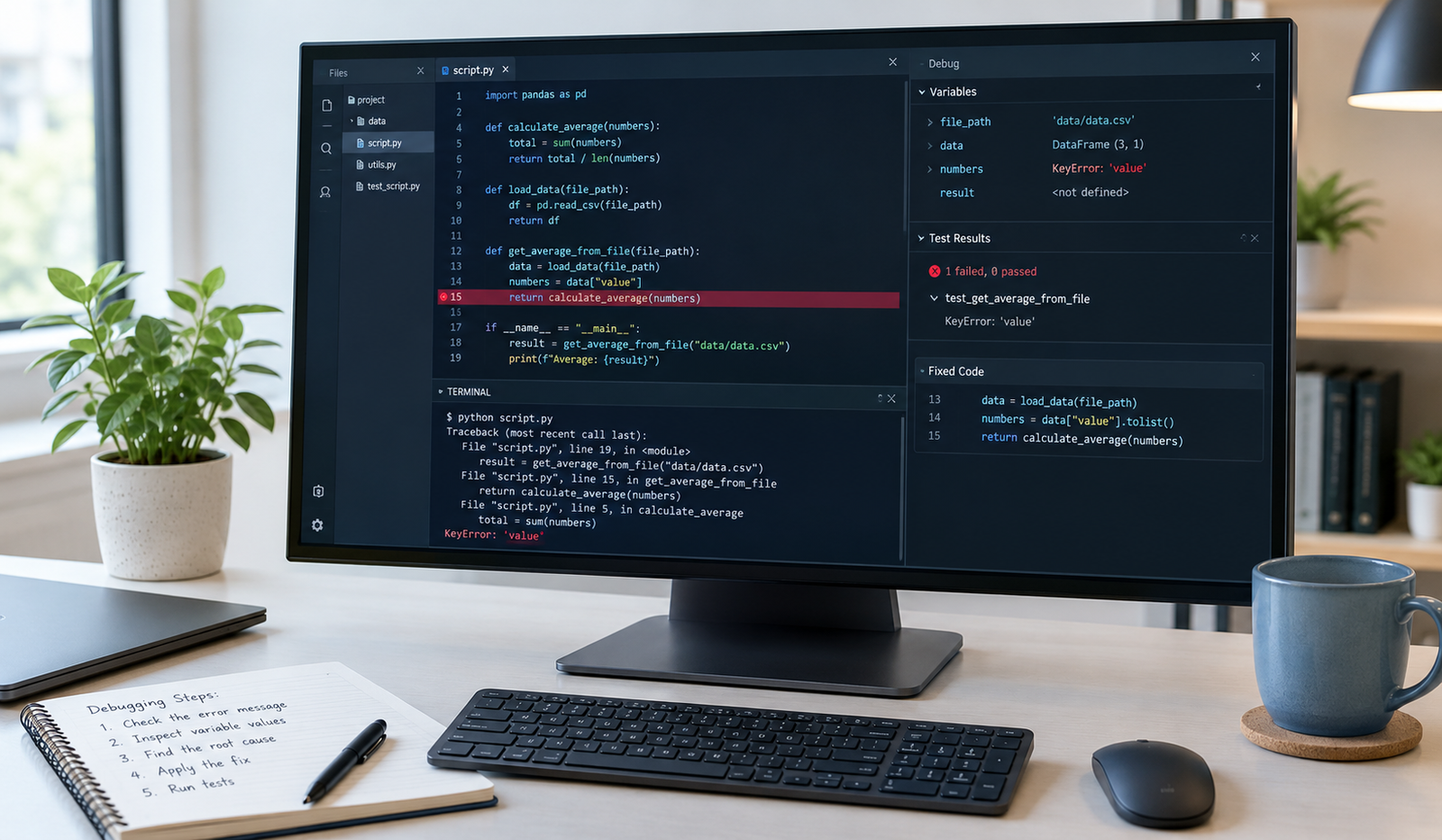
The coding assistant AI tools Claude Code and Codex are changing the developer experience. However, the tools come with challenges, including difficulty managing sessions, reviewing code, and keeping everything organized. To address this issue, the Claude Code GUI GUI becomes vital.
A visual workspace does not simply improve aesthetics, it allows the developer to interact with the AI with greater clarity, control, and efficiency.
Why Coding AI Workflows Require a Visual Workspace
Lack of visibility in the terminal or chat interface is a problem. Developers find it difficult to understand the relationships between different outputs and how prompts are updated when working on large, complex applications.
With a structured workflow, a visual workspace allows you to integrate the scattered sessions and files of your AI. With everything organized in one workspace, you can see code, outputs, and tasks alongside each other and improve your efficiency.
This is particularly true of flexibility for product managers and team members who are collaborating with AI agents and need to keep track of all aspects of the project.
Efficient Session Management for Claude Code and Codex
How to effectively manage sessions with AI is one of the developer’s major pain points, especially when there is no organization and conversations become fragmented and unusable.
The design for a good Claude Code GUI includes:
– Consolidated session tracking
– Distinct task categorization
– Session concurrency
– Workflow navigation.
These features enable developers to manage multiple agent sessions concurrently, all while preserving context. Additionally, it simplifies the process of iterating through previous work to modify prompts and iteratively construct.
The Need for More Control when Reviewing AI-Generated Code
While AI-generated code is a great help, it is not immune to scrutiny. Accepting outputs without inspection is a sure way to introduce bugs and inconsistencies.
The latest generation of AI coding tools improves this workflow immensely through:
– Inline diffs
– Accept/Reject/Edit capabilities
– Visibility
– Mod/Version comparisons
This level of control yields the benefits of AI speed while allowing developers to maintain the reins. Most importantly, it instills trust in AI-supported software development, especially in a production workflow.
The Role of Visual Editors in AI-Enhanced Software Development
The capabilities of AI have expanded beyond simple code writing. Now, developers can also produce diagrams, documentation, datasets, and even UI mockups.
Visual editors enrich this workflow, especially with the use of a single format:
– Markdown for documentation
– Code editors for development
– Diagram tools for architectural design
– CSV editors for tabular data
– Mockup tools for UI/UX design
The use of unified interfaces allows fast and easy switching between formats, which keeps development flowing without interruption.
AI Copilot Tools for Developers and Product Managers
It is generally easy to find AI tools for coding. However, AI tools that solve coding problems and coding-centric tools that solve organizational, collaborative coding, and review-centric problems tend to be used independently throughout a coding workflow. The ideal tool will incorporate:
– AI coding tools
– Session and task management
– Visual editing
– Collaboration
– Structural workflow
This is a new paradigm of tools creating coding assist tools focused on a visual workspace for recording statements and executing tasks.
Nimbalyst: Coding Made Visual With Codex and Claude Code
Without a doubt, Nimbalyst is one excellent visual coding tool that is natively built in conjunction with Codex and Claude Code.
Take a look for yourself at Nimbalyst
Nimbalyst is a workspace design for the developer. It functions as a space where one can visually manage agents, manage sessions, manage tasks, and manage the file system all in one space. Nimbalyst enables developers to start as many agent sessions as there are developer instances running. This makes Nimbalyst ideal for coding with teams and for projects that are highly iterative in their development.
Nimbalyst also facilitates the use of multiple visual editing mediums including markdown, code, mockups, diagrams, CSV, and even Excalidraw. This makes it a powerful coding workspace and AI workspace for technical and non-technical users.
Nimbalyst also allows AI to take the reins in making changes, which is possibly another of Nimbalyst’s many appealing factors. With inline AI diffs, developers can scrutinize AI coding outputs and decide whether to take changes, not take changes, or even go so far to manually edit the AI’s changes. This encapsulates the complete autonomy of developers over any coding task while being able to apply AI assistance.
Nimbalyst enables builders, developers, and product managers to use AI coding agents within a collaborative .
The Future of Space for Coding AI
Developers are not only going to be dealing with AI, they will be able to orchestrate it.
The Claude Code GUI is no longer optional, it is a necessity of the workflow of today’s developers. More organized, fast, and reliable outputs are a direct product of this modern development technology.
Nimbalyst is one of the first tools to demonstrate the potential of AI as a development partner rather than just an assistant, and the potential of visual workspaces to drive this shift.
Concluding Thoughts
The biggest potential productivity gains afforded by AI to developers are being impeded by the lack of modern interfaces, and the right visuals can eliminate those barriers.
The proper Claude Code GUI will definitely help in the manager of multiple agent sessions, evaluation of generated code, and construction of intricate projects.