In the rapidly advancing world of dermatology, the quest for revitalised, healthy-looking skin has led to innovations like the skin booster treatment. This cutting-edge procedure is gaining popularity due to its ability to enhance skin texture and elasticity with minimal downtime.
Understanding Skin Booster Treatments
Skin booster treatments are injectable procedures designed to hydrate and improve the skin from within. Unlike traditional fillers that restore volume, skin boosters focus on rejuvenation by delivering vital nutrients directly into the skin layers.
How Do Skin Boosters Work?
The treatment utilises hyaluronic acid, a naturally occurring substance in the body known for its moisture-retaining properties. When administered, hyaluronic acid promotes hydration and collagen production, enhancing skin elasticity and smoothness.
Benefits of Skin Booster Treatments
Skin booster treatments offer a multitude of benefits, including enhanced skin hydration, improved elasticity, and a radiant glow. These treatments can reduce fine lines and provide a natural, youthful appearance without the need for invasive surgery.
The Procedure
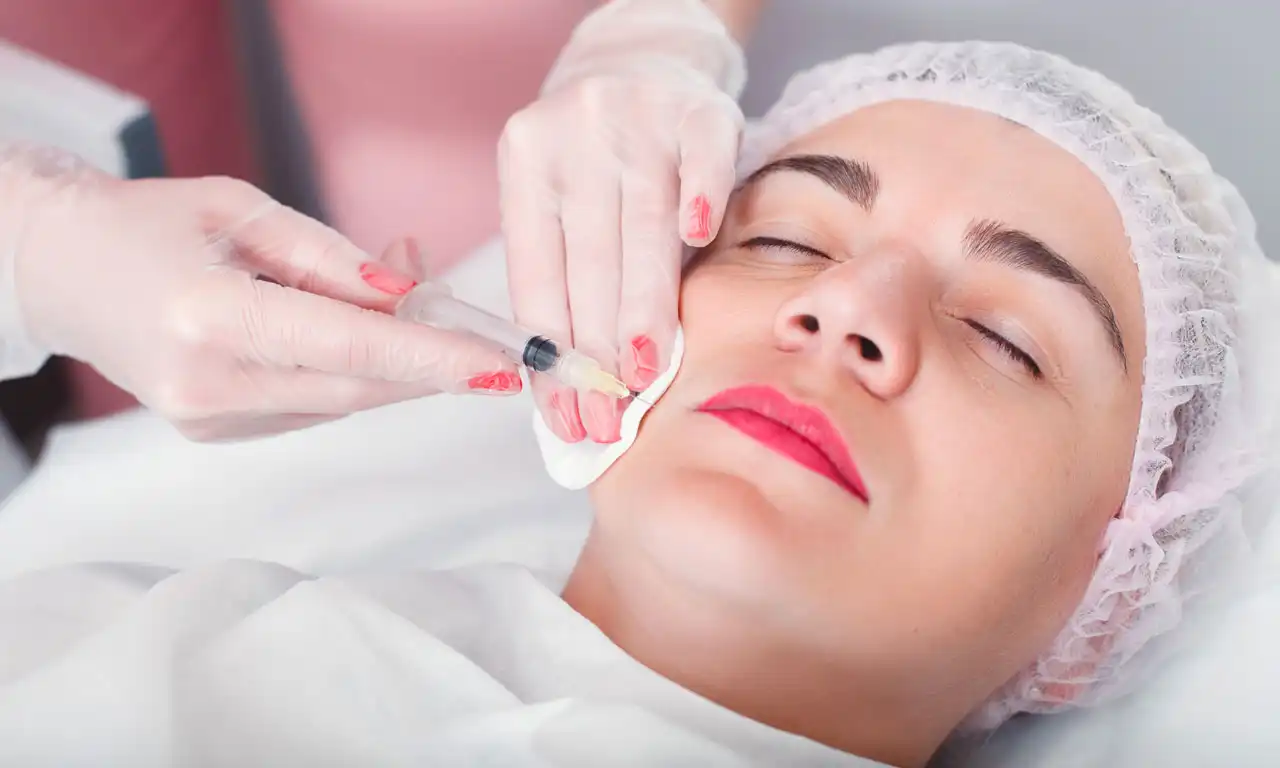
The skin booster treatment involves micro-injections that are delicately administered into the skin. The process is relatively quick, typically lasting about 30 minutes, and requires no significant recovery time, allowing patients to return to their daily activities shortly after.
Who Can Benefit from Skin Boosters?
This treatment is ideal for individuals seeking to combat early signs of ageing or those in need of deep hydration. It is suitable for various skin types and can address concerns like dullness, fine lines, and rough skin texture.
Pre-treatment Preparations
Before undergoing a skin booster treatment, a consultation with a skincare professional is necessary. This step ensures the procedure is tailored to the individual’s specific skin concerns and medical history.
Post-treatment Care
After the treatment, it is recommended to avoid heavy exercise and direct sun exposure for a few days to optimise results. Patients may experience slight redness or swelling, which generally subsides quickly.
Expected Results
Results from the skin booster treatment are typically visible within a few days post-treatment. A follow-up session might be recommended for optimal outcomes, with effects lasting several months depending on individual skin characteristics and lifestyle.
Risks and Considerations
While skin booster treatments are generally safe, there are some potential side effects, including minor bruising and redness. It is crucial to have the procedure performed by a qualified professional to minimize these risks.
Integrating Skin Boosters into a Skincare Routine
For lasting results, integrating skin booster treatments with a comprehensive skincare regime can be beneficial. Consistent skincare habits, including moisturising and sun protection, support and enhance the effects of the treatment.
Comparing Skin Boosters to Other Treatments
Skin boosters differ from other treatments like Botox or fillers in their primary purpose. While Botox targets muscle contractions to reduce wrinkles, and fillers add volume, skin boosters focus on overall skin health and hydration.
Cost Considerations
The cost of skin booster treatments can vary based on the clinic, the practitioner’s expertise, and the specific areas being treated. It is important to discuss the pricing and package options during the initial consultation.
Choosing the Right Clinic
Selecting a reputable clinic is essential for achieving desired results. Prospective patients should look for certified professionals with positive reviews and a proven track record in performing skin booster treatments.
Conclusion
Skin booster treatments present an excellent option for those seeking to rejuvenate their complexion and improve skin health with quick and effective results. As dermatological technology continues to advance, treatments like these will become integral components of modern skincare regimes, offering a fresh path to achieving radiant, youthful skin.