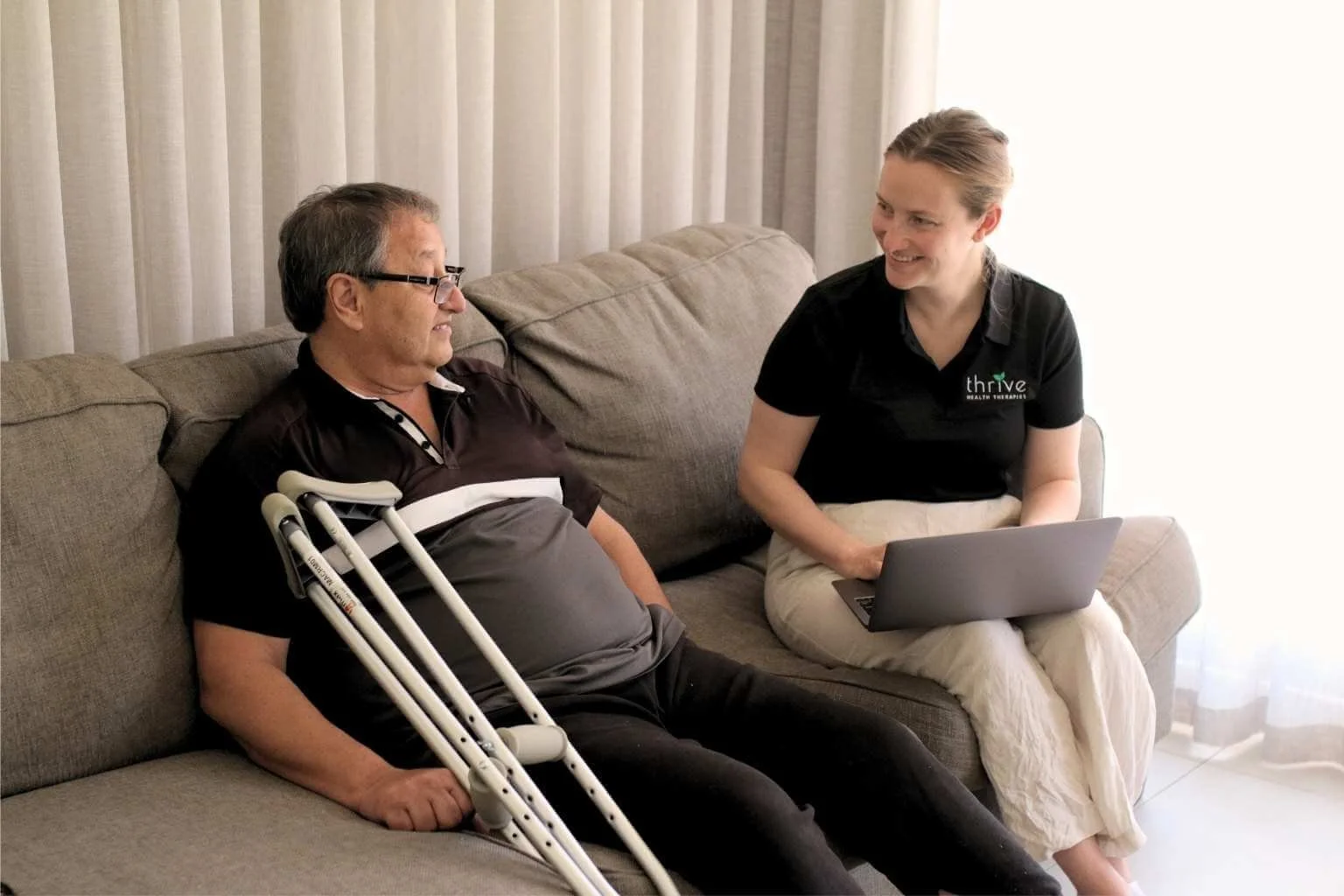
In recent years, mobile occupational therapy has emerged as a convenient and effective way to receive therapeutic care. This innovative approach allows practitioners to bring their expertise directly into patients’ homes, significantly improving accessibility to necessary services, particularly for individuals with mobility challenges or busy schedules.
Understanding Mobile Occupational Therapy
Occupational therapy is a form of healthcare that involves the use of specific activities to help people develop, recover, or maintain the daily living and working skills they need to lead fulfilling lives. Mobile occupational therapy extends these services into clients’ living spaces, ensuring they receive tailored interventions in comfortable and familiar surroundings.
Enhanced Accessibility and Convenience
One of the primary benefits of mobile occupational therapy is its accessibility. By removing the need for patients to travel to a clinic, therapy becomes accessible to a wider range of individuals, including those who live in remote areas or face transportation challenges. This convenience can lead to increased adherence to therapy sessions, as patients are more likely to keep appointments when they do not require significant travel or scheduling adjustments.
Personalised Care in Familiar Environments
Mobile occupational therapy allows therapists to work within the actual living spaces of their clients. This situation offers unique insights into daily living conditions and challenges that might not be visible in a clinic setting. Therapists can tailor interventions more precisely, considering the physical layout of the home and individual needs, which can enhance the effectiveness of the therapy.
Family Involvement and Support
Another advantage is the opportunity for increased family involvement. When therapy occurs in the home, family members can participate more actively in treatment sessions. This involvement can provide additional support to the patient and help reinforce practices that benefit the therapeutic outcomes.
Reduced Stress and Anxiety
Receiving care in a familiar environment can significantly reduce stress and anxiety for the patient. Clinics can often be intimidating, and the comfort of one’s own home can facilitate a more relaxed, open, and productive session. This relaxation can accelerate progress by allowing patients to engage more fully with their therapy activities.
Cost-Effectiveness
Mobile occupational therapy can also be more cost-effective than traditional clinic-based treatments. Savings are often achieved through the reduction of overhead costs associated with maintaining a physical clinic. Patients may also find savings by reducing costs associated with travel and time spent commuting.
Improving Outcomes With Tailored Approaches
By conducting therapy sessions in the home, therapists can employ strategies that are highly customised to the patient’s living situation. This tailoring can result in more meaningful outcomes as the strategies and adaptations suggested by the therapist are directly applicable to the environment in which the patient lives and functions daily.
Flexible Scheduling
Mobile occupational therapy services often offer greater flexibility in scheduling, accommodating the diverse needs of clients. Therapists can work with families to find convenient times that suit their routines and commitments, thereby reducing barriers to consistent therapy sessions.
Increased Engagement
Personalised sessions in a comfortable home setting can lead to increased engagement from patients. This engagement is crucial for learning and applying new skills, which is a core focus of occupational therapy.
Holistic Assessment Opportunities
In-home therapy sessions provide therapists with the chance to view a patient’s situation more holistically. By observing a client’s interactions with their environment, therapists can offer more comprehensive assessments and interventions that might be overlooked in a clinical setting.
Innovation in Therapy Delivery
The shift towards mobile services reflects broader trends in healthcare innovation. As populations age and the need for home-based care grows, mobile occupational therapy represents a forward-thinking solution that addresses multiple modern healthcare challenges.
The Future of Mobile Occupational Therapy
Looking ahead, mobile occupational therapy is likely to become increasingly popular. Technological advancements, such as telehealth integrations and wearable health devices, will probably enhance the delivery and effectiveness of mobile services.
Conclusion
Mobile occupational therapy brings numerous benefits that enhance traditional therapeutic methods. As the healthcare landscape evolves, this practical and convenient approach to therapy is poised to play an essential role in helping individuals maintain independence and improve their quality of life from the comfort of their own homes.