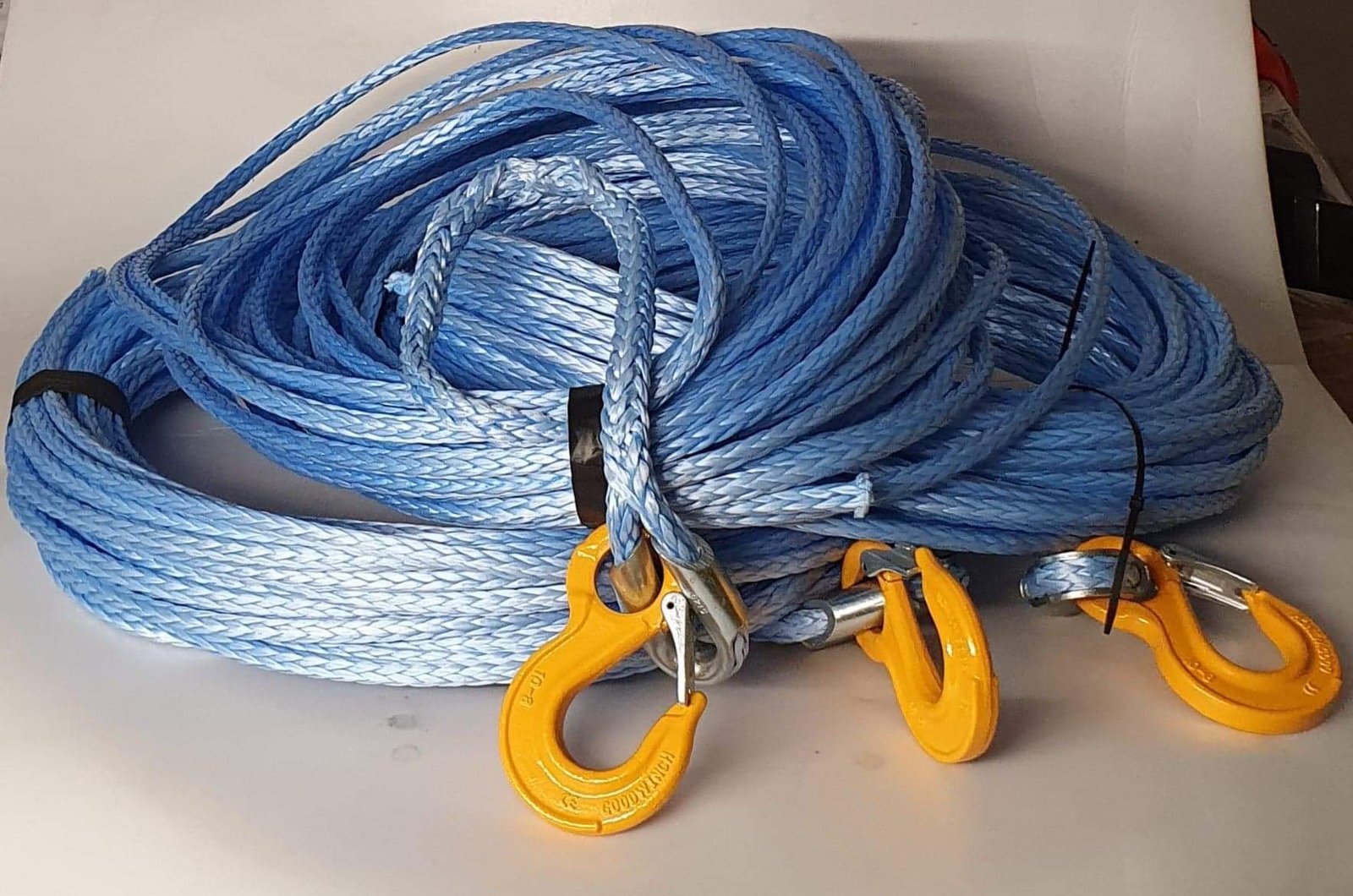
When engaging in heavy-duty recovery operations, selecting the correct winch rope is crucial. A reliable winch rope not only ensures safe recovery processes but also provides lasting performance under strenuous conditions. Understanding the different types of winch ropes available and their respective advantages can guarantee efficiency and safety in demanding environments.
Understanding Winch Rope Types
Winch ropes are primarily available in two materials: steel cable and synthetic rope. Each has unique characteristics that cater to specific needs. Steel cables have been the traditional choice due to their robustness. However, the advent of synthetic ropes has introduced flexibility and ease of use to the winching process.
Steel Cable and its Advantages
The steel cable remains an enduring favorite for many due to its durability and resistance to abrasion. It is less susceptible to fraying under normal use, which can be advantageous in rocky terrains or other abrasive conditions. Despite its weight, it offers a high tensile strength, making it a trusted choice for severe recovery tasks.
Advantages of Synthetic Rope
In contrast, synthetic ropes are significantly lighter than steel cables, reducing strain on the winch and making them easier to handle during operations. These synthetic options float on water and can absorb less energy upon failure, potentially decreasing the risk in case of a snap. Additionally, they are gentle on recovery equipment and easier to splice, providing convenience during emergency fixes.
Evaluating the Strength and Durability
When selecting winch rope, assessing its strength and durability is paramount. The expected load carrying capacity and the breaking strength of the rope must align with the operational demands. A rope with adequate strength ensures not just the efficiency of the recovery but also the safety of all involved.
Factors Affecting the Choice of Winch Rope
Several other factors should be considered when choosing winch rope. These include the environment in which the winch is utilised, potential exposure to extreme temperatures, and susceptibility to UV damage. Choosing a rope with UV resistant qualities can enhance longevity, particularly for outdoor and exposed use.
Temperature Resistance
The winch rope must withstand the operational temperatures it will be subject to. Both steel and synthetic ropes react differently to temperature extremes. Hence, knowing the temperature limits of these materials aids in selecting the most suitable rope for your specific environmental conditions.
Ease of Maintenance
Maintaining winch rope in optimal condition is essential for ensuring its longevity and reliability. Steel cables require regular lubrication to prevent rust and degradation, while synthetic ropes should be kept clean from dirt and debris that might compromise their fibres.
The Role of Diameter and Length
The diameter and length of the winch rope also play critical roles in its effectiveness. While a thicker rope might offer more strength, it also adds weight and might not fit onto smaller winch drums. Hence, it is crucial to balance the need for strength with compatibility issues relating to the winch itself.
Engaging Expert Advice
For those unsure about the right rope selection, engaging expert advice can be invaluable. Professionals in the field can provide insights into the latest innovations and most appropriate products for varied recovery scenarios.
Ultimately, whether opting for traditional steel cables or modern synthetic ropes, the decision should be informed by a comprehensive understanding of both the material and the demands of its intended use.
Conclusion
Choosing the right winch rope is a critical decision involving considerations of material type, strength, durability, and compatibility with your recovery situations. With advancements in technology and material science, present-day options provide a balance of safety, efficiency, and ease of use. By taking into account the specific needs of the operation and the characteristics of each type of rope, you ensure the best outcome in heavy-duty recovery tasks.