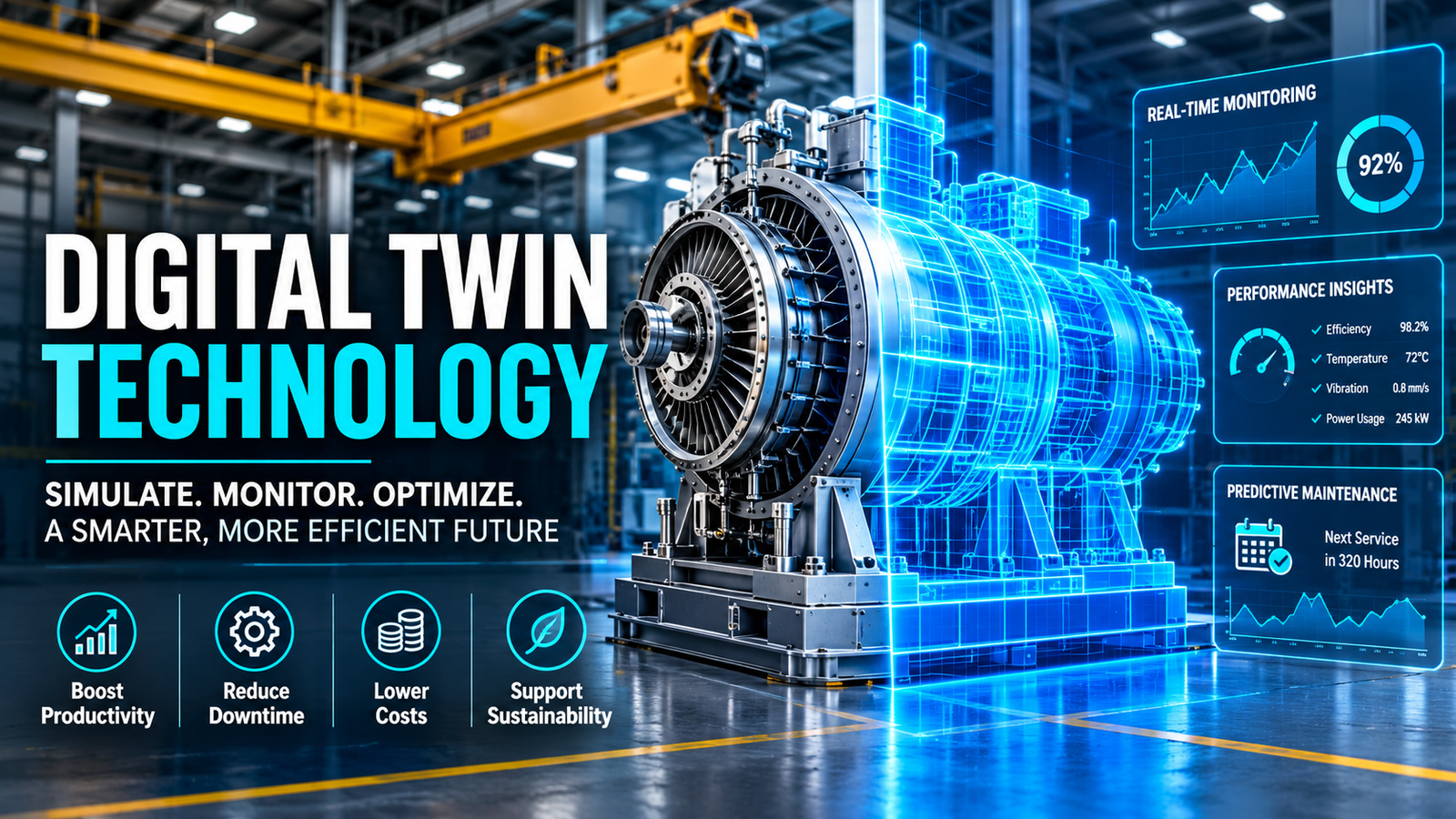
digital twin technology applications in modern industries, including manufacturing, healthcare, construction, energy, and transportation. Industries are changing rapidly as businesses look for smarter ways to manage operations, reduce costs, and improve performance. One technology helping drive this change is the digital twin. From manufacturing plants and healthcare facilities to transportation networks and energy systems, digital twins are giving organizations a new way to understand how physical assets behave in real-world conditions. Instead of relying only on traditional monitoring methods, companies can create virtual representations of machines, buildings, products, and entire systems. These digital models use real-time data to reflect the condition and performance of their physical counterparts. The Digital Twin Technology Applications in Modern Industries are becoming increasingly important because they help businesses test ideas, identify potential problems, improve decision-making, and plan maintenance more effectively. What makes this technology particularly interesting is that it connects the physical world with digital information, allowing companies to understand not only what is happening but also what might happen next.
What Is Digital Twin Technology?
Digital twin technology is the creation of a virtual representation of a physical object, process, system, or environment. This virtual model receives information from its real-world counterpart through sensors, connected devices, software platforms, and other data sources. The collected information helps the digital version reflect the physical asset’s current condition, behavior, and performance.
For example, a manufacturing company can create a digital twin of an industrial machine. Sensors installed on the machine collect information about temperature, vibration, speed, and operating conditions. That information is used to update the virtual model, helping engineers understand how the machine performs and recognize unusual behavior before it becomes a serious problem.
A digital twin is more than a simple 3D model or visual representation. Its value comes from the connection between the physical asset and continuously updated data. Depending on its design, it can also use artificial intelligence, machine learning, and simulation tools to explore different operating conditions and predict possible outcomes.
How Does Digital Twin Technology Work?
Digital twin technology works by connecting a physical asset with a digital model through a continuous or scheduled flow of information. The physical object generates data through sensors and connected systems, while the digital environment processes that information to represent its real-world condition.
The process generally begins with collecting data from the physical asset. This information may include temperature, pressure, movement, energy consumption, location, or equipment performance. The collected data is then transferred to a digital platform where software processes and organizes it.
Once the information is available, the digital twin updates its representation of the physical system. Engineers and business managers can examine performance, run simulations, and compare different operating conditions without always making changes to the actual equipment.
Some advanced systems also use artificial intelligence to identify patterns, estimate future performance, and recommend improvements. However, the level of intelligence and real-time connection depends on the specific digital twin solution.
Digital Twin Technology Applications in Modern Industries
The technology is useful across several industries because almost every sector manages physical assets, complex processes, or systems that generate valuable operational data. Here are some of its most important applications.
1. Digital Twin Technology in Manufacturing
Manufacturing is one of the most important areas where digital twins are being used. Factories depend on machines, production lines, workers, and supply systems that must operate together efficiently. A digital twin can represent individual machines or an entire production facility, allowing manufacturers to monitor performance and understand how different parts of the operation interact.
For example, a factory can create a digital representation of an automated production line. Managers can use operational data to identify slow production stages, examine equipment performance, and test possible changes before applying them to the actual facility. This can help reduce unexpected downtime, improve product quality, and make production planning more effective.
2. Digital Twins in Healthcare
Healthcare is another area where digital twin technology has promising applications. Hospitals manage complicated environments involving medical equipment, patient information, operating rooms, and staff schedules. Digital representations can help healthcare organizations understand these systems and improve resource management.
For example, a hospital may develop a digital twin of its facility to examine patient movement, equipment availability, and room utilization. This information can help administrators identify delays and improve how hospital resources are organized.
In medical research, digital models can also support the study of organs, medical devices, and physiological processes. Researchers are exploring patient-specific models that could eventually support treatment planning. However, these applications require careful clinical validation, and a digital model should not be treated as a perfect replacement for medical examination or professional judgment.
3. Digital Twin Technology in Construction and Architecture
Construction companies are using digital technologies to improve how buildings and infrastructure projects are designed, developed, and maintained. A digital twin can provide a detailed virtual representation of a building, including its structural components, electrical systems, plumbing, and other important features.
Architects and engineers can use this information to examine building designs, identify potential conflicts, and understand how different systems may work together. During construction, connected data can help project teams compare actual progress with the planned design.
After a building is completed, its digital twin can support facility management by providing information about energy consumption, equipment conditions, and maintenance requirements. This can make long-term building management more organized and efficient.
4. Digital Twins in the Automotive Industry
The automotive industry uses complex engineering and manufacturing processes, making it a strong area for digital twin applications. Vehicle manufacturers can create digital representations of cars, engines, components, and production systems to examine how they perform under different conditions.
Engineers can use simulations to evaluate vehicle aerodynamics, component durability, temperature behavior, and other performance factors. These virtual tests can help identify design weaknesses before physical prototypes are developed or tested.
Digital twins can also support vehicle maintenance. Connected vehicles may provide operational information that helps manufacturers and service teams understand component performance and identify signs of potential mechanical issues. This can contribute to more informed maintenance planning and better vehicle reliability.
5. Digital Twin Technology in Energy and Power Generation
Energy companies operate expensive equipment and infrastructure that require careful monitoring. Power plants, wind turbines, electrical networks, and other energy assets can benefit from digital representations that help operators understand their condition and performance.
For example, a digital twin of a wind turbine can use information about wind speed, temperature, vibration, and rotational performance. Engineers can examine how environmental conditions affect the turbine and identify possible maintenance needs.
Power generation companies can also use digital models to simulate different operating conditions and evaluate how equipment may respond to changes in demand. These applications can support equipment reliability, operational planning, and energy efficiency.
6. Digital Twins in Transportation and Logistics
Transportation and logistics networks involve vehicles, warehouses, roads, shipping facilities, and distribution systems. Managing all these elements can be challenging, particularly when delays or unexpected disruptions affect the movement of goods.
Digital twins can represent logistics networks and transportation infrastructure, helping organizations understand how resources move through a system. A logistics company, for example, could use a digital model of its warehouse to examine inventory movement, storage capacity, and vehicle operations.
Transportation authorities may also use digital representations of roads, bridges, railways, and traffic systems. By studying traffic patterns and infrastructure conditions, planners can explore ways to improve transportation efficiency and reduce congestion.
7. Digital Twin Applications in Agriculture
Agriculture is increasingly using connected technologies to improve resource management and crop production. Digital twins can represent farms, irrigation systems, agricultural equipment, and growing environments using information collected from sensors, satellites, weather services, and other sources.
For instance, a digital model of a farm can help farmers examine soil moisture, temperature, irrigation performance, and environmental conditions. This information can support decisions about watering schedules and resource use.
Digital twins may also help agricultural businesses evaluate different farming scenarios. Farmers can examine how changes in irrigation or environmental conditions could affect crop development. The accuracy of these models depends on the quality of the collected data and the complexity of the agricultural environment.
8. Digital Twins in Oil and Gas
The oil and gas industry operates complex facilities, pipelines, processing equipment, and offshore installations. These assets often work in challenging environments where equipment failures can create serious financial and operational consequences.
Digital twins can help energy companies monitor equipment conditions and examine how different operating conditions affect industrial systems. For example, a digital representation of a pipeline can combine information about pressure, temperature, flow rates, and equipment performance.
Engineers can use these models to investigate unusual operating patterns and plan inspections or maintenance activities. Digital simulations can also help companies evaluate potential operational changes before introducing them into real facilities.
9. Digital Twins in Smart Cities
Smart cities use connected technologies to manage urban infrastructure, transportation, utilities, and public services. Digital twins can bring information from different city systems into a shared virtual environment, giving planners a broader understanding of how urban areas operate.
A city digital twin may represent buildings, roads, public transportation networks, drainage systems, and energy infrastructure. Urban planners can use this information to examine traffic conditions, explore infrastructure projects, and evaluate possible environmental impacts.
For example, a city authority could simulate how a proposed road improvement might affect nearby traffic. Similar models can support flood planning, public infrastructure management, and long-term urban development.
10. Digital Twin Technology in Aerospace and Aviation
Aerospace companies use digital twins to support the design, testing, and maintenance of aircraft and related equipment. Aircraft contain many interconnected components that must operate within strict safety and performance requirements.
Engineers can create digital representations of aircraft engines, structural components, and other systems to study their behavior under different conditions. Simulation tools allow teams to examine performance during temperature changes, pressure variations, and demanding operating environments.
In aviation maintenance, digital twins can help teams understand equipment conditions and identify patterns that may indicate developing issues. These models can support maintenance decisions, although safety inspections and established aviation procedures remain essential.
11. Digital Twins in Retail and Supply Chain Management
Retail businesses and supply chain organizations can use digital twins to understand inventory movement, warehouse operations, and product distribution. A virtual representation of a supply chain can help managers examine how suppliers, storage facilities, transportation networks, and retail locations interact.
For example, a company could simulate how a delay at a distribution center might affect product availability at different stores. This information can help managers evaluate alternative delivery routes, inventory levels, and distribution strategies.
Digital twins can also support warehouse planning by helping businesses understand storage capacity, product movement, and equipment utilization. The result can be better operational visibility and more informed planning.
Key Benefits of Digital Twin Technology
Digital twin technology offers several practical benefits when it is implemented with reliable data and clear business objectives.
Improved Operational Efficiency
Digital twins help organizations understand how equipment and processes perform. By identifying inefficient activities and examining different operating scenarios, businesses can make informed changes that improve productivity and resource utilization.
Predictive Maintenance
Traditional maintenance often follows fixed schedules or responds to equipment failures. Digital twins can use real-time or historical performance data to identify unusual patterns and estimate when maintenance may be needed. This can help organizations reduce unexpected downtime and avoid unnecessary maintenance work.
Reduced Development Costs
Virtual simulations allow engineers to examine designs and test different conditions before building physical prototypes or changing actual systems. This can reduce some testing expenses and help identify problems earlier in the development process.
Better Decision-Making
Managers often need to make decisions using information collected from different departments and systems. Digital twins can bring relevant data into one digital environment, making it easier to understand operational conditions and compare possible solutions.
Improved Product Quality
Manufacturers can use digital models to examine production processes, component performance, and product behavior. Identifying potential problems earlier can help reduce defects and improve consistency.
Greater Safety
Digital simulations can help organizations examine potentially dangerous operating conditions without exposing workers or equipment to unnecessary risks. They can also support training by allowing employees to understand complex systems in a controlled virtual environment.
Technologies That Make Digital Twins Possible
Digital twins rely on several technologies working together. Each one contributes to collecting, processing, analyzing, or displaying information.
Internet of Things (IoT)
Internet of Things devices and sensors collect information from physical equipment and environments. They provide important data about temperature, pressure, vibration, movement, and other operating conditions.
Artificial Intelligence and Machine Learning
Artificial intelligence and machine learning can analyze large amounts of operational data. These technologies may help digital twins recognize patterns, detect unusual behavior, and estimate future performance.
Cloud Computing
Cloud platforms provide computing power and storage for digital twin systems. They allow organizations to manage large datasets and access information across different locations.
3D Modeling and Simulation
Three-dimensional modeling helps create digital representations of physical objects and environments. Simulation software allows engineers to examine how these models may behave under different conditions.
Big Data Analytics
Digital twin systems can generate and process large volumes of information. Data analytics tools help convert that information into useful insights that support planning and operational decisions.
Challenges of Implementing Digital Twin Technology
Although digital twins offer significant opportunities, implementing them is not always simple. Businesses need to consider several practical challenges before investing in this technology.
High Initial Investment
Developing a digital twin may require sensors, software platforms, computing infrastructure, specialist employees, and integration with existing systems. These costs can be difficult for smaller organizations to manage.
Data Security and Privacy
Digital twins may process sensitive business information, equipment data, and operational records. If these systems are not properly protected, organizations may face cybersecurity and data privacy risks.
Integration With Existing Systems
Many companies already use older machines, databases, and software platforms. Connecting these systems to a modern digital twin environment can require additional development and technical expertise.
Data Accuracy and Reliability
A digital twin is only as useful as the information supporting it. Incomplete, outdated, or inaccurate data can produce misleading results and affect business decisions.
Lack of Skilled Professionals
Building and maintaining digital twin systems requires knowledge of engineering, data analytics, software development, IoT, and cybersecurity. Finding professionals with the right combination of skills can be challenging.
Digital Twin vs. Traditional Simulation: What Is the Difference?
Digital twins and traditional simulations are related, but they are not exactly the same. Traditional simulations generally use predefined information and assumptions to examine how a system might behave under specific conditions.
A digital twin goes further by connecting a digital model to a physical asset through real-world data. This connection allows the model to reflect changing operating conditions and provide ongoing insights.
For example, a traditional simulation might examine how a machine performs at a particular temperature. A digital twin can receive updated temperature and vibration information from the actual machine and use it to represent its current condition.
In simple terms, simulation is often used to test possible scenarios, while a digital twin can combine simulation with continuous or periodic information from a real-world asset.
The Future of Digital Twin Technology in Modern Industries
The future of digital twin technology is closely connected to developments in artificial intelligence, IoT, cloud computing, and advanced data analytics. As these technologies improve, digital twins may become more detailed, accessible, and useful across different industries.
One important development is the growing connection between digital twins and AI-powered analytics. These systems may become better at identifying operational patterns, estimating equipment problems, and supporting more informed decisions.
Another area of growth is the development of larger digital twins that represent entire factories, transportation networks, energy systems, or urban environments. Instead of studying individual machines separately, organizations may increasingly examine how complete systems interact.
Digital twins may also become more accessible to small and medium-sized businesses as software platforms and connected devices become easier to implement. However, widespread adoption will depend on affordability, data quality, security, and the availability of technical expertise.
Conclusion
Digital twin technology is changing how modern industries understand, monitor, and manage physical systems. From manufacturing and healthcare to construction, agriculture, transportation, and energy, its applications offer new opportunities to improve efficiency and make better decisions. By connecting physical assets with data-driven digital models, businesses can examine performance, test potential improvements, and identify problems before they create major disruptions.
However, successful implementation requires more than advanced software. Organizations need accurate data, reliable infrastructure, strong cybersecurity, and clear goals. As connected technologies and artificial intelligence continue to develop, digital twins are likely to become an increasingly important part of industrial operations and digital transformation.
Frequently Asked Questions (FAQs)
1. What is digital twin technology used for?
Digital twin technology is used to create virtual representations of physical assets, processes, and systems. Businesses use it to monitor performance, simulate different conditions, improve maintenance, and make better operational decisions.
2. Which industries use digital twin technology?
Manufacturing, healthcare, construction, automotive, aerospace, agriculture, energy, transportation, oil and gas, and smart city development are among the industries using digital twin technology.
3. How does digital twin technology improve manufacturing?
It helps manufacturers monitor machinery, identify production problems, simulate manufacturing processes, improve product quality, and plan maintenance before equipment failures occur.
4. What technologies are used in digital twins?
Digital twins commonly use Internet of Things (IoT) sensors, artificial intelligence, machine learning, cloud computing, 3D modeling, simulation software, and big data analytics.
5. What are the main benefits of digital twin technology?
The main benefits include improved operational efficiency, predictive maintenance, reduced development costs, better decision-making, improved product quality, and greater workplace safety.
Read also: Laptop Fan Running Constantly With No Programs Open