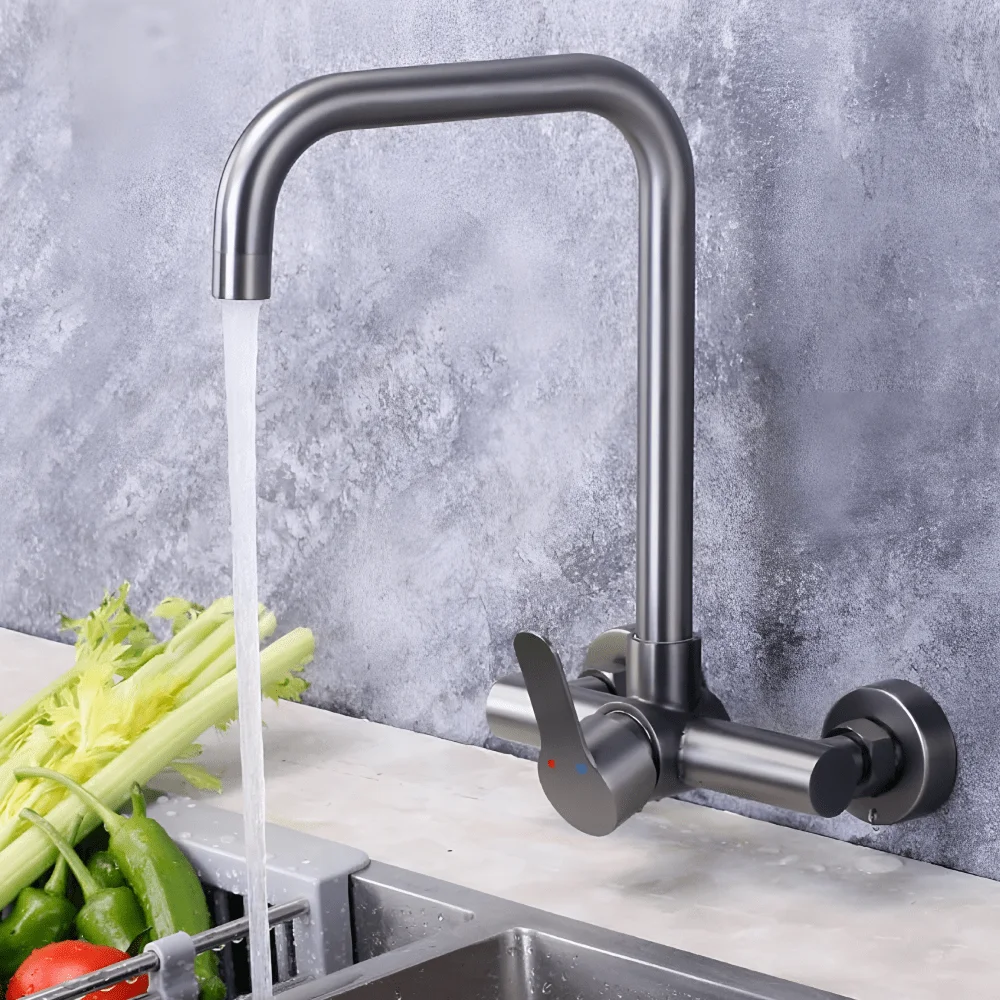
When designing or refurbishing a kitchen, choosing the right kitchen sink taps is a pivotal decision. The tapware not only enhances the kitchen’s aesthetic but also plays a crucial role in its functionality. Selecting a suitable tap involves balancing style, material, and technological innovation, among other factors.
Understanding Different Styles
Kitchen sink taps have evolved significantly, offering various styles to match diverse kitchen designs. From traditional bridge taps that exude a classical charm to sleek modern mixers with minimalist appeal, the choice is vast. Design experts often recommend considering the overall theme of the kitchen. For instance, rustic kitchens pair well with copper or bronze taps, whereas contemporary kitchens may benefit from stainless steel or matte black finishes.
Material Choices Matter
The material of the tap is not only crucial for aesthetic reasons but also for durability and maintenance. Stainless steel and chrome remain popular due to their resistance to wear and their ability to blend smoothly with multiple design themes. For those looking for something extra, brass and brushed nickel offer unique finishes that present a sophisticated look often sought in luxurious settings.
Embracing Technological Advancements
The realm of kitchen sink taps has witnessed remarkable technological advancements. Touchless and sensor-activated taps are becoming commonplace, offering convenience and hygiene. These innovations are particularly beneficial in busy kitchens where maintaining cleanliness is paramount. Additionally, integrated features such as pull-out sprays and adjustable flow rates add to the functionality, providing flexibility for various kitchen tasks.
Finding the Right Fit
Ensuring the tap fits well with the sink and overall kitchen setup is crucial. Before selecting, one should measure the sink area and make sure there is enough space for the full range of motion. Some taps are designed for specific sink types, whether single or double basins, so it is essential to consider compatibility to avoid any subsequent inconvenience.
Consider Water Efficiency
With increasing emphasis on sustainability, water-efficient taps have gained popularity. Look for taps that are rated for water conservation as they can significantly reduce household water usage, contributing financially and environmentally. Moreover, implementing such eco-friendly installations might align with broader green building certifications or personal ecological initiatives.
Adding a Splash of Colour
While chrome and stainless steel are enduring favourites, coloured kitchen taps are making a splash in modern kitchen designs. These taps offer exciting opportunities to introduce a pop of colour, complement the kitchen palette, or even act as a statement piece. Contemporary kitchens utilise these coloured fixtures to enhance a unique stylistic element, whether in subdued pastels or bold hues.
Budget Considerations
The vast array of kitchen sink taps comes with an equally broad range of prices. Setting a budget before beginning the selection process can help narrow down choices, making it easier to find options that provide the best value without compromising on quality or design. High-end materials and features will naturally command higher prices, but there are quality options available at every price point.
Professional Installation
Although tempting to undertake a DIY project, the installation of kitchen sink taps often requires a professional touch. Ensuring secure and correct fittings is essential to prevent leaks and potential water damage. Professional plumbers offer valuable insights into the most efficient setup based on the plumbing and kitchen layout.
Maintenance Requirements
Understanding the maintenance needs of various tap types can influence the decision-making process. Ease of cleaning and resistance to limescale are important considerations for those valuing low-maintenance solutions. Some taps come with self-cleaning features or protective coatings that simplify upkeep, which may be beneficial in hard water areas.
Customisation Options
The growing trend towards personalisation has reached kitchen sink taps, with custom options allowing individuals to design taps that perfectly fit their aesthetic and functional requirements. Customisation might include bespoke finishes, unique handle designs, or tailored functionalities that align perfectly with personal preferences.
Heeding Expert Advice
Seeking expert advice when overwhelmed by the myriad choices available can streamline the selection process. Professionals offer informed opinions and often highlight features that might not be immediately apparent, helping homeowners make well-rounded decisions that enhance both kitchen functionality and aesthetics.
Evaluating Brand Reputation
Considering brand reputation when choosing kitchen sink taps can provide insights into product longevity and customer service. Established brands often carry a proven track record of quality and innovation, offering warranties and support that new entrants may not match.
Accessorising for Flair
Accessorising taps with compatible spouts and handles can further elevate a kitchen’s style. These additional elements allow homeowners to refine their design, adding individuality and custom flair. Coordinated accessories contribute to a unified appearance, enhancing the kitchen’s overall aesthetic.
Future Trends to Watch
Keeping an eye on emerging trends is beneficial for those looking to modernise their kitchens in the future. Innovations in materials, design, and technology continue to shape the market, offering exciting opportunities to integrate cutting-edge features that enhance convenience and style.
Conclusion
Choosing the perfect kitchen sink taps involves careful consideration of style, material, technology, and budget. With numerous options available, homeowners can find the ideal tapware that complements their kitchen’s design while meeting functional needs. Kitchen sink taps serve as vital components that harmonise both utility and beauty in the culinary environment.