The incorporation of a wind proof paving system is essential for modern architecture, particularly in regions prone to extreme weather conditions. This innovative approach to paving offers durability and stability, ensuring that outdoor areas remain intact and functional despite harsh winds.
One of the significant advantages of wind proof paving systems is their ability to withstand adverse weather, protecting structures and landscapes from potential damage. As outdoor spaces have become extensions of living areas, the need for robust paving solutions has grown, emphasising the role of stability and safety.
Understanding Wind Proof Paving Systems
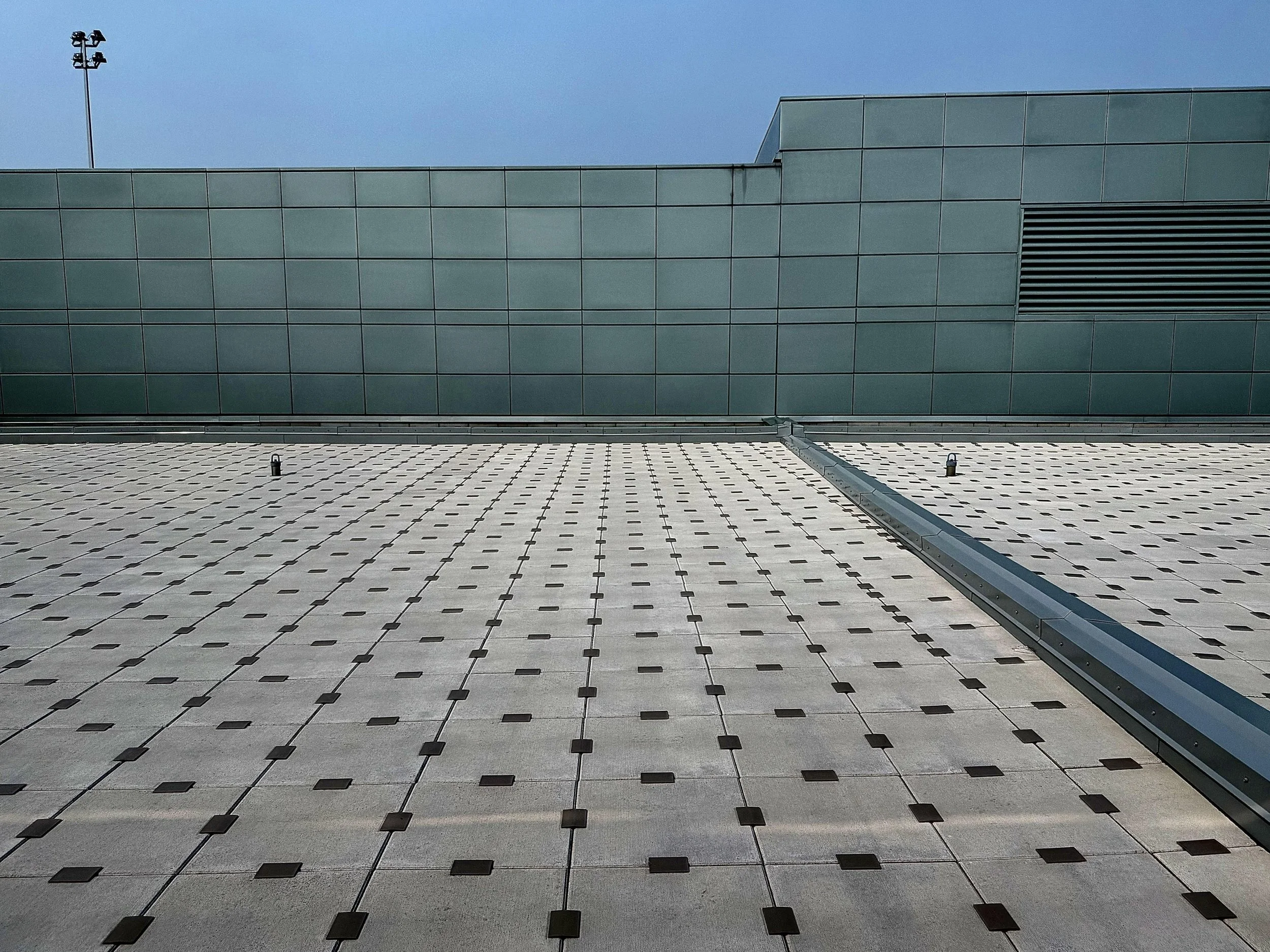
Wind proof paving systems are designed to provide a secure base for paving stones, preventing dislocation or damage during high winds. These systems often feature interlocking designs or secure anchorage methods, ensuring that each stone remains in place, regardless of external conditions.
The materials used in these systems are crucial. Typically, they are composed of high-strength, weather-resistant materials that not only contribute to the longevity of the paving but also to its aesthetic appeal. As a result, these systems offer both functional and decorative benefits for outdoor spaces.
Applications in Various Settings
Wind proof paving systems are versatile and can be applied in a variety of settings, including residential, commercial, and public projects. In urban environments, they provide the robust infrastructure required to maintain pathways, plazas, and patios, contributing to the overall resilience of the built environment.
Residential properties benefit significantly from these systems, ensuring that driveways and garden paths remain unaffected by extreme weather events. This practicality helps homeowners maintain the beauty and functionality of their outdoor spaces year-round.
Key Features and Benefits
One of the stand-out features of wind proof paving systems is their adaptability. They can be tailored to fit different environmental conditions and architectural styles, making them a suitable choice for a wide range of projects. Moreover, they are designed to distribute weight evenly, preventing sinking and shifting—a common issue with traditional paving methods.
Beyond their physical attributes, these systems contribute to eco-friendly construction practices. Many wind proof paving solutions incorporate sustainable materials and methods, aligning with increasing environmental concerns in construction.
Installation Considerations
The installation of a wind proof paving system requires careful planning and execution to ensure maximum effectiveness. Professionals often conduct thorough site assessments to understand the prevailing wind conditions and any other environmental factors that might impact installation.
Once the site is assessed, the choice of materials is tailored to complement the local climate and environmental specifications. Correct installation ensures that the paving system will perform optimally over its lifespan.
Maintenance and Longevity
Another benefit of wind proof paving systems is their low maintenance requirements. Unlike traditional pavement solutions which may require frequent repairs, wind proof systems are designed to minimise upkeep, saving time and costs for property owners.
Regular inspections can help ensure that the pavers remain secure and functional, but generally, these systems are built to withstand significant stress without degrading.
The Future of Outdoor Paving Solutions
As architectural design evolves, so too does the demand for innovative materials and systems. Wind proof paving solutions represent the future of resilient outdoor spaces, addressing climate challenges with skill and foresight.
By focusing on stability, sustainability, and aesthetic integration, these systems pave the way for next-generation infrastructure that meets the needs of contemporary lifestyles. Their contribution to structural integrity and environmental responsibility underscores their importance in future construction endeavors.